Welcome to the Barn Owl Learning Center

Since our founding in 2017, Barn Owl has become a leader in providing security, real-time insight, operational efficiency and peace of mind across rural America. Our team of experts has build an in-depth knowledge base designed to answer your questions across industries and challenges. Browse our content below by key topic or by blog post date.

Key Topics Users Find Most Helpful

Barn Owl Blog

Barn Owl's team of experts have amassed decades of insights and knowledge into a series of helpful articles. Browse the latest news and posts below, including by topic tag.

Long Range Wireless Cameras for Outdoor Use

Barn Owl Blog

Long Range Wireless Cameras for Outdoor Use

by on Jul 01 2025
In the vast expanse of rural properties, security is a top concern. Long range wireless cameras offer a solution. They provide a watchful eye over large areas, ensuring safety and peace of mind. These cameras are not just about security. They enhance productivity by allowing remote monitoring of operations. This means you can keep an eye on your property from anywhere. Long range wireless cameras eliminate the need for extensive wiring. This reduces installation costs and makes them ideal for rural settings. They are designed to withstand harsh outdoor conditions, ensuring durability. With high-resolution video quality, these cameras capture clear and detailed footage. Many models also offer night vision capabilities, crucial for 24/7 monitoring. This ensures you never miss a thing, day or night. Wireless connectivity allows for remote access via smartphones or computers. This means you can monitor your property in real-time, no matter where you are. It’s a game-changer for busy agriculture business owners. These cameras can integrate with existing security systems through application programming interfacing (API). This provides comprehensive coverage and enhances overall security. They are scalable, allowing for expansion as your business grows. Investing in long range wireless cameras is a smart move. They offer a cost-effective solution for large-scale surveillance needs. Secure your property and boost productivity with this advanced technology. Why Long Range Wireless Cameras Matter for Agriculture and Rural Businesses For agricultural and rural businesses, security challenges are unique. Vast landscapes require a different approach. Long range wireless cameras fit perfectly into this scenario. These cameras help protect your investments. By watching over livestock, equipment, and crops, they reduce risks. This proactive surveillance prevents potential losses from theft or damage. Security isn't the only benefit. Monitoring operations remotely can streamline decision-making. Long range cameras offer real-time data, enabling immediate action when necessary. Cost-effectiveness is another advantage. Traditional wired systems can be expensive to install over large areas. Long range wireless solutions cut costs by eliminating the need for extensive cabling. Key Advantages of Long Range Wireless Cameras: Cover large distances with minimal infrastructure. Provide high-quality images and video, even at night. Allow remote access to footage from any internet-connected device. Weather resilience is also crucial. These cameras are robust, built to withstand outdoor conditions like wind, rain, and dust. Their durability assures you of continued surveillance, regardless of the elements. Integrating these cameras into existing systems can enhance overall security. They work well with other technologies to provide a complete security solution. This integration ensures all areas are monitored efficiently. Overall, long range wireless cameras provide peace of mind. They enable business owners to focus on growth and productivity, knowing their assets are protected. For rural businesses, this means not just security, but a boost in operational efficiency. Key Features of Long Range Wireless Cameras Long range wireless cameras offer robust features tailored for rural and agricultural settings. These features optimize both security and productivity in challenging environments. One standout feature is their incredible range. Some models can transmit signals over several miles. This capability makes them ideal for monitoring expansive agricultural properties. High-resolution video quality is another crucial aspect. Clear and detailed images ensure nothing goes unnoticed. Advanced models even provide crystal-clear footage in low-light conditions. Essential Features Include: Night Vision: Vital for 24/7 monitoring, allowing visibility in complete darkness. Remote Access: View live footage from smartphones or PCs anywhere, anytime. Durability in harsh conditions is also key. These cameras are designed to withstand rain, wind, and extreme temperatures. Such resilience ensures long-term performance without frequent maintenance. Integration capabilities set these cameras apart. They seamlessly connect with existing systems. This feature supports a comprehensive and unified security solution. Additional Features Often Found: Motion detection alerts you to unexpected movements or intrusions. In addition, varying power options enhance camera versatility. Some models support solar power, making them ideal for remote areas without electricity. This independence from grid power is essential for off-grid farms. Data security is a paramount feature. Long range wireless cameras often include encrypted data transmission. This feature prevents unauthorized access to your video feeds. Lastly, ease of installation is worth mentioning. These cameras do not require extensive cabling. Their wireless nature reduces installation time and costs, simplifying the setup process. In summary, the key features of long range wireless cameras cater specifically to the needs of rural and agricultural environments. They ensure robust, dependable, and versatile security monitoring, catering to diverse operational needs. How Long Range Wireless Cameras Work: Technology Explained Simply Understanding the technology behind long range wireless cameras can simplify your decision-making. These cameras utilize advanced wireless communication to transmit video footage over vast distances, without the need for extensive wiring. At the heart of these systems is cellular connection. It sends video data from the camera to a receiver. This transmission happens over cellular networks, allowing signals to travel long distances effectively. Key Technology Features: Wi-Fi/Cellular Connectivity: Connects cameras to local networks for seamless integration. Radio Frequency Transmission: Facilitates long-range data communication. Data Compression: Optimizes video quality while minimizing bandwidth usage. Another vital component is the receiver. It processes the incoming data, converting it into viewable video on a monitoring device. This real-time processing ensures you can respond swiftly to any situation. Many cameras incorporate data encryption. This feature secures the video feed, preventing unauthorized access. The encrypted data is only accessible to you, ensuring privacy and security. The technology also supports remote access. Using internet connectivity, you can monitor your cameras from anywhere. This capability lets you keep an eye on your property from afar. Lastly, these cameras often include built-in software for managing footage. This software makes it easy to review and store video, providing you with a comprehensive surveillance solution. Top Benefits for Agricultural and Commercial Properties Long range wireless cameras offer a multitude of benefits for agricultural and commercial operations. They provide a practical solution to enhance security and efficiency, especially for large properties. Firstly, these cameras cover expansive areas. This capability makes them ideal for monitoring vast rural properties or large commercial spaces. They ensure comprehensive surveillance with fewer units required. These cameras also feature night vision technology. This feature is crucial for 24/7 security, allowing you to see clearly in the dark. It's an essential aspect for safeguarding assets around the clock. Key Benefits Include: Scalability: Easily expand your surveillance as your needs grow. Remote Monitoring: Stay connected to your property from anywhere. Another advantage is cost-effectiveness. By eliminating the need for extensive cabling, these cameras reduce installation and maintenance costs significantly. This aspect is advantageous for budget-conscious operations. They are also built to withstand harsh outdoor environments. Designed with weather-resistant materials, these cameras operate reliably in varying conditions, ensuring longevity and durability. Moreover, their real-time alert systems enhance security measures. You receive immediate notifications of unusual activities, enabling rapid responses to potential threats. Additional Benefits: Data Security: Encrypted transmission protects your video feeds. Versatility: Use them for various applications, from livestock monitoring to perimeter security. Finally, integration with existing security infrastructures is straightforward. This flexibility allows you to enhance your current systems without overhauling the entire setup. Investing in long range wireless cameras translates to peace of mind and operational success. Choosing the Best Long Range Wireless Camera: What to Look For Selecting the right long range wireless camera involves considering multiple factors. Begin by assessing the coverage area needed for your property. Ensure the camera's range matches your surveillance requirements. Next, focus on video quality. High-resolution cameras provide clearer images, which are essential for identifying details and tracking movements effectively. Aim for cameras that offer at least 1080p resolution for optimal clarity. Important Features to Consider: Night Vision: Offers visibility in low-light conditions. Weather Resistance: Ensures durability in outdoor environments. In addition, evaluate the connectivity options. Many cameras support Wi-Fi, but cellular connected cameras provide extended range features that are available for vast properties. Strong connectivity guarantees consistent and reliable video feeds. Another crucial factor is power supply options. Look for cameras that support diverse power sources such as solar power or long-lasting batteries. This flexibility is particularly beneficial for remote areas with limited access to electricity. It's also wise to consider the camera's installation process. Opt for models that are easy to install and maintain, reducing the downtime and complexity involved. Many systems offer plug-and-play features for seamless setup. Consider These Additional Aspects: Storage Solutions: Cloud vs. local storage for video recordings. Integration Capabilities: Compatibility with existing security systems. Finally, ensure the camera offers remote access and control via mobile apps or computers. This capability allows you to monitor your property from anywhere, enhancing the overall security strategy. By focusing on these factors, you can make an informed choice that suits your unique needs and offers reliable performance. Popular Use Cases: Real-World Applications in Agriculture Long range wireless cameras have transformed agricultural operations, providing critical oversight and management capabilities. Their applications are vast and diverse, tailoring to various needs across the sector. One notable application is monitoring livestock. Cameras help track movement and health, ensuring timely intervention when issues arise - especially during calving season. This remote monitoring can prevent potential problems and improve animal welfare. Another significant use is field surveillance. Cameras are strategically placed to monitor crop health, alerting you to changes that indicate disease or damage. This proactive approach aids in maximizing yield and ensuring crop quality. Real-World Applications Include: Equipment Monitoring: Protects valuable machinery from theft or misuse. Water Resource Management: Observes irrigation systems and stock tanks to avoid water wastage and alert low water levels. Perimeter Security: Deters intruders and safeguards premises. Long range cameras also play a role in monitoring weather conditions. By offering visual data on the horizon, they help predict adverse weather, allowing time for protective measures. Beyond security, these cameras contribute to improving productivity. They enable remote oversight, allowing management teams to make informed decisions without being physically present. This efficiency streamlines operations, reduces costs, and promotes effective management. In sum, long range wireless cameras provide versatile solutions that cater to various agricultural needs, thereby enhancing both security and operational outcomes. Installation and Maintenance Tips for Rural Environments Installing long range wireless cameras in rural settings requires strategic planning. These installations must withstand harsh conditions while maintaining optimal functionality. Ensuring a successful setup starts with choosing robust equipment designed for outdoor use. Prioritize positioning. Place cameras at heights and angles that maximize field of view, yet remain unobstructed by foliage or buildings. This strategic placement ensures comprehensive coverage of your property. Key Tips for Setup and Maintenance: Choose Solar Power Options: Ideal for remote locations without reliable electricity access. Regularly Clean Lenses: Dust and debris can obscure the view. Check Signal Strength: Ensure robust Wi-Fi or cellular connectivity to avoid interruptions. Routine maintenance is equally important. Regular inspections of the mounts and enclosures prevent weather-related wear and tear. This proactive approach extends the life of your equipment. Integrating a maintenance schedule can prevent unexpected failures. Simple tasks like updating firmware and testing signals ensure the system remains up-to-date and functional. Following these tips can safeguard your investment, providing continuous security and monitoring in rural environments. Making the Right Choice: Steps to Secure Your Property Making an informed decision about security cameras is crucial. Begin by assessing your property’s unique needs. Consider the layout and size of the area. Larger properties may require longer-range cameras. Smaller areas can make do with shorter ranges. Evaluate the environment where cameras will be placed. Opt for weather-resistant models in areas prone to harsh conditions. Look for features that align with your security objectives. Consider options like night vision, motion detection, and remote access. Steps to Choosing the Right Camera: Determine range requirements based on property size. Assess environmental factors, such as weather conditions. Identify key features needed for your specific situation. Evaluate connectivity options, including Wi-Fi/cellular signal and solar power. Consider integration with existing security systems. Finally, consult with security specialists if needed. Their insights can help tailor solutions to fit your requirements precisely. This approach ensures your property is both secure and efficient. Barn Owl Cameras  are purpose-built for the demands of rural and agricultural life. Our long-range, wireless, and solar-capable cameras deliver crystal-clear images, reliable night vision, and real-time alerts—all without the hassle of extensive wiring. With Barn Owl, you can monitor livestock, equipment, and property remotely through our easy-to-use app, no matter how far off the grid you are. Plus, our cameras integrate seamlessly into existing systems with the use of API and are rugged enough to endure the toughest outdoor conditions. Whether you're watching over one pasture or hundreds of acres, Barn Owl gives you the visibility and peace of mind to focus on running your operation. Conclusion: Invest in Peace of Mind and Productivity Long range wireless cameras are a smart investment for agricultural and rural businesses. They provide both security and operational insights. By adopting these advanced systems, you ensure constant monitoring and responsiveness. Protect your assets while enhancing your farm's productivity. The right choice in surveillance guarantees peace of mind and boosts efficiency. Make the move today and secure your property's future. Up next: Enhancing Farm Security with Surveillance Technology
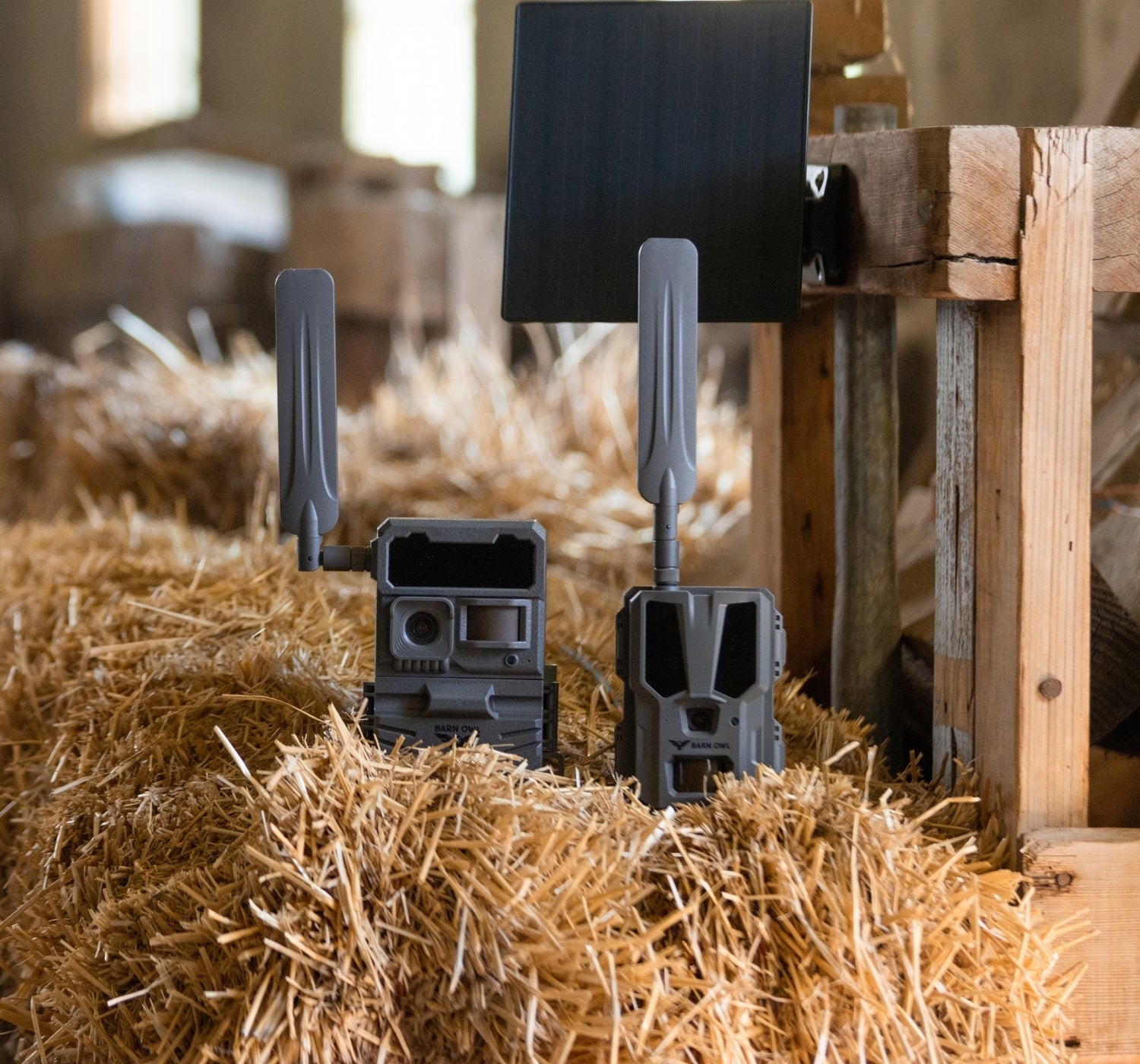
Best Uses for Wireless Mini Spy Cameras

Barn Owl Blog

Best Uses for Wireless Mini Spy Cameras

by on Jul 01 2025
In today's fast-paced world, security is a top priority for agriculture business owners. Protecting vast rural properties can be challenging. Wireless mini spy cameras offer a practical solution. These compact devices provide discreet monitoring capabilities. They are easy to install and versatile. With features like night vision and audio recording, they enhance security in various settings. Wireless mini spy cameras are not just for security. They also help improve operational productivity. By monitoring livestock, equipment, and property boundaries, they offer valuable insights. These cameras are cost-effective and require minimal infrastructure. They integrate seamlessly with mobile apps for real-time alerts. This makes them ideal for remote monitoring. Choosing the right camera can be daunting. Understanding their features and benefits is crucial. This guide will explore the best uses for wireless mini spy cameras. Discover how these innovative tools can safeguard your business. Enhance security and efficiency with the right technology. Let's delve into the world of wireless mini spy cameras. What Are Wireless Mini Spy Cameras? Wireless mini spy cameras are tiny yet powerful devices designed for discreet surveillance. They offer unique features that traditional security systems might lack, making them ideal for covert monitoring. These cameras operate wirelessly, eliminating the need for extensive cabling. This feature allows easy installation and relocation. Their compact size enables placement in almost any location, from barns to offices. Most models are equipped with several advanced capabilities, enhancing their utility. Common features include night vision, audio recording, and motion detection. These additions ensure effective monitoring regardless of lighting conditions or environmental noise. Here's a quick overview of what these cameras typically offer: High-resolution video capture for clear footage. Wireless connectivity for flexible placement. Built-in audio recording to capture sound. Night vision for low-light environments. Motion detection to alert unusual activity. Wireless mini spy cameras provide an efficient solution for real-time property oversight. Their compact design and advanced features make them invaluable tools for agriculture business owners seeking enhanced security. Key Features of the Smallest Spy Cameras The smallest spy cameras are packed with technology despite their tiny size. Their design caters to discreet surveillance needs without compromising functionality. Compact size ensures versatility, allowing these cameras to be hidden in plain sight. One key feature is their wireless capability. This means less hassle during installation and more freedom in choosing placement. No need for obtrusive wires makes them an excellent choice for low-profile monitoring. Many models offer high-resolution video quality. This ensures that captured footage remains sharp and detailed. Additionally, night vision capabilities allow for monitoring even in low-light settings, vital for around-the-clock security. These spy cameras often include motion detection technology. This feature allows the cameras to start recording upon sensing movement. It provides prompt alerts for real-time action, boosting security efficiency. Here are some notable features of the smallest spy cameras: Wireless operation for ease of installation. High-quality video resolution for clear footage. Night vision for effective low-light surveillance. Motion detection for prompt activity alerts. Audio recording capabilities for comprehensive monitoring. Ultimately, the smallest spy cameras blend innovative features into a compact form. They are perfect for those in agriculture seeking effective solutions without bulky equipment. Top Benefits for Agriculture Business Owners Wireless mini spy cameras offer several advantages for agriculture business owners. Their compact design and high-tech features make them ideal for managing vast rural properties. These cameras simplify monitoring without an extensive infrastructure. One major benefit is enhanced security. They provide discreet surveillance of livestock, equipment, and property boundaries. This helps deter theft and vandalism, providing peace of mind and potential evidence for authorities. Another significant advantage is operational efficiency. These cameras allow real-time monitoring via mobile apps. Business owners can make quick decisions based on timely alerts, improving overall productivity and safety. Energy efficiency is also a plus. Wireless models often use batteries or solar power, reducing energy costs and environmental impact. This is crucial for businesses looking to maintain sustainable operations. Here are some notable benefits for agriculture business owners: Discreet monitoring to safeguard livestock and equipment. Real-time alerts to boost operational efficiency. Cost-effective and energy-efficient solutions. Easy installation without extensive infrastructure. Ability to monitor remote areas where traditional systems fail. Overall, wireless mini spy cameras equip agriculture business owners with vital tools. They enhance security and productivity in both rural and commercial settings. Best Applications in Rural and Commercial Settings Wireless mini spy cameras are versatile, fitting seamlessly into diverse environments. Their applications extend beyond simple surveillance, offering tailored solutions in both rural and commercial settings. In rural settings, these cameras are invaluable for monitoring livestock. Farmers can oversee animal behavior and movements remotely, addressing issues like health monitoring or potential predator threats effectively. Moreover, they play a crucial role in securing equipment and tools. Farm machinery often represents a significant investment, and these cameras ensure these assets remain safe from theft or misuse. In commercial settings, wireless mini spy cameras offer substantial support. Store owners can discreetly monitor customer interactions, improving service quality. They help in analyzing customer behavior patterns and spotting potential security concerns. Within offices, these devices can enhance monitoring of sensitive areas. They help protect intellectual property, ensuring that confidential information remains secure from unauthorized access. Key areas of application include: Livestock monitoring for health and safety. Equipment and machinery protection. Enhancing customer service in retail. For commercial properties, specific uses extend further. They are effective for inventory management, assisting in preventing unauthorized access to storage areas. When paired with audio capabilities, these cameras capture conversations, adding context to visual recordings. These versatile cameras offer flexible solutions, meeting diverse security needs. Their wide range of applications makes them indispensable for modern agriculture and business operations. How to Choose the Best Hidden Camera for Your Needs Choosing the right hidden camera requires careful consideration. Each feature can impact effectiveness, depending on your specific security needs. First, assess the camera's size and placement flexibility. Opt for a model that allows for easy concealment, ensuring that it remains unnoticed in its environment. Resolution is another crucial factor. High-definition cameras deliver clear images, essential for identifying details in security footage. This is particularly important in both indoor and outdoor settings. Moreover, evaluate the camera's connectivity options. Wireless capabilities offer greater flexibility, eliminating the hassle of extensive wiring. Additionally, consider whether remote access and mobile integration options are available. Key factors to consider include: Camera size and concealment options. High-definition resolution for clear footage. Wireless connectivity for ease of setup. Remote access and mobile integration. Lastly, don't overlook additional features like night vision or audio recording. These can significantly enhance surveillance effectiveness in varied lighting and sound conditions. By balancing these features, you can select a hidden camera tailored to your specific needs, providing robust security coverage. For remote property owners looking for a reliable, professional-grade solution, Barn Owl Cameras  stand out from typical mini spy cameras. Designed for rural environments, Barn Owl’s wireless, cellular-connected cameras deliver discreet, real-time surveillance—even in areas without Wi-Fi. With features like motion detection, night vision, and instant mobile alerts, these cameras provide powerful monitoring for livestock, equipment, and remote property. Easy to install and built to withstand the elements, Barn Owl Cameras help you stay connected to your land no matter where you are—enhancing both security and operational control. Installation Tips and Best Practices Proper installation of mini spy cameras ensures optimal performance and effectiveness. It's crucial to position your cameras strategically for the best coverage. Start by identifying key areas that require surveillance. These include entrances, livestock areas, and equipment storage. Mount cameras at a height to capture clear images while remaining discreet. Consider these practices to streamline your installation process: Use camera mounts for stability and adjustability. Ensure clear lines of sight without obstructions. Test wireless connectivity and camera angles post-installation. Regular maintenance checks are essential. Periodically clean lenses and check battery levels or power sources. Adjust camera positions as needed to address evolving security needs. Implementing these tips will help maintain a secure environment. It maximizes the effectiveness of your wireless mini spy cameras. Legal and Ethical Considerations Using wireless mini spy cameras comes with legal responsibilities. It's important to comply with privacy laws in your area. Always respect the privacy rights of individuals on your property. Consider these key points: Ensure surveillance areas are clearly marked when necessary. Avoid recording in private areas like bathrooms or changing rooms. Inform employees about surveillance to respect their rights. Being informed about the legal landscape helps avoid potential lawsuits. By adhering to these guidelines, you will foster trust and maintain ethical use of surveillance. Conclusion: Enhance Security and Productivity with Wireless Mini Spy Cameras Incorporating wireless mini spy cameras into your security plan can significantly improve safety and efficiency. These compact devices offer comprehensive surveillance capabilities tailored to meet the specific needs of agriculture businesses. By leveraging advanced features like remote monitoring and night vision, business owners can stay informed and responsive to potential security threats. Investing in these sophisticated technologies not only protects assets but also fosters a more secure and productive environment for growth and success.
Bringing Wolves Back: Insights from Yellowstone's Reintroduction

Barn Owl Blog

Bringing Wolves Back: Insights from Yellowstone's Reintroduction

by on Jul 01 2025
The reintroduction of gray wolves to Yellowstone National Park in 1995 stands as a landmark event in wildlife conservation, offering a wealth of lessons that continue to inform similar efforts today. This initiative has been lauded for its ecological successes but has also faced criticism due to the challenges it introduced. Examining this case provides valuable insights into the multifaceted impacts of predator reintroduction. Ecological Transformations Supporters of the reintroduction highlight the significant ecological benefits observed in Yellowstone. The return of wolves reinstated natural predator-prey dynamics, leading to a cascade of positive environmental changes. Notably, the reduction in overgrazing by elk allowed vegetation, such as willows and aspens, to recover. This vegetation resurgence stabilized riverbanks, improved water quality, and created habitats for various species, including beavers and songbirds . These developments underscore the role of apex predators in maintaining ecosystem balance. Challenges for Local Communities Conversely, critics point to the hardships faced by local ranchers and communities. The presence of wolves has led to instances of livestock predation, resulting in economic losses and heightened tensions. Ranchers have expressed concerns over the adequacy of compensation programs and the stress of coexisting with a predator that poses a direct threat to their livelihoods. These challenges highlight the complexities of predator reintroduction in areas with established human activities. Economic Considerations The economic implications of wolf reintroduction are multifaceted. Proponents argue that the presence of wolves has boosted tourism, drawing visitors eager to observe these animals in their natural habitat. This influx has provided economic benefits to local economies. However, opponents contend that these benefits do not sufficiently offset the financial burdens placed on ranchers and hunters, who may experience reduced game populations and increased operational costs . Balancing these economic factors remains a contentious aspect of the reintroduction debate. Lessons Learned The Yellowstone experience underscores several critical considerations for future reintroduction projects: Stakeholder Engagement: Meaningful involvement of all affected parties, including conservationists, ranchers, hunters, and local communities, is essential to address concerns and foster collaborative solutions. Adaptive Management: Implementing flexible management strategies that can be adjusted based on ongoing monitoring and feedback helps in addressing unforeseen challenges and changing conditions. Comprehensive Compensation Programs: Developing fair and efficient compensation mechanisms for those adversely affected by reintroduction efforts can mitigate economic hardships and build support among local stakeholders. Public Education: Raising awareness about the ecological roles of predators and the broader benefits of biodiversity can enhance public understanding and acceptance of reintroduction initiatives. In conclusion, while the reintroduction of wolves to Yellowstone has demonstrated notable ecological benefits, it also serves as a reminder of the complex interplay between wildlife conservation and human interests. Future efforts must carefully navigate these dynamics, striving for solutions that honor both ecological integrity and the well-being of local communities.
Exploring the Benefits of Cellular Game Cameras for Agricultural Use

Barn Owl Blog

Exploring the Benefits of Cellular Game Cameras for Agricultural Use

by on Jul 01 2025
In the vast expanse of rural properties, security and monitoring can be a daunting task. Cellular game cameras offer a smart solution, providing real-time surveillance without the need for Wi-Fi. These cameras are designed to operate in remote areas, using cellular networks to send instant alerts to your mobile device. For agriculture business owners, this means enhanced security and peace of mind. Cellular game cameras are easy to install and require minimal maintenance, making them a practical choice for busy farmers. They are not just for security; they also help monitor wildlife, livestock, and crop growth. With features like night vision and motion detection, these cameras are versatile tools for any farm. Explore the benefits of cellular game cameras and discover how they can transform your farm's security and productivity. What Is a Cellular Game Camera? A cellular game camera is a specialized surveillance device designed for remote areas. Unlike typical cameras, it uses cellular networks to transmit images and videos. This enables real-time monitoring in locations without Wi-Fi access. These cameras are equipped with advanced features suitable for outdoor use. They often include motion sensors, night vision, and weather-resistant casing. This makes them ideal for various environments, providing durability and reliable performance. Cellular game cameras are popular among agriculture business owners. Here’s why: Operate in remote areas using cellular data. Offer real-time alerts and notifications. Easy installation and low maintenance requirements. These features make cellular game cameras an effective tool for enhancing farm security and operational monitoring. Key Benefits for Agriculture Business Owners Cellular game cameras offer significant advantages to agriculture business owners. One primary benefit is their ability to provide real-time alerts. These notifications keep you informed of activity on your property, enhancing overall security. Another benefit is the ease of installation and low maintenance. These cameras are designed for user-friendliness, requiring minimal setup. This makes them perfect for busy farmers who need efficient solutions. The cameras are ideal for monitoring livestock and property boundaries. This helps in detecting trespassers or wildlife interference. They can serve as an effective deterrent against theft and vandalism. Additionally, cellular game cameras can operate independently. The reliance on cellular networks allows them to function in areas without conventional internet access. This ensures they remain operational in the most secluded locations. Here are further benefits: Cost-effective compared to traditional security systems. Compatible with multiple cameras on one plan. Offer integration with other smart farming tools through API (application programming interface). These advantages make cellular game cameras an essential part of modern agricultural operations. They help in boosting both security and efficiency on rural properties. How Cellular Game Cameras Work in Remote and Rural Settings Cellular game cameras are perfectly suited for remote and rural environments. These cameras connect to cellular networks instead of relying on Wi-Fi. This functionality is crucial for rural areas where Wi-Fi might be unavailable or unreliable. They send images and notifications directly to your mobile device. This enables you to monitor your property without needing to be on-site. The convenience of remote monitoring helps in making timely decisions. These cameras come equipped with several essential features, making them versatile in various conditions: Motion detection for capturing activities. Night vision for 24-hour monitoring. Weather resistance for long-lasting durability. Such capabilities empower you to safeguard your farmland. They ensure that you maintain an uninterrupted watch over your property, no matter how remote it may be. Comparing Cellular Game Camera Plans and Packages Selecting the right cellular game camera plan can be daunting. Numerous packages offer various features at different price points. Understanding your specific needs is key to making an informed decision. Many plans accommodate multiple cameras, ideal for large properties. These plans often provide significant cost savings, especially when managing expansive agricultural land. Additionally, some packages include free data, reducing ongoing expenses. When evaluating options, consider the following: Plan coverage: Ensure the plan covers your entire property. Data allowance: Match the data plan with your monitoring needs. Cost: Compare the cheapest cellular trail camera plans for your budget. It's essential to think long-term when choosing plans. A more expensive package might offer greater flexibility, better terms, and extended warranties. Keep in mind, features like high-resolution images and videos can greatly enhance your security measures. Picking the right package requires balancing affordability with features. Each plan comes with its strengths, enabling optimal security and monitoring solutions. Take time to explore your options and find the perfect fit for your rural property's unique demands. Choosing the Right Cellular Game Camera for Your Property Selecting the perfect cellular game camera depends on various factors. Each property has unique surveillance needs. Understanding these needs will guide you in choosing the right camera features. Consider the camera's durability and weather resistance. Outdoor usage demands a robust build to withstand environmental conditions. Cameras with night vision and motion detection offer heightened security, essential for rural settings. Evaluate the ease of installation and maintenance. Opt for models that are simple to set up, saving time and effort. User-friendly interfaces and minimal upkeep can significantly enhance the user experience. Key features to consider: Image quality: Look for high-resolution options. Night vision: Essential for 24/7 monitoring. Connectivity: Ensure compatibility with local cellular networks. Choosing a suitable camera involves balancing functionality and cost. You aim to maximize value, ensuring effective monitoring while staying within your budget. Take time to assess your property's needs, and select a camera that meets them comprehensively. Maximizing Value: Tips for Affordable and Effective Monitoring Getting the most out of your cellular game cameras doesn’t have to break the bank. There are ways to optimize their use, ensuring you get the best value for your investment. Start by comparing different cellular camera plans to find the cellular trail camera plan that suits your needs. Look for trail camera data plans that offer flexibility, especially if you manage multiple cameras. Evaluate packages that bundle cameras with essential accessories like solar panels and mounts. This can offer significant savings and simplify the setup process. Tips for maximizing value: Research deals: Look for trail camera deals and discounts. Assess needs: Choose features you genuinely need. Scale smartly: Use multiple trail cameras with one plan if possible and incrementally increase data as needed. By strategically selecting and using your cellular game cameras, you not only enhance security but also maintain cost-effectiveness. Smart decisions upfront will provide long-term benefits and peace of mind. Conclusion: Secure Your Farm with Smart Monitoring Solutions Investing in cellular game cameras transforms how you manage and safeguard your farm. These innovative devices offer unparalleled peace of mind by merging advanced technology with user-friendly features. In the dynamic world of agriculture, ensuring security and productivity is crucial. Embrace these smart solutions to monitor your valuable assets efficiently. By leveraging cellular game cameras, you're not just keeping watch; you're paving the way for a more secure and productive farming future. For agriculture professionals seeking reliable, no-fuss surveillance in even the most remote areas, Barn Owl Cameras  are a top-tier choice. Built specifically for farmers, ranchers, and rural landowners, Barn Owl’s cellular-connected cameras operate independently of Wi-Fi and deliver real-time image alerts directly to your phone. With rugged, weatherproof construction, long battery life, and intuitive mobile access, these cameras are easy to install and built to last. Whether you’re monitoring livestock, gates, or equipment, Barn Owl helps you stay informed—so you can protect what matters without being on-site. Next up: How to Choose the Right Game Camera
How to Choose the Right Game Camera

Barn Owl Blog

How to Choose the Right Game Camera

by on Jul 01 2025
How to Choose the Right Game Camera Choosing the right game camera can be a game-changer for your agricultural business or remote property needs. These devices are essential for monitoring vast rural properties. They enhance security and provide peace of mind. Game cameras offer features like motion detection and night vision. They are designed to capture high-quality images and videos. This makes them invaluable for both security and wildlife observation. Understanding the different types and features is crucial. It helps in selecting a camera that meets your specific needs. This guide will walk you through the process. We'll explore key features and top recommendations. You'll learn how to match a game camera to your property and goals. Let's dive in and find the perfect solution for you. Key Features to Look for in a Game Camera Choosing the right game camera means understanding its key features. Not every camera suits every need. Knowing what to look for is essential. First, consider image and video quality. High-resolution images and clear videos are crucial. They enhance your ability to monitor effectively. Next, check the camera's connectivity options. Look for Wi-Fi or cellular capabilities. These allow for easy access and data transfer to your devices. Battery life is another important feature. Long-lasting batteries reduce maintenance needs. They ensure continuous operation without frequent interruptions. Consider the camera’s detection range. A wider range means better coverage. It's especially important for large properties. Also, look into these features: Motion detection Night vision Weather resistance Lastly, think about the camera's durability. A rugged design withstands harsh outdoor conditions. This ensures longevity and reliability. By focusing on these features, you can select a camera that perfectly aligns with your monitoring goals. Types of Game Cameras: Which Is Best for Your Needs? Understanding the types of game cameras helps in making an informed choice. Each camera type offers unique advantages suited to different needs. Firstly, consider traditional trail cameras. These are known for their straightforward operation. They are ideal for basic monitoring in controlled areas. Next, explore video recording trail cameras. They capture detailed footage, which is valuable for security and wildlife observation. They offer both real-time and recorded viewing options. Don't overlook wireless trail cameras. These provide flexibility in placement, with no wiring needed. They allow easy monitoring through remote connectivity. Examine these types: Traditional trail cameras Video recording trail cameras Wireless trail cameras No glow cameras Lastly, no glow cameras are perfect for discreet monitoring. They capture images without visible light, remaining unnoticed by intruders or wildlife. Carefully selecting a camera type ensures the best fit for your property's monitoring needs. How to Match a Game Camera to Your Property and Goals Choosing a game camera involves aligning its features with your property’s unique requirements and your objectives. First, identify the areas needing monitoring. Larger fields may require cameras with a broader detection range. Consider the environment’s lighting conditions. For places with little light, opt for cameras with superior night vision or no glow infrared capabilities. This ensures clear images without alerting potential intruders. Evaluate your need for connectivity. If you want immediate updates, a camera with WiFi or cellular to phone connectivity will be beneficial. It offers instant alerts and remote monitoring, key for staying informed without being on-site. Remember these factors when selecting a game camera: Detection range Night vision capability Connectivity needs Finally, always factor in the camera's durability against weather conditions. For rural properties, models with robust construction and weatherproof features are essential for long-term reliability. A well-matched camera maximizes security while fitting seamlessly into your agricultural operations. Barn Owl Cameras  are purpose-built for remote property monitoring, offering unmatched performance in rural settings. Unlike traditional game cameras, Barn Owl cameras connect via cellular networks—no Wi-Fi needed—providing real-time images and motion-triggered alerts straight to your phone or computer. With rugged weatherproof construction, long battery life, and remote access through a user-friendly app, Barn Owl gives you total visibility and control over gates, pastures, equipment yards, or backcountry roads. Whether you're securing your property or tracking wildlife, Barn Owl delivers the reliability and simplicity agriculture business owners need. Tips for Easy Setup and Maintenance Setting up a game camera doesn’t have to be complicated. Begin by selecting a location with minimal obstructions. This ensures a clear field of view and optimal detection. Regular maintenance keeps your camera functioning smoothly. Clean lenses to prevent dirt and moisture buildup, which can reduce image quality. Follow these setup and maintenance tips for hassle-free operation: Mount the camera at a stable height. Use fresh batteries or rechargeable options. Regularly check the memory card for available space. Finally, inspect the camera casing for any signs of damage. Promptly addressing any issues ensures your camera remains effective in monitoring and protecting your property, contributing to long-term security success. Making the Right Choice: Final Thoughts and Next Steps Choosing the right game camera can greatly enhance your property's security. By understanding specific features and aligning them with your needs, you can make a wise investment. It's important to weigh the options carefully. Consider factors like image resolution, connectivity, and battery life. These elements influence the camera's effectiveness in rural settings. Here's a quick checklist for making your choice: Evaluate the camera's primary use: security, wildlife, etc. Determine necessary features: night vision, Wi-Fi, Cellular… Compare costs and features to find the best value. Once you've made your decision, think about complementing the game camera with other security measures. Integrating multiple systems strengthens your overall security strategy. Begin your search with reliable trail camera reviews, warranty options, and customer support ratings to ensure your final choice suits your needs. Next up: Game Camera Features You Should Consider
Understanding IP Ratings for Remote Cameras—and Why Barn Owl Leads the Pack

Barn Owl Blog

Understanding IP Ratings for Remote Cameras—and Why Barn Owl Leads the Pack

by on Jun 30 2025
When choosing a remote camera system, especially for use in agriculture, ranching, or other rugged outdoor settings, durability is just as important as performance. One of the most reliable ways to evaluate a camera’s durability is by looking at its IP rating. But what exactly does that mean—and why does Barn Owl stand out among the competition? What Is an IP Rating? IP stands for Ingress Protection, a standard developed by the International Electrotechnical Commission (IEC). It measures how well a device is sealed against dust and water. The IP rating is typically composed of two digits: The first digit refers to protection against solids (like dust, dirt, and debris) and ranges from 0 to 6. The second digit indicates protection against liquids, such as water, and ranges from 0 to 9. For example, a camera with an IP65 rating is dust-tight (6) and protected against water jets (5), while a camera with an IP67 rating is both dust-tight and can be submerged in water up to 1 meter for 30 minutes. Why IP Ratings Matter for Outdoor and Remote Cameras Remote cameras are often deployed in locations where weather, dust, and wildlife can challenge the equipment. If your camera is mounted on a fence post in the middle of a pasture or tucked away on a remote trail, it needs to withstand: Heavy rain and snow Blowing dust and wind Extreme temperatures Occasional encounters with curious animals A high IP rating ensures that your investment can handle the environment without constant maintenance or replacement. Barn Owl: Built for the Elements Barn Owl Cameras  are designed specifically for farmers, ranchers, and landowners, which means ruggedness is non-negotiable. That’s why Barn Owl offers some of the highest IP-rated remote cameras available today. What does that mean in practical terms? Dust-tight design: No fine dust can get into the housing, which is critical for cameras used on dirt roads, livestock pens, or dry fields. Water resistance: Barn Owl cameras are protected from water immersion, making them dependable through heavy storms or snowy conditions. Field-tested reliability: These cameras are used every day across the U.S. in places where weather is unpredictable and maintenance access is limited. Why It Matters to You With Barn Owl, you can trust that your cameras will continue capturing crucial footage—whether you're monitoring calving pens, watching gates, or checking equipment—no matter what the weather throws your way. Fewer service interruptions, less time spent troubleshooting, and more peace of mind. Final Thoughts When you’re investing in a remote camera system, don’t just focus on the features you can see on the screen—look at how well the camera can survive in the field. A high IP rating is your assurance that the camera is ready for real-world conditions. And when it comes to tough environments, Barn Owl is built to last.

Showing 90/224