Welcome to the Barn Owl Learning Center

Since our founding in 2017, Barn Owl has become a leader in providing security, real-time insight, operational efficiency and peace of mind across rural America. Our team of experts has build an in-depth knowledge base designed to answer your questions across industries and challenges. Browse our content below by key topic or by blog post date.

Key Topics Users Find Most Helpful

Barn Owl Blog

Barn Owl's team of experts have amassed decades of insights and knowledge into a series of helpful articles. Browse the latest news and posts below, including by topic tag.

Exploring the Benefits of Cellular Game Cameras for Agricultural Use

Barn Owl Blog

Exploring the Benefits of Cellular Game Cameras for Agricultural Use

by on Jul 01 2025
In the vast expanse of rural properties, security and monitoring can be a daunting task. Cellular game cameras offer a smart solution, providing real-time surveillance without the need for Wi-Fi. These cameras are designed to operate in remote areas, using cellular networks to send instant alerts to your mobile device. For agriculture business owners, this means enhanced security and peace of mind. Cellular game cameras are easy to install and require minimal maintenance, making them a practical choice for busy farmers. They are not just for security; they also help monitor wildlife, livestock, and crop growth. With features like night vision and motion detection, these cameras are versatile tools for any farm. Explore the benefits of cellular game cameras and discover how they can transform your farm's security and productivity. What Is a Cellular Game Camera? A cellular game camera is a specialized surveillance device designed for remote areas. Unlike typical cameras, it uses cellular networks to transmit images and videos. This enables real-time monitoring in locations without Wi-Fi access. These cameras are equipped with advanced features suitable for outdoor use. They often include motion sensors, night vision, and weather-resistant casing. This makes them ideal for various environments, providing durability and reliable performance. Cellular game cameras are popular among agriculture business owners. Here’s why: Operate in remote areas using cellular data. Offer real-time alerts and notifications. Easy installation and low maintenance requirements. These features make cellular game cameras an effective tool for enhancing farm security and operational monitoring. Key Benefits for Agriculture Business Owners Cellular game cameras offer significant advantages to agriculture business owners. One primary benefit is their ability to provide real-time alerts. These notifications keep you informed of activity on your property, enhancing overall security. Another benefit is the ease of installation and low maintenance. These cameras are designed for user-friendliness, requiring minimal setup. This makes them perfect for busy farmers who need efficient solutions. The cameras are ideal for monitoring livestock and property boundaries. This helps in detecting trespassers or wildlife interference. They can serve as an effective deterrent against theft and vandalism. Additionally, cellular game cameras can operate independently. The reliance on cellular networks allows them to function in areas without conventional internet access. This ensures they remain operational in the most secluded locations. Here are further benefits: Cost-effective compared to traditional security systems. Compatible with multiple cameras on one plan. Offer integration with other smart farming tools through API (application programming interface). These advantages make cellular game cameras an essential part of modern agricultural operations. They help in boosting both security and efficiency on rural properties. How Cellular Game Cameras Work in Remote and Rural Settings Cellular game cameras are perfectly suited for remote and rural environments. These cameras connect to cellular networks instead of relying on Wi-Fi. This functionality is crucial for rural areas where Wi-Fi might be unavailable or unreliable. They send images and notifications directly to your mobile device. This enables you to monitor your property without needing to be on-site. The convenience of remote monitoring helps in making timely decisions. These cameras come equipped with several essential features, making them versatile in various conditions: Motion detection for capturing activities. Night vision for 24-hour monitoring. Weather resistance for long-lasting durability. Such capabilities empower you to safeguard your farmland. They ensure that you maintain an uninterrupted watch over your property, no matter how remote it may be. Comparing Cellular Game Camera Plans and Packages Selecting the right cellular game camera plan can be daunting. Numerous packages offer various features at different price points. Understanding your specific needs is key to making an informed decision. Many plans accommodate multiple cameras, ideal for large properties. These plans often provide significant cost savings, especially when managing expansive agricultural land. Additionally, some packages include free data, reducing ongoing expenses. When evaluating options, consider the following: Plan coverage: Ensure the plan covers your entire property. Data allowance: Match the data plan with your monitoring needs. Cost: Compare the cheapest cellular trail camera plans for your budget. It's essential to think long-term when choosing plans. A more expensive package might offer greater flexibility, better terms, and extended warranties. Keep in mind, features like high-resolution images and videos can greatly enhance your security measures. Picking the right package requires balancing affordability with features. Each plan comes with its strengths, enabling optimal security and monitoring solutions. Take time to explore your options and find the perfect fit for your rural property's unique demands. Choosing the Right Cellular Game Camera for Your Property Selecting the perfect cellular game camera depends on various factors. Each property has unique surveillance needs. Understanding these needs will guide you in choosing the right camera features. Consider the camera's durability and weather resistance. Outdoor usage demands a robust build to withstand environmental conditions. Cameras with night vision and motion detection offer heightened security, essential for rural settings. Evaluate the ease of installation and maintenance. Opt for models that are simple to set up, saving time and effort. User-friendly interfaces and minimal upkeep can significantly enhance the user experience. Key features to consider: Image quality: Look for high-resolution options. Night vision: Essential for 24/7 monitoring. Connectivity: Ensure compatibility with local cellular networks. Choosing a suitable camera involves balancing functionality and cost. You aim to maximize value, ensuring effective monitoring while staying within your budget. Take time to assess your property's needs, and select a camera that meets them comprehensively. Maximizing Value: Tips for Affordable and Effective Monitoring Getting the most out of your cellular game cameras doesn’t have to break the bank. There are ways to optimize their use, ensuring you get the best value for your investment. Start by comparing different cellular camera plans to find the cellular trail camera plan that suits your needs. Look for trail camera data plans that offer flexibility, especially if you manage multiple cameras. Evaluate packages that bundle cameras with essential accessories like solar panels and mounts. This can offer significant savings and simplify the setup process. Tips for maximizing value: Research deals: Look for trail camera deals and discounts. Assess needs: Choose features you genuinely need. Scale smartly: Use multiple trail cameras with one plan if possible and incrementally increase data as needed. By strategically selecting and using your cellular game cameras, you not only enhance security but also maintain cost-effectiveness. Smart decisions upfront will provide long-term benefits and peace of mind. Conclusion: Secure Your Farm with Smart Monitoring Solutions Investing in cellular game cameras transforms how you manage and safeguard your farm. These innovative devices offer unparalleled peace of mind by merging advanced technology with user-friendly features. In the dynamic world of agriculture, ensuring security and productivity is crucial. Embrace these smart solutions to monitor your valuable assets efficiently. By leveraging cellular game cameras, you're not just keeping watch; you're paving the way for a more secure and productive farming future. For agriculture professionals seeking reliable, no-fuss surveillance in even the most remote areas, Barn Owl Cameras  are a top-tier choice. Built specifically for farmers, ranchers, and rural landowners, Barn Owl’s cellular-connected cameras operate independently of Wi-Fi and deliver real-time image alerts directly to your phone. With rugged, weatherproof construction, long battery life, and intuitive mobile access, these cameras are easy to install and built to last. Whether you’re monitoring livestock, gates, or equipment, Barn Owl helps you stay informed—so you can protect what matters without being on-site. Next up: How to Choose the Right Game Camera
Game Camera Features You Should Consider

Barn Owl Blog

Game Camera Features You Should Consider

by on Jul 01 2025
Game cameras are essential tools for outdoor enthusiasts and property owners. They help monitor wildlife and enhance security. Choosing the right game camera can be challenging. There are many features to consider, such as resolution and trigger speed. High-resolution cameras provide clear images, crucial for identifying animals or intruders. Fast trigger speeds ensure you capture quick movements. Detection range and battery life are also important. A wide range covers more area, while long battery life is vital for remote use. Storage options vary, with some cameras offering internal memory or SD cards. Video recording capabilities add value by capturing detailed behavior. Wireless connectivity, like WiFi or Cellular, allows easy transfer of images. No glow infrared technology is essential for night-time photography. Weatherproof construction ensures durability in various conditions. The best game cameras balance features, performance, and price. This guide will help you understand these features and make an informed decision. What Is a Game Camera and Why Use One? A game camera, also known as a trail camera, is a device designed to capture images or videos of wildlife. It functions automatically and is commonly used by hunters and nature enthusiasts. These cameras are invaluable for observing wildlife behavior without human interference. They capture clear day and night images, providing insights into animal patterns. A game camera can have various applications beyond tracking wildlife. Property owners often use them for home security, keeping an eye on intruders discreetly. Key Uses of Game Cameras: Wildlife Monitoring: Observe animal behavior and track patterns. Hunting Assistance: Identify game routes and optimize hunting strategies. Property Security: Monitor property without being overtly noticeable. Game cameras offer simplicity in monitoring, saving both time and effort. Key Features to Consider When Choosing a Game Camera Selecting the right game camera involves evaluating several critical features. These aspects ensure the camera meets your specific needs. Consider the resolution and clarity of images and videos. High-quality footage is essential for identifying wildlife and securing property. Other crucial features include trigger speed, detection range, and battery life. These determine how effectively the camera captures activity. Essential Features Include: Image and Video Quality Trigger Speed Detection Range and Field of View Battery Life and Power Options Reviewing these features will guide you to the best game cameras for your needs. It helps to compare models for performance and value. Image and Video Quality: Resolution and Clarity High resolution is vital for game cameras. It ensures detail in images and videos, crucial for wildlife identification. Resolution is measured in megapixels. More megapixels generally mean clearer images, perfect for seeing important details. Video capabilities add another layer. They capture animal behavior more dynamically than photos alone. Key Considerations for Quality: Higher Resolution: More detail in images and videos. HD Video: Look for cameras capable of recording in high definition. Low-Light Performance: Necessary for capturing clear images at night. Choosing a camera with these features enhances your monitoring experience. It guarantees that every movement is precisely captured. Trigger Speed and Recovery Time Trigger speed determines how quickly a camera captures images after detecting motion. A fast trigger is essential for not missing action. Recovery time follows, influencing how soon the camera can take another photo. Quicker recovery enhances continuous capture capabilities. Both features are critical. For instance, in areas with quick-moving wildlife, slow speeds might miss the subject. Important Speed Features: Quick Trigger Speed: Vital for immediate captures. Fast Recovery Time: Ensures continuous action shots. Adjustable Settings: Flexibility in different environments. Selecting a camera with fast speeds prevents lost opportunities. It maximizes capture potential for every sighting. Detection Range and Field of View Detection range refers to the distance at which a camera senses movement. A broader range covers more ground, capturing more events. Field of view is equally important. It dictates how much area the camera lens captures in a single shot. Both factors together determine coverage effectiveness. Ideal for environments with high wildlife traffic or expansive property areas. Key Detection Features: Long Detection Range: Captures distant movement. Broad Field of View: Provides comprehensive coverage. Adjustable Angles: Customizable to specific monitoring needs. With a comprehensive range and field view, game cameras assure nothing goes unnoticed. Battery Life and Power Options Battery life is crucial for remote or long-term use. The longer the battery lasts, the less frequently it needs changes, reducing disturbance. Some cameras use standard batteries, while others offer rechargeable options. Rechargeables are cost-effective over time. Solar-powered options are also worth considering. They are eco-friendly and ideal for prolonged outdoor setups without power sources. Power Features to Consider: Long-Lasting Batteries: Reduces maintenance needs. Rechargeable Options: Sustainable and economic. Solar Power Capability: Useful for extended use in sunlight. Choose power solutions that align with your intended camera usage and environment. Storage Options: SD Cards, Cloud, and More Storage solutions affect how you keep and access images and videos. Most cameras use SD cards, providing removable storage flexibility. Cloud storage is another option. It offers remote access to data, ideal for frequent reviewing of images and videos. Internal storage exists, but it's less common due to limited space. However, it’s convenient in areas with low activity. Storage Features: Large Capacity SD Cards: For extensive data storage. Cloud Access: Remote retrieval and backup. Internal Storage: Provides backup if cards fail. Evaluate storage needs based on camera use, frequency of check-ins, and data management preferences. Night Vision: No Glow, Low Glow, and White Flash Night vision is vital for round-the-clock monitoring. Cameras vary in lighting technology to capture images in the dark. No glow technology is discreet, using infrared flash invisible to wildlife. It’s perfect for undisturbed nocturnal shots. Low glow emits dim light, slightly visible but less likely to startle animals. White flash provides full-color night images but is more noticeable. Night Vision Technologies: No Glow Infrared: Completely undetectable at night. Low Glow Infrared: Minimal light emission. White Flash: Full-color but more conspicuous. Determine the level of intrusiveness you can afford in your chosen setting. Weatherproofing and Durability Durability is essential for outdoor cameras exposed to elements. A well-built camera withstands harsh weather without compromising performance. Weatherproofing protects against rain, snow, and dust. It extends a camera's lifespan, ensuring long-term usability. Durable builds prevent damage from wildlife interaction, reducing replacements or repairs. Durability Factors: Weatherproof Design: Shields from environmental damage. Rugged Construction: Endures physical impact. Longevity: Ensures extended use with minimal upkeep. Select cameras with high durability for reliable, uninterrupted operation. Wireless Connectivity: WiFi, Bluetooth, and Cellular Wireless connectivity is a cutting-edge feature in game cameras. It simplifies data transfer and live updates for remote monitoring. WiFi allows images to send directly to phones or computers. Bluetooth can connect to nearby devices for quick downloads. Cellular connectivity takes it further. It offers real-time alerts, letting you access footage from anywhere, anytime. Connectivity Features: WiFi Capability: Instant data transfer to devices. Bluetooth Enabled: Supports local connection. Cellular Options: Real-time remote monitoring. Wireless options offer convenience, access, and updates to camera data effortlessly. Ease of Use: Setup, Interface, and Controls A game camera's ease of use can significantly enhance the user experience. Simplified setups and intuitive controls are essential. User-friendly interfaces help in quickly accessing and adjusting settings. Beginner-friendly cameras boost adoption among new users. Quick installation processes make it accessible to more users, whether novice or experienced. Ease-of-Use Attributes: Simple Installation: Quick and easy setup. Intuitive Interface: Straightforward navigation. User-Friendly Controls: Streamlined for all users. A camera that’s easy to use assures efficient operation without a steep learning curve. Special Modes: Time-Lapse, Motion Activation, and More Special modes allow cameras to perform diverse functions. Time-lapse photography captures changes over time, popular in nature documentation. Motion activation conserves power, only recording when motion is detected, ensuring relevant footage. Other modes include custom settings for environmental conditions, optimizing performance for different scenarios. Unique Modes: Time-Lapse Mode: Sequential changes and movements. Motion Activation: Triggers only with movement. Custom Settings: Adapts to specific environments. These modes offer versatility and enhance the utility of game cameras. Top Game Camera Features When searching for the ideal game camera, reviews and comparisons are incredibly beneficial. They spotlight the strengths and weaknesses of various models. Reviewing top game cameras helps identify which options provide the best features for your needs and budget. This process allows you to compare specifications, performance, and user feedback. By examining these top-rated features, you can make an informed choice and find a game camera that meets your expectations and requirements. Here are our top picks based on specific needs. Best Overall Game Camera The best overall game camera combines a variety of features to offer outstanding performance. It excels in image clarity, trigger speed, and durability. One such camera will offer high-resolution photos and HD video capabilities. Fast trigger and recovery times ensure you won't miss any wildlife movements. Key attributes include extensive battery life and robust weatherproofing. These features guarantee continuous operation in diverse conditions. Standout Features to Look For: High Resolution and HD Video: Ensures detailed images. Fast Trigger Speed: Quick response to movement. Durable Design: Withstands harsh environments. A camera with these features will impress with its all-around abilities, making it a reliable choice for most users. Best Game Camera for Wildlife and Bird Watching Game cameras for wildlife and bird watching focus on capturing subtle movements and intricate details. They provide essential features for tracking animals and birds. A top choice would include adjustable settings for varied lighting conditions and precise detection for small movements. Such cameras also offer superior image resolution. They often include specialized modes like time-lapse or burst shooting to capture fast-moving subjects. Quiet operation and no glow designs prevent disturbance. Important Features: High Resolution: Captures vibrant, detailed images. Time-Lapse Mode: Records gradual changes over time. Stealth Design: Blends into natural settings and doesn't startle the animal upon trigger. This camera stands out in its ability to capture stunning wildlife activity without intrusion. Best Game Camera for Home Security For home security, game cameras need features like reliable night vision and quick connectivity. They should efficiently detect any movement around your property. An ideal security camera offers real-time alerts and password protection. High-definition video ensures clear identification of intruders or animals. Integration with smartphones via WiFi or cellular networks provides easy access to footage and alerts. A discreet design adds to security effectiveness. Key Security Features: Real-Time Alerts: Immediate notifications on your phone. HD Video: Provides clear, recognizable footage. Discreet Appearance: Prevents detection. This camera's security-oriented features ensure your home stays monitored and secure. Best Budget Game Camera Affordable game cameras offer essential features without breaking the bank. They deliver reliable performance for those on a budget. Such cameras typically include decent resolution and reasonable trigger speeds. Although basic, they offer adequate coverage and capture for beginners or cost-conscious users. Budget models may not have advanced features but still provide satisfactory battery life and durability. They are ideal for first-time users needing straightforward functionality. Affordable Options: Sufficient Resolution: Offers clear enough images. Basic Trigger Speed: Handles moderate activity well. Durability: Suitable for general outdoor use. This budget-friendly option proves you don't need to spend a lot for quality monitoring. Easiest Game Camera to Use User-friendly game cameras have intuitive interfaces and straightforward setup processes. They are perfect for beginners or those who prefer simplicity. An easy-to-use camera features clear displays and logical control arrangements. Quick installation allows users to start capturing images with minimal effort. These cameras often have simplified features, such as automatic settings adjustments and easy file transfers. This simplicity does not sacrifice performance or reliability. Ease-of-Use Characteristics: Intuitive Interface: Simple to navigate for all users. Quick Setup: Gets you started rapidly. Automatic Adjustments: Adapts to conditions easily. For users valuing convenience, these cameras offer a seamless experience with minimal complexity. How to Choose the Best Game Camera for Your Needs Selecting the right game camera hinges on understanding your specific needs and the environment you’re monitoring. Identify your main purpose, like wildlife tracking or security. Assess important features such as resolution and battery/solar panel needs according to your requirements. Consider whether connectivity options, like WiFi or Cellular, enhance your experience. Determine the climate your camera will endure; ensure it boasts appropriate weatherproofing and durability. Frequent unfavorable conditions necessitate robust construction. Key Considerations: Purpose: Wildlife, security, or bird watching. Environment: Weatherproof for rain, snow, or heat. Features: Connectivity, image resolution, battery needs. Evaluating these aspects helps ensure you select the perfect game camera for your unique situation, providing satisfaction and effective monitoring. For those seeking a game camera purpose-built for security, fast trigger speeds, and reliability in remote locations, Barn Owl Cameras  offer an exceptional solution. Unlike standard trail cameras, Barn Owl uses cellular connectivity to deliver real-time images and alerts straight to your phone or computer—no WiFi required. Designed specifically for rural property monitoring, Barn Owl Cameras feature motion detection, night vision, no glow triggers, and weatherproof durability, making them ideal for long-term outdoor use. Their user-friendly app allows remote access and control, so you can monitor your land or livestock from anywhere, anytime. With Barn Owl, you get professional-grade surveillance without the complexity. Game Camera Accessories and Add-Ons Enhance your game camera experience with practical accessories. These tools can improve efficiency and extend the camera's lifespan. Consider investing in add-ons to optimize camera performance. Extra batteries or solar panels help maintain power, essential for extended surveillance periods. Mounting brackets and security cases offer additional protection and stability. Popular Accessories: Extra batteries or solar panels Mounting brackets Security cases With the right accessories, your game camera becomes more versatile, adapting to diverse environments and requirements. These add-ons provide valuable support, ensuring you make the most of your investment. Tips for Setting Up and Maintaining Your Game Camera Setting up a game camera properly boosts its effectiveness. First, choose a location with clear visibility and minimal obstructions. Align the camera at a height that best captures activity. Regular maintenance prolongs camera life. Ensure lenses are clean and software is up-to-date. Check battery levels often to avoid missing crucial footage. Key Maintenance Tips: Clean lenses and camera body regularly Check and update software periodically Monitor battery levels frequently By following these tips, your game camera will function optimally, providing consistent and reliable performance for your surveillance needs. Frequently Asked Questions About Game Cameras What is a game camera? A game camera is a device used for capturing wildlife and monitoring environments. It's popular among hunters and nature enthusiasts. How does a game camera work? Game cameras detect motion through sensors and capture images or video. They use infrared technology for night vision. Can game cameras be used for security? Yes, many use them for home security. They monitor properties and capture intruders discreetly. How long do game camera batteries last? Battery life varies. Some last weeks, others months, depending on usage and settings. Adding a solar panel significantly increases battery life. Are game cameras waterproof? Most game cameras are weatherproof. However, check ratings to ensure durability in harsh conditions. Conclusion: Making the Right Choice Choosing the right game camera depends on understanding your specific needs. Consider what features are most important for your purpose. Whether it's wildlife tracking or home security, prioritize accordingly. Evaluate key features like resolution, battery life, and connectivity before making a purchase. A well-informed choice ensures long-term satisfaction. Research and comparison play crucial roles in this process. Ultimately, your decision should align with your goals and budget. Balancing features with cost will lead to finding the best game camera for your needs. Take time to read reviews and gather insights from experts to make the most suitable choice. And don’t forget—Barn Owl cameras offer a well-rounded solution with top-tier features like fast trigger speeds, high weatherproof ratings, excellent night vision, and seamless cellular connectivity. With reliable performance across the board, they’re built to meet the demands of both rugged environments and critical monitoring needs. Next up: Non-Flash Game Cameras: A Comprehensive Guide
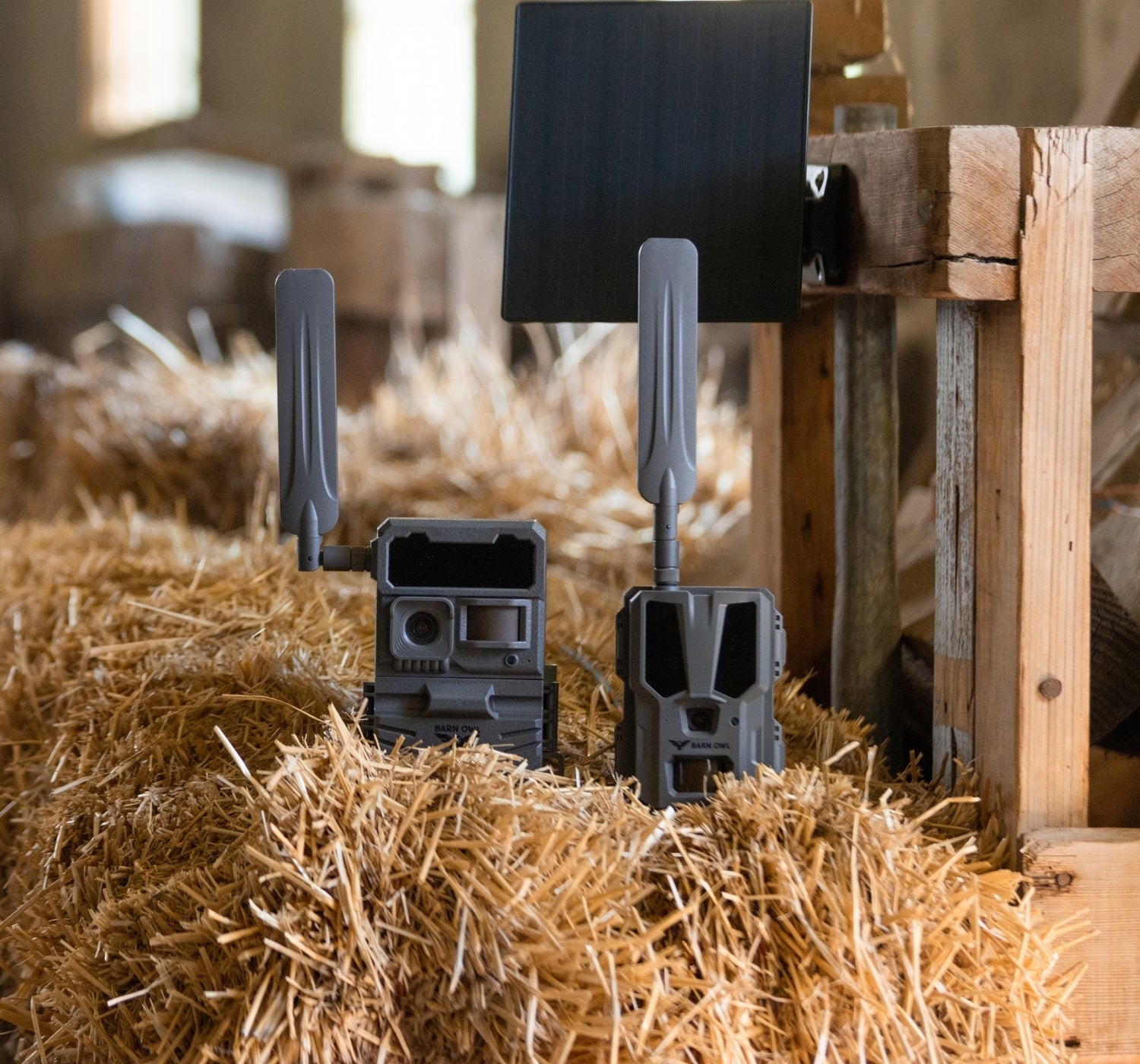
How to Choose the Right Game Camera

Barn Owl Blog

How to Choose the Right Game Camera

by on Jul 01 2025
How to Choose the Right Game Camera Choosing the right game camera can be a game-changer for your agricultural business or remote property needs. These devices are essential for monitoring vast rural properties. They enhance security and provide peace of mind. Game cameras offer features like motion detection and night vision. They are designed to capture high-quality images and videos. This makes them invaluable for both security and wildlife observation. Understanding the different types and features is crucial. It helps in selecting a camera that meets your specific needs. This guide will walk you through the process. We'll explore key features and top recommendations. You'll learn how to match a game camera to your property and goals. Let's dive in and find the perfect solution for you. Key Features to Look for in a Game Camera Choosing the right game camera means understanding its key features. Not every camera suits every need. Knowing what to look for is essential. First, consider image and video quality. High-resolution images and clear videos are crucial. They enhance your ability to monitor effectively. Next, check the camera's connectivity options. Look for Wi-Fi or cellular capabilities. These allow for easy access and data transfer to your devices. Battery life is another important feature. Long-lasting batteries reduce maintenance needs. They ensure continuous operation without frequent interruptions. Consider the camera’s detection range. A wider range means better coverage. It's especially important for large properties. Also, look into these features: Motion detection Night vision Weather resistance Lastly, think about the camera's durability. A rugged design withstands harsh outdoor conditions. This ensures longevity and reliability. By focusing on these features, you can select a camera that perfectly aligns with your monitoring goals. Types of Game Cameras: Which Is Best for Your Needs? Understanding the types of game cameras helps in making an informed choice. Each camera type offers unique advantages suited to different needs. Firstly, consider traditional trail cameras. These are known for their straightforward operation. They are ideal for basic monitoring in controlled areas. Next, explore video recording trail cameras. They capture detailed footage, which is valuable for security and wildlife observation. They offer both real-time and recorded viewing options. Don't overlook wireless trail cameras. These provide flexibility in placement, with no wiring needed. They allow easy monitoring through remote connectivity. Examine these types: Traditional trail cameras Video recording trail cameras Wireless trail cameras No glow cameras Lastly, no glow cameras are perfect for discreet monitoring. They capture images without visible light, remaining unnoticed by intruders or wildlife. Carefully selecting a camera type ensures the best fit for your property's monitoring needs. How to Match a Game Camera to Your Property and Goals Choosing a game camera involves aligning its features with your property’s unique requirements and your objectives. First, identify the areas needing monitoring. Larger fields may require cameras with a broader detection range. Consider the environment’s lighting conditions. For places with little light, opt for cameras with superior night vision or no glow infrared capabilities. This ensures clear images without alerting potential intruders. Evaluate your need for connectivity. If you want immediate updates, a camera with WiFi or cellular to phone connectivity will be beneficial. It offers instant alerts and remote monitoring, key for staying informed without being on-site. Remember these factors when selecting a game camera: Detection range Night vision capability Connectivity needs Finally, always factor in the camera's durability against weather conditions. For rural properties, models with robust construction and weatherproof features are essential for long-term reliability. A well-matched camera maximizes security while fitting seamlessly into your agricultural operations. Barn Owl Cameras  are purpose-built for remote property monitoring, offering unmatched performance in rural settings. Unlike traditional game cameras, Barn Owl cameras connect via cellular networks—no Wi-Fi needed—providing real-time images and motion-triggered alerts straight to your phone or computer. With rugged weatherproof construction, long battery life, and remote access through a user-friendly app, Barn Owl gives you total visibility and control over gates, pastures, equipment yards, or backcountry roads. Whether you're securing your property or tracking wildlife, Barn Owl delivers the reliability and simplicity agriculture business owners need. Tips for Easy Setup and Maintenance Setting up a game camera doesn’t have to be complicated. Begin by selecting a location with minimal obstructions. This ensures a clear field of view and optimal detection. Regular maintenance keeps your camera functioning smoothly. Clean lenses to prevent dirt and moisture buildup, which can reduce image quality. Follow these setup and maintenance tips for hassle-free operation: Mount the camera at a stable height. Use fresh batteries or rechargeable options. Regularly check the memory card for available space. Finally, inspect the camera casing for any signs of damage. Promptly addressing any issues ensures your camera remains effective in monitoring and protecting your property, contributing to long-term security success. Making the Right Choice: Final Thoughts and Next Steps Choosing the right game camera can greatly enhance your property's security. By understanding specific features and aligning them with your needs, you can make a wise investment. It's important to weigh the options carefully. Consider factors like image resolution, connectivity, and battery life. These elements influence the camera's effectiveness in rural settings. Here's a quick checklist for making your choice: Evaluate the camera's primary use: security, wildlife, etc. Determine necessary features: night vision, Wi-Fi, Cellular… Compare costs and features to find the best value. Once you've made your decision, think about complementing the game camera with other security measures. Integrating multiple systems strengthens your overall security strategy. Begin your search with reliable trail camera reviews, warranty options, and customer support ratings to ensure your final choice suits your needs. Next up: Game Camera Features You Should Consider
Non-Flash Game Cameras: A Comprehensive Guide

Barn Owl Blog

Non-Flash Game Cameras: A Comprehensive Guide

by on Jun 30 2025
Non-flash game cameras are revolutionizing wildlife photography. They capture images without startling animals, thanks to their infrared technology. These cameras are perfect for low-light conditions, such as dawn or dusk. They allow you to observe wildlife without interference. Hunters and wildlife enthusiasts find them invaluable for tracking animal movements. They offer a discreet way to monitor without alerting the subjects. Non-flash game cameras are also used for security, providing surveillance without drawing attention. Their versatility makes them a popular choice for various applications. In this guide, we will explore the benefits, features, and types of non-flash game cameras. Discover how to choose the best one for your needs. What Is a Non-Flash Game Camera? A non-flash game camera is a stealthy tool for capturing wildlife images. It uses infrared technology instead of a visible flash. This makes it ideal for nighttime or low-light conditions, when many animals are most active. These cameras come equipped with sensors that detect movement. Once movement is detected, they capture images without alarming animals. This non-intrusive approach is perfect for studying wildlife behavior. Key features of non-flash game cameras include: Infrared technology: Invisible to animals, reducing disturbance. Motion sensors: Trigger when movement is detected. Durability: Designed for outdoor use in various weather conditions. Their ability to capture clear images without drawing attention makes them highly valuable. Whether for research, hunting, or security, they provide a quiet, reliable solution. How Non-Flash Game Cameras Work Non-flash game cameras operate using infrared light to capture images. This light is invisible to the naked eye, ensuring animals aren't disturbed. The cameras are equipped with sensors that detect motion and activate the camera when needed. When motion is detected, the infrared sensors trigger the camera to capture an image or video. This technology is especially useful at dawn, dusk, or nighttime when light is scarce. As a result, clear images are obtained without spooking wildlife. Some key components of how these cameras function include: Infrared sensors: Detect motion without emitting visible light. Trigger speed: Captures images quickly once motion is detected. Energy efficiency: Prolongs battery life during extended outdoor use. These features make non-flash game cameras an effective tool in various low-light conditions. By understanding their operation, users can employ them effectively for wildlife observation or security. Benefits of Using a Game Camera No Flash A game camera with no flash provides several advantages, particularly for wildlife enthusiasts. It captures images in silence and darkness, ensuring animals remain undisturbed. This feature is crucial for observing natural behavior without influencing it. These cameras excel in various lighting conditions, from dawn to dusk and even deep night. Unlike traditional flash cameras, they avoid startling wildlife with sudden bright lights. As a result, they offer more authentic and candid wildlife imagery. Some of the key benefits include: Subtle operation: Minimizes disruption in natural habitats. Versatility: Effective in diverse lighting conditions. Authenticity: Captures wildlife behavior without interference. Additionally, these cameras are invaluable for hunters tracking game without alerting them. They also serve well for property monitoring, providing security without drawing attention. Overall, their benefits extend across multiple applications. Types of Non-Flash Game Cameras: Low-Glow vs. No-Glow Non-flash game cameras mainly come in two types: low-glow and no-glow infrared. Each type has distinct features that cater to different needs and environments. Understanding these differences helps in selecting the right camera. Low-glow cameras emit a faint red glow when capturing images, noticeable only when closely inspected. They are less likely to spook wildlife than regular flash cameras, making them a popular choice. However, certain animals may still see the subtle red light. No-glow cameras, on the other hand, are entirely invisible. These emit no visible light, ensuring complete discretion. This feature makes them ideal for extremely cautious wildlife or security applications. Key distinctions include: Low-glow: Slight red light, fewer disturbances, detectable up close. No-glow: Invisible infrared, optimal stealth, preferred for sensitive areas. Selecting between the two depends on the level of stealth required. Consider the environment and species when choosing the most suitable option. Key Features to Consider in Low-Light Cameras When choosing a non-flash game camera, several features are crucial. These determine the camera’s effectiveness in capturing high-quality images in low-light conditions. Thoughtful consideration of these features enhances your wildlife observation experience. Resolution is paramount, affecting image clarity. Higher resolution cameras provide sharper details. This is essential for identifying animals accurately from captured images. Trigger speed is another vital feature. A fast trigger speed ensures the camera captures animals as they move through the frame. This reduces the chance of missing fast-moving wildlife. Battery life is especially important for prolonged use in remote areas. A camera with long battery life will require less frequent maintenance, which is crucial for those hard-to-reach locations. Consider these features: Resolution: Determines image sharpness. Trigger speed: Captures motion quickly. Battery life: Critical for extended deployment. By evaluating these aspects, you can select the best camera suited to your needs. Investing time in choosing the right features ensures reliable performance and great results. Top Uses for Non-Flash Game Cameras Non-flash game cameras have a range of applications. They are particularly favored by wildlife enthusiasts and researchers due to their discreet operation. These cameras enable the study of animal behavior without causing disturbance. Hunters use these cameras to track game movement. By monitoring paths and activity, hunters gain insights into animal habits. This helps in planning successful hunting trips without alerting the animals. Another practical application is security. Non-flash game cameras can monitor property, catching trespassers without drawing attention. Their ability to operate unnoticed makes them ideal for surveillance. Common uses include: Wildlife research: Observe animals naturally. Hunting: Track game efficiently. Security: Monitor properties covertly. These applications demonstrate the versatility and importance of non-flash game cameras. Their stealth capabilities and adaptability make them invaluable across various fields. How to Choose the Best Non-Flash Game Camera Selecting the right non-flash game camera depends on several key factors. First, consider the environment where you plan to use the camera. Different settings may demand specific features. Start by evaluating the camera's image resolution and trigger speed. High-resolution images and quick response times are essential for capturing clear, timely shots of moving wildlife. These features are critical for both photography and video recording. Next, assess the camera's battery life and weather durability. Long battery life is crucial for extended deployment in remote areas. Cameras need to withstand the elements for reliable outdoor use. Consider the following features: Image resolution Trigger speed Battery life Weather resistance By carefully considering these aspects, you can find the most suitable non-flash game camera for your needs. This ensures effective, unobtrusive wildlife observation or property monitoring. For those seeking dependable, discreet monitoring, Barn Owl Cameras  offer a professional-grade solution. Designed specifically for remote and rugged environments, Barn Owl’s cellular-connected, no-glow cameras capture high-quality images and videos without alerting wildlife—or potential intruders. Whether you're tracking elusive animals, safeguarding livestock, or keeping tabs on rural property, Barn Owl Cameras deliver real-time updates straight to your phone with no visible flash. Their long battery life, simple setup, and weather-resistant durability make them a trusted choice for landowners, hunters, and conservationists alike. Tips for Setting Up and Maintaining Your Camera Proper setup is crucial for optimal camera performance. Select a location with a clear view and secure it firmly to avoid accidental misalignment. Pay attention to the camera angle to maximize field of view. Regular maintenance is key to ensuring the camera operates smoothly. Check the batteries and memory card regularly to avoid missing important events. Keep the lens and sensors clean for clear images. Consider these maintenance tips: Choose a stable mount Check battery life frequently Clean the lens and sensors Following these tips will help maintain your camera’s longevity and effectiveness in capturing high-quality footage. Conclusion: The Value of Stealth in Wildlife Observation Non-flash game cameras are invaluable tools for unobtrusive observation. They let us capture the beauty of wildlife without interference or disruption. Their discreetness opens up a world of insights into animal behavior and habitats. Whether you're a researcher, hunter, or hobbyist, these cameras provide a unique glimpse into the natural world. Embrace the power of stealth to elevate your wildlife observation experience.
Understanding Night Vision Camera Technology

Barn Owl Blog

Understanding Night Vision Camera Technology

by on Jun 30 2025
In today's world, security is a top priority for agriculture business owners. Protecting vast rural properties can be challenging. Night vision cameras offer a solution. These devices provide clear images even in complete darkness. They are essential for 24/7 surveillance. Understanding night vision camera technology is crucial. It helps in selecting the right system for your needs. With the right camera, you can monitor livestock, equipment, and property effectively. This technology enhances safety and productivity. Night vision cameras use advanced infrared technology. This allows them to capture images in low-light conditions. They are designed to withstand harsh weather, making them ideal for outdoor use. Investing in a good night vision camera can provide peace of mind. Choosing the best night vision camera involves understanding its features. High-resolution images, wide field of view, and motion detection are key. These features ensure comprehensive coverage and timely alerts. With the right camera, you can safeguard your assets efficiently. What Is a Night Vision Camera? A night vision camera is a specialized security device. It is designed to capture clear images in low or no light. These cameras are often used for surveillance during nighttime hours. The technology behind them relies on infrared light. This invisible light enhances visibility in the dark. Night vision cameras are essential for monitoring large properties. They help keep an eye on areas where traditional security measures fall short. These cameras are crucial in rural settings, where darkness can be a significant barrier. They offer peace of mind by providing around-the-clock surveillance. These cameras vary widely in terms of features and capabilities. Some offer basic black-and-white images, while others provide full-color night vision. The choice depends on the specific security needs of the user. Understanding these options is key to selecting the right camera. How Night Vision Cameras Work: Key Technologies Explained Night vision cameras employ fascinating technology to work effectively in the dark. They primarily use infrared (IR) light to see what the human eye cannot. This invisible light enables capturing clear images in pitch-black conditions. Cameras with IR illumination emit beams to light up the area, invisible to the intruder but effective for the camera. The technology behind these cameras includes several key components. For instance, image sensors are critical as they convert light into electrical signals. This allows the camera to produce an image. Infrared LEDs are another essential component, providing the necessary illumination without visible light. Here's a breakdown of key night vision camera technologies: Infrared Technology: Utilizes IR LEDs to produce light detectable by the camera. Thermal Imaging: Captures heat emitted by objects, useful in various scenarios. Low-Light Imaging: Enhances sensitivity to low light, useful for capturing details. Each technology serves specific purposes and meets different security needs. Infrared is common, but thermal imaging is gaining popularity for its ability to detect heat signatures. Low-light imaging enhances scenes with some ambient light, providing clearer images. Understanding these technologies aids in selecting the right camera for particular security needs. Essential Features of a Good Night Vision Camera A good night vision camera is characterized by several essential features. High-resolution imaging is a key attribute, ensuring that every captured detail is sharp and clear. This is crucial for identifying intruders or monitoring activity accurately. Wide field of view allows the camera to cover expansive areas, reducing the need for multiple units. This is particularly beneficial for large rural properties, where surveillance is extensive yet must be efficient. Additionally, durability and weather resistance are vital for outdoor cameras. Exposure to varying weather conditions can compromise less resilient models. Quality cameras are designed to function reliably in all climates. When selecting a night vision camera, consider these features: High-Resolution Imaging: Clarity of image is paramount. Wide Field of View: Cover large areas with fewer cameras. Durability and Weather Resistance: Essential for outdoor settings. Motion Detection: Alerts can provide timely warnings. A combination of these features maximizes the effectiveness of your surveillance system. By focusing on these aspects, you ensure better protection of your assets and peace of mind. Night Vision Camera Applications in Rural and Commercial Security Night vision cameras are indispensable in safeguarding rural and commercial settings. In vast agricultural lands, they play a critical role in monitoring livestock and deterring potential thieves. Their ability to capture clear images in complete darkness provides a strategic advantage to property owners. These cameras are also valuable for securing equipment and storage areas. Farmers often leave costly machinery outside, making it vulnerable to theft. By employing night vision surveillance, they can watch over their equipment continuously, reducing risks significantly. In commercial environments, night vision cameras contribute to a comprehensive security system. They help businesses maintain operations without fear of intrusion or damage. Key applications include: Livestock Monitoring: Prevents theft and ensures animal safety. Equipment Surveillance: Protects valuable machinery from theft. Employee Safety: Monitors premises for any suspicious activity. By investing in night vision technology, both rural and commercial property owners can enhance security and operations efficiency. Choosing the Best Night Vision Camera for Your Needs Selecting the right night vision camera involves understanding your specific requirements. Different environments and security needs demand particular features. Consider aspects like range, image quality, and durability to get the best fit for your property. Resolution is a key factor. High-resolution cameras provide clearer images, crucial for identifying intruders or monitoring livestock. A good night vision camera should also offer wide coverage, ensuring no blind spots on your property. Outdoor cameras must withstand weather extremes. Look for models with weatherproof housing to ensure long-term reliability. Additionally, wireless cameras can offer flexibility, especially in vast rural areas where wiring might be impractical. Before purchasing, evaluate your budget and the camera's integration capabilities. Some features to consider include: Infrared Range: Determines how far the camera can see at night. Motion Detection: Alerts you to any movement on your property. Connectivity Options: Ensure the camera works with existing systems. By focusing on these factors, you'll find a night vision camera that meets your needs and safeguards your property effectively. Smart Features and Integration for Modern Security Modern security systems have evolved with smart technology, enhancing both convenience and effectiveness. Night vision cameras now come equipped with advanced features that provide real-time alerts and seamless integration with other systems. This connectivity ensures comprehensive coverage and improved response times. Smart cameras can connect to mobile apps, enabling you to monitor activities from anywhere at any time. They send instant notifications, so you're quickly informed of any potential security breaches. Furthermore, integrating cameras with smart home systems enhances their functionality, allowing for automated responses and coordinated security measures. Look for features that elevate your security strategy: Cloud Storage: Safeguard footage remotely. AI Detection: Differentiate between humans, animals, and vehicles. These innovations provide a robust security framework, ensuring peace of mind and protecting your assets around the clock. For remote operations that demand reliable, around-the-clock surveillance, Barn Owl Cameras  offer advanced night vision capabilities paired with rugged durability. Designed specifically for farmers, ranchers, and rural property owners, Barn Owl’s cellular-connected cameras deliver clear infrared imagery even in total darkness—no WiFi required. With motion-activated alerts and remote access via mobile or desktop, you can monitor livestock, equipment, and perimeter fencing in real time, from anywhere. Whether you're dealing with unpredictable weather or wide-open acreage, Barn Owl Cameras are built to keep your property secure—night and day. Installation, Maintenance, and Best Practices Installing a night vision camera system can be straightforward yet requires attention to detail for optimal performance. Begin by selecting appropriate locations that cover vulnerable areas without obstructions. Ensure cameras are mounted securely, considering both height and angle for maximum visibility. Regular maintenance is crucial to keep your system functioning efficiently. Simple practices like cleaning lenses and testing connectivity ensure clarity and reliability. Stay proactive in checking for software updates to improve functionality and security features. Following these guidelines enhances the longevity and effectiveness of your security setup, safeguarding your property consistently. Conclusion: Enhancing Security and Peace of Mind Night vision cameras are essential for comprehensive security, especially in rural and commercial settings. They offer reliable monitoring and deter potential threats, ensuring safety and protection. Investing in a robust night vision camera system provides a strong security foundation. This technology empowers you to safeguard assets and gain peace of mind, crucial for managing your property effectively. Up next: How Night Vision Cameras Enhance Security
The Science Behind Infrared Camera Sensors

Barn Owl Blog

The Science Behind Infrared Camera Sensors

by on Jun 30 2025
The use of infrared in cameras is transforming security and monitoring systems. It offers a unique way to see the unseen. Cameras detect infrared radiation, which is invisible to the human eye. This radiation is emitted as heat by all objects. Cameras pick up the change in heat and know to trigger a picture or video to alert property owners of changes to the scene in which they are watching. In agriculture, this technology is invaluable. It helps monitor livestock and detect potential equipment theft. For commercial properties, infrared cameras enhance security. They provide visibility in complete darkness without additional lighting. Understanding how infrared sensor for remote cameras work can be complex. However, their benefits are clear and impactful. This article will explore the science behind infrared camera sensors. We'll explain their functionality and applications. By the end, you'll see how infrared cameras can boost safety and productivity. Understanding Infrared: What Is It and Why Does It Matter? Infrared light is part of the electromagnetic spectrum. It exists just beyond visible red light. This type of radiation is crucial because it represents heat. Every object above absolute zero emits infrared radiation. Infrared technology captures these emissions to provide valuable insights. Here's why it matters: Thermal Imaging: Identifies heat patterns invisible to the naked eye. Night Vision: Enhances visibility in low-light environments. Non-Contact Temperature Measurement: Measures heat without touching objects. Commercial and personal property owners leverage infrared for security. It ensures efficient surveillance during nighttime or in unlit areas. Understanding the significance of infrared is essential. It aids in making informed decisions about implementing technology in varied environments. IR Camera Sensor Meaning and Definition: Breaking Down the Basics Cameras that utilize infrared technology capture images using infrared radiation rather than visible light. This capability is crucial for various applications in both everyday and specialized settings. These cameras are indispensable in environments where heat visibility is more informative than visible light. By understanding these basic definitions, users can effectively navigate the diverse applications of infrared technology. This knowledge empowers agricultural business owners and property managers to adopt advanced surveillance systems confidently. How Does IR Work? The Science Explained Infrared functions based on detecting thermal radiation. All objects emit some level of infrared energy. The amount of this energy is often proportional to their temperature. IR sensors capture infrared radiation emitted by objects in its field of view. It then converts this radiation into an electronic signal. The IR camera then processes the signal.  IR sensors are effective in low-light conditions. They do not require additional lighting to function. This characteristic makes them ideal for nighttime monitoring. Understanding how an IR sensor works helps with its application. This knowledge is particularly useful when selecting a system for specific needs. Whether for agricultural or security purposes, the infrared technology advances surveillance effectiveness by converting heat energy into useful visual data. Infrared in Camera: Key Features and Technical Specifications Infrared-utilizing cameras boast several crucial features that make them indispensable for monitoring. They capture heat variations invisible to the naked eye. This ability is vital for detecting temperature anomalies over vast areas. A primary feature is the sensitivity to infrared wavelengths, typically between 8 and 14 micrometers. This range allows them to sense subtle heat differences. Infrared-utilizing cameras also come equipped with field of view (FOV) specifications. A broader FOV covers larger areas, ideal for expansive property surveillance. Many cameras offer real-time imaging. This feature enables immediate analysis, which is essential for swift responses to potential security breaches. Infrared Applications in Agriculture and Commercial Security Cameras that utilize infrared are revolutionizing agriculture and commercial security. They provide a technological edge by enhancing visibility where traditional cameras fall short. In agriculture, these cameras serve numerous purposes. They provide motion detection capability to watch changes in an environment without having a constant stream of data use. In commercial security, these cameras are indispensable. They allow for around-the-clock surveillance, even in complete darkness. This feature is vital for securing large commercial properties, reducing the risk of theft and unauthorized access. A primary advantage of infrared technology is enhanced security. Infrared cameras can detect and record intruders regardless of lighting conditions. This is crucial in rural settings, where lighting can be limited or nonexistent. Additionally, they offer cost savings. By reducing the need for constant lighting and physical patrols, businesses can lower energy and personnel costs. This makes them an economical choice for large properties. By integrating cameras that utilize infrared into agricultural and commercial settings, business owners can improve productivity and safety. This technology not only supports everyday operations but also provides peace of mind through enhanced security measures. Integrating Infrared-Utilizing Cameras with Smart Security Systems Integrating infrared-utilizing cameras into smart security systems is transformative. These cameras enhance traditional systems by adding layers of detection and analysis. Imagine a setup where infrared technology and artificial intelligence work in tandem, identifying potential threats with precision. Smart systems benefit significantly from infrared due to their exceptional night vision capabilities. They deliver real-time alerts, offering business owners prompt responses to security breaches. The integration process might seem complex, but many solutions are designed for seamless connection with existing infrastructures. This minimizes disruption while maximizing surveillance effectiveness. Key integration benefits include: Enhanced detection capabilities: Infrared cameras identify heat signatures invisible to the naked eye. Real-time monitoring and alerts: Immediate notifications improve response times. Seamless compatibility with existing systems: Many models are designed for easy integration. Utilizing infrared in smart setups offers robust security solutions, ensuring properties remain protected around the clock. Choosing the Right Camera: What to Look For Selecting the best camera involves careful consideration of several factors. The right choice hinges on specific needs and operational environments. Understanding these elements can significantly enhance the security and efficiency of your property. Firstly, assess the area that needs monitoring. Larger spaces may benefit from cameras with a longer range. This ensures comprehensive coverage and reduces blind spots. It's also crucial to examine the camera's resolution and sensitivity. Higher resolution cameras provide clearer images. Additionally, sensitivity to heat variations improves the detection of subtle temperature changes. Some key features to look for include: Range and coverage: Appropriate for the size of the monitored area. Resolution and sensitivity: Determines image clarity and detection ability. Compatibility: Ease of integration with existing systems through tools such as API or application programming interface. Ultimately, choosing the correct camera supports effective monitoring, enhancing both security and operational efficiency. This foresight protects your investments and empowers your business operations. The Future of Infrared Technology in Remote Cameras Infrared camera technology continues to evolve rapidly. Advancements are making devices more powerful and versatile. Future developments promise even greater improvements in functionality and application. Upcoming trends point toward enhanced resolution and image processing. These advancements will allow for more precise and detailed thermal imaging. As resolution improves, so too will the capacity to detect minor anomalies swiftly. Another exciting trend is the integration of artificial intelligence. AI will enable cameras to learn and recognize patterns, providing automated alerts and responses. This evolution fosters real-time decision-making and proactive security measures. Key trends to anticipate: Higher resolutions for detailed imaging. AI integration for intelligent monitoring. Compact and portable designs for diverse applications. These innovations will redefine security standards, offering robust solutions for evolving needs and challenges. Barn Owl Cameras  harness the power of advanced infrared sensors to deliver exceptional night vision and motion detection, making them a trusted choice for rural and commercial security. Designed specifically for remote environments, Barn Owl cameras detect heat signatures and utilize high resolution photos to provide clear pictures, even in total darkness and without external lighting. Whether you're monitoring livestock, equipment, or perimeters, our cameras offer real-time alerts, solar-powered options, and cellular connectivity, so you stay informed and in control no matter where you are. With Barn Owl, you get dependable infrared technology tailored to the real-world demands of landowners and agricultural operations. Conclusion: Empowering Your Business with Infrared Camera Solutions Infrared camera solutions hold transformative potential for businesses, particularly in agriculture and security. By adopting these technologies, you can achieve enhanced safety and efficiency. Investing in cameras that utilize infrared enables proactive management of risks and resources. With improved monitoring, you safeguard your assets and optimize operations. Infrared technology offers a strategic advantage, ensuring that your business remains at the forefront of innovation and security. Up next: Exploring Infrared Technology in Modern Cameras

Showing 42/93