Welcome to the Barn Owl Learning Center

Since our founding in 2017, Barn Owl has become a leader in providing security, real-time insight, operational efficiency and peace of mind across rural America. Our team of experts has build an in-depth knowledge base designed to answer your questions across industries and challenges. Browse our content below by key topic or by blog post date.

Key Topics Users Find Most Helpful

Barn Owl Blog

Barn Owl's team of experts have amassed decades of insights and knowledge into a series of helpful articles. Browse the latest news and posts below, including by topic tag.

Regenerative Grazing: What Is It and What Are the Pros and Cons?

Barn Owl Blog

Regenerative Grazing: What Is It and What Are the Pros and Cons?

by on Apr 04 2025
Regenerative grazing is a land management approach that focuses on restoring soil health, enhancing biodiversity, and improving water retention by optimizing livestock grazing patterns. This practice involves strategically moving livestock across pastures to mimic natural grazing behaviors, promoting the growth of diverse plant species and enriching the ecosystem. Pasture Project : Home Pros of Regenerative Grazing: Improved Soil Health: By allowing plants to recover between grazing periods, regenerative grazing enhances root systems, leading to better soil structure and increased organic matter. Enhanced Biodiversity: This method encourages a variety of plant species to flourish, supporting a more diverse and resilient ecosystem. Carbon Sequestration: Healthy soils under regenerative grazing can capture and store atmospheric carbon, contributing to climate change mitigation. Increased Water Retention: Improved soil structure enhances the land's ability to retain water, reducing runoff and promoting drought resilience. Cons of Regenerative Grazing: Initial Learning Curve: Adopting regenerative practices may require new knowledge and adjustments to traditional grazing methods. Upfront Costs: Implementing regenerative grazing can involve initial investments in infrastructure and planning. Variable Results: Outcomes can vary based on factors like climate, soil type, and management practices. How Barn Owl Cameras Can Assist with Regenerative Grazing: Integrating technology, such as Barn Owl's off-grid cellular cameras, can significantly enhance the management of regenerative grazing practices: Remote Monitoring: Barn Owl cameras enable ranchers to oversee livestock distribution and pasture conditions without frequent physical visits, ensuring that grazing patterns align with regenerative goals. Data-Driven Decisions: By capturing real-time images and videos, these cameras provide valuable insights into plant health and soil conditions, aiding in the optimization of grazing schedules and land management strategies. Operational Efficiency: With features like solar-powered operation and cellular connectivity, Barn Owl cameras offer a cost-effective solution for monitoring large areas, reducing labor and fuel expenses associated with traditional land checks. Incorporating Barn Owl cameras into your regenerative grazing strategy can streamline operations, enhance data collection, and support the sustainable management of your land. Up next: Understanding Silvopasture: Integrating Trees, Forage, and Livestock
How Night Vision Cameras Enhance Security

Barn Owl Blog

How Night Vision Cameras Enhance Security

by on Apr 03 2025
In today's security systems, night vision cameras are essential for protecting properties, whether they are businesses or farms. As the owner of an agricultural business, you may face particular challenges in monitoring vast properties, particularly during nighttime. This article will delve into how night vision cameras can significantly enhance security and provide peace of mind. Understanding Night Vision Cameras Night vision cameras capture images and videos in low-light settings, offering visibility where human eyes fail. They employ various technologies such as infrared (IR) illumination, thermal imaging, and low-light sensors to function effectively in the dark. Infrared (IR) Night Vision Cameras Infrared night vision cameras use IR LEDs to illuminate their field of view without emitting visible light. This allows them to capture clear images in complete darkness. The IR LEDs emit light at wavelengths not visible to the human eye, which is then reflected off objects and captured by the camera's sensor. Thermal Imaging Cameras Thermal imaging cameras detect heat signatures instead of relying on light. They create images based on temperature differences in the scene, making them highly effective for detecting intruders or animals in the dark. Low-Light Cameras Low-light cameras, also known as digital night vision cameras, enhance available light to produce clear images. These cameras are excellent for environments with some ambient lighting, such as moonlight or streetlights. Benefits of Night Vision Cameras Enhanced Security Night vision cameras provide round-the-clock surveillance, ensuring your property is monitored even in total darkness. This deters potential intruders and helps quickly identify any suspicious activity. Comprehensive Coverage With advancements in technology, modern night vision cameras offer wide-angle lenses and high-resolution imagery. This provides wide coverage of large areas, making it perfect for big rural properties. Improved Detection Night vision cameras are highly effective in detecting movement and providing alerts for unusual activity. This is particularly useful in rural areas where wildlife or unauthorized people might pose threats. Remote Monitoring Many night vision cameras support remote monitoring via smartphones or computers. This allows you to keep an eye on your property from anywhere, offering peace of mind and immediate response capabilities. Cost-Effective Security Solution Investing in night vision cameras can be cost-effective compared to hiring security personnel for 24/7 surveillance. These cameras offer continuous monitoring with minimal maintenance. Choosing the Best Night Vision Camera When selecting a night vision camera for your agricultural property, consider the following factors: Resolution Opt for cameras with high-resolution capabilities to ensure clear and detailed images. This is crucial for identifying intruders or any unusual activity. Range and Coverage Assess the camera's range and field of view to ensure it covers the desired area effectively. Wide-angle lenses and long-range IR illumination are essential for large properties. Weather Resistance For outdoor use, choose cameras that are weather-resistant and can withstand harsh environmental conditions. Integration with Existing Systems Make sure it works well with your current security systems. This will help you monitor everything easily. Barn Owl: The Ultimate Night Vision Solution Night vision cameras are revolutionizing security solutions for properties of all kinds. They provide critical surveillance capabilities, especially in low-light conditions. One notable example is the Barn Owl camera. This outdoor night vision camera is designed to capture clear images and videos, even in the darkest environments. With its advanced technology and user-friendly features, Barn Owl cameras stand out in the market. They enhance security, offering property owners peace of mind.  Implementing Night Vision Cameras in Agriculture Night vision cameras can play a pivotal role in enhancing security for agricultural operations. Here’s how: Perimeter Security Deploy night vision cameras along the perimeter of your property to monitor entry and exit points. This creates a secure boundary, deterring unauthorized access. Livestock Monitoring Use cameras to monitor livestock, ensuring their safety and well-being. Night vision capabilities allow you to detect any unusual behavior or potential threats during nighttime. Equipment Protection Install cameras near valuable equipment and machinery to prevent theft and vandalism. Night vision cameras can capture details of any suspicious activity, aiding in investigation and recovery. Conclusion Night vision cameras are a vital component of modern security systems, offering unparalleled protection for agricultural and commercial properties. Their ability to operate in low-light conditions, coupled with advanced features such as remote monitoring and motion detection, makes them an invaluable asset for any business owner seeking comprehensive security solutions. Investing in the right night vision camera tailored to your needs can significantly enhance your property's security, providing peace of mind and ensuring the safety of your assets. Whether you are protecting livestock, equipment, or your entire property, night vision cameras offer a cost-effective and reliable security solution that stands the test of time.
Exploring the Benefits of Non-WiFi Security Cameras

Barn Owl Blog

Exploring the Benefits of Non-WiFi Security Cameras

by on Apr 01 2025
In the realm of agriculture, security is paramount. It's not just about safeguarding assets, but also ensuring the smooth operation of daily tasks. Yet, rural settings pose unique challenges. Internet connectivity, for instance, can be sporadic or non-existent. This makes traditional WiFi-dependent security systems less than ideal. Enter non-WiFi security cameras. These devices offer reliable surveillance without the need for an internet connection. They're designed to function in remote locations, providing peace of mind where it's most needed. This article explores the benefits and capabilities of these cameras. We'll delve into how they work, their advantages, and the different types available. We aim to simplify the technical jargon, making it easier for you to make informed decisions. Whether you're an agriculture business owner or a manager, this guide will help you understand how non-WiFi security cameras can enhance your operations. Let's embark on this journey towards a safer, more secure agricultural business. Understanding Non-WiFi Security Cameras Non-WiFi security cameras offer an alternative to traditional internet-based systems. These cameras do not rely on WiFi to function, making them ideal for remote areas. Instead of WiFi, they use other technologies. This includes cellular networks or local storage solutions to operate effectively. Benefits include enhanced reliability and reduced susceptibility to network failures. Agricultural environments with challenging internet connectivity can find these solutions particularly beneficial. Non-WiFi cameras can be easier to install as they often come without the need for extensive wiring. They're versatile and adaptable to various settings. Here are some typical features of non-WiFi cameras: Cellular connectivity for remote alerts and real-time monitoring. Local storage options like SD cards to keep footage on-site. Battery-operated systems for flexible placement. Durability to withstand harsh outdoor environments. These cameras cater to diverse needs, whether it's monitoring livestock, protecting equipment, or maintaining overall farm security. What Are Non-WiFi Security Cameras? Non-WiFi security cameras function independently of internet connections. They're designed for areas with limited or no WiFi access. These cameras offer robust security solutions without relying on traditional internet infrastructure. They work using alternative connectivity methods like cellular data. Alternatively, they may save footage locally, enabling easy access when needed. The focus is on maintaining security even in the most remote locations. By doing so, they provide peace of mind to property owners without the need for constant internet availability. How Do Non-WiFi Cameras Work? Non-WiFi cameras utilize various technology methods to offer security. Cellular-connected cameras use mobile networks to send alerts and video clips to users' phones. Another method is recording footage directly onto local storage devices such as SD cards. This eliminates the need for internet, ensuring footage is safely stored. Some cameras connect via short-range Bluetooth for data transfer. They bypass the internet entirely, ensuring privacy and uninterrupted operation. These flexible solutions make non-WiFi cameras ideal for diverse rural needs. Advantages of Non-WiFi Security Cameras for Agriculture Non-WiFi security cameras offer significant benefits for agriculture settings. They enable farm owners to secure large, remote properties effectively. This section outlines key advantages that these cameras bring to rural environments. One primary benefit is their independence from internet connectivity. These cameras function reliably even where internet service is unavailable or intermittent. In agricultural operations, peace of mind is crucial. Non-WiFi cameras provide this by delivering consistent surveillance and reducing monitoring gaps. Here are some notable advantages: No dependency on WiFi, ensuring continuous operation. Lower risk of hacking compared to internet-connected cameras. Ease of installation without complex network requirements. Cost savings by eliminating the need for internet service. With these cameras, farm owners can achieve greater operational efficiency. This enhances both security and productivity across their sites. Reliability in Remote Locations Non-WiFi security cameras excel in remote and rural areas. Without relying on internet connectivity, they ensure uninterrupted surveillance. For agriculture businesses, this is invaluable. Farms often span vast areas where internet service might be absent or unreliable. These cameras fill that gap proficiently. Some models come equipped with long-lasting batteries. They offer extended operation, guaranteeing consistent monitoring even in the most isolated spots. Enhanced Security and Privacy These cameras enhance security by minimizing cyber vulnerabilities. Non-WiFi cameras are less prone to hacking, providing a safer surveillance option. Privacy is a significant concern for business owners. Without connecting to the internet, these cameras safeguard stored footage from unauthorized access. By using local storage or cellular data, they add an extra layer of privacy. This ensures sensitive information remains protected, reinforcing trust for property owners. Types of Non-WiFi Cameras and Their Uses Non-WiFi cameras come in various types, each serving different purposes. Understanding these types can help agriculture business owners choose the right solution. A popular option is the cellular security camera. These cameras connect via cellular networks, providing real-time alerts and footage. Trail cameras, typically used in wildlife monitoring, can also serve agricultural needs. They are ideal for tracking movement across vast fields. Battery-powered cameras are another option. They offer flexibility in placement without the need for power outlets. Here's a quick overview of non-WiFi camera types: Cellular cameras for real-time connectivity. Trail cameras for wildlife and field monitoring. Battery-powered cameras for versatile placement. Each type has its unique advantages, catering to different aspects of farm management. By selecting appropriate cameras, business owners can maximize security and efficiency on their properties. Cellular Security Cameras Cellular security cameras use mobile networks instead of WiFi. This makes them suitable for remote areas with little to no internet access. These cameras send live footage and alerts directly to your phone. This allows for monitoring from afar, keeping you informed about activities on your property. In addition to enhanced security, they offer flexibility. You can receive notifications wherever there's cellular service, ensuring constant vigilance. Trail and Wildlife Cameras Trail cameras are primarily designed to monitor wildlife. However, they serve dual purposes in agricultural settings by detecting trespassers. These cameras are ideal for large properties. They capture movements over extensive areas without requiring internet service. Equipped with motion sensors, they record only when movement is detected. This feature conserves battery life, ensuring continuous operation in remote locations. Choosing the Right Non-WiFi Camera for Your Needs Selecting the perfect non-WiFi camera for your agricultural business involves understanding your specific security needs. You must consider the layout of your property and the areas you wish to monitor. Consider how you intend to use the camera. Whether it's for monitoring livestock, equipment, or fields, different types offer varied features. Budget is another key factor. Look for a solution that balances cost with functionality, ensuring you invest wisely in your security infrastructure. Factors to Consider Location plays a crucial role in camera selection. Remote areas may demand cellular cameras, while others might benefit from trail cameras. Ease of installation and maintenance should also be a priority. Opt for cameras that offer straightforward setup and require minimal upkeep. Finally, assess additional features like battery life, resolution, and night vision. These elements enhance the overall effectiveness of your security system, providing peace of mind. Implementing Non-WiFi Security Solutions Getting started with non-WiFi security cameras doesn't have to be daunting. Begin by evaluating the areas that require the most surveillance. Identify the optimal positions for your cameras to maximize coverage. This strategic placement is vital for comprehensive security. Once installed, regularly review camera footage and system performance. Stay proactive to ensure the system operates smoothly. Installation and Maintenance Installation can vary, but most non-WiFi cameras are designed for easy setup. Follow the manufacturer's instructions for best results. Maintenance is typically low-key. Regularly check battery levels and clean the camera lenses to maintain image clarity. Perform system checks periodically. Promptly address any issues to keep the security system running efficiently, ensuring continuous protection. Barn Owl Cameras: Leading the Non-WiFi Security Camera Brand When it comes to non-WiFi security cameras, Barn Owl stands out as one of the best brands on the market. Known for their quality and reliability, Barn Owl cameras provide exceptional surveillance solutions specifically designed for rural and remote environments. Overview of Barn Owl Cameras Barn Owl specializes in creating security cameras that operate effectively without the need for internet connectivity. Their products have garnered attention for their robust features and user-friendly design, making them a preferred choice for agricultural business owners and property managers. Key Features of Barn Owl Cameras Barn Owl cameras come equipped with a variety of features that enhance their functionality: HD Video Quality: With high-definition video capabilities, these cameras ensure clear and detailed footage, allowing for better monitoring of activities on your property. Local Storage Options: Barn Owl cameras typically support local storage, which means that footage can be saved on SD cards without reliance on internet access, securing your data against potential cyber threats. Battery Life: Designed with long-lasting batteries, Barn Owl cameras can operate for extended periods, making them ideal for remote locations where power sources may be limited. Why Choose Barn Owl for Your Non-WiFi Security Needs Opting for Barn Owl cameras means investing in a reliable security solution. Their commitment to quality and innovative technology ensures that you receive a product that meets your security needs. Furthermore, with the added benefit of minimal maintenance and easy installation, Barn Owl cameras provide peace of mind while enhancing the safety of your agricultural operations. For more information on Barn Owl cameras, please visit www.barnowl.tech  Conclusion and Call-to-Action Non-WiFi security cameras offer a practical solution for rural properties. They ensure reliable surveillance without the need for internet access. Investing in these cameras brings peace of mind to agriculture business owners. Explore our range of non-WiFi security options today for a more secure future.
Installation Tips for Farm Surveillance Systems

Barn Owl Blog

Installation Tips for Farm Surveillance Systems

by on Apr 01 2025
Farm security is a critical concern for agriculture business owners. The vastness of rural properties presents unique challenges in monitoring and safeguarding assets. Long-range farm surveillance cameras offer a solution. They provide extensive coverage, deterring theft and vandalism while enhancing productivity. But how do you install these systems effectively? What features should you look for in the best wireless farm security cameras? And can you use farm security cameras without wifi? This guide simplifies these technical aspects. It provides actionable installation tips and highlights the benefits of using such systems. By the end, you'll have a comprehensive understanding of how to leverage top-notch security systems in your operations. So, let's delve into the world of long-range farm surveillance cameras and how they can revolutionize your farm security. Understanding Long Range Farm Surveillance Cameras Grasping the concept of long-range farm surveillance cameras is key to optimizing your farm's security. They are designed to monitor expansive areas effectively, using advanced technologies to cover wide distances. These cameras act as vigilant eyes over your property, ensuring every corner is under watch. With features tailored for rural environments, they provide clarity even at significant distances. Long-range cameras address the unique security needs of farms, keeping intruders at bay and monitoring livestock. They ensure you can manage the entire span of your operations from afar. Whether watching crops grow or guarding against threats, these cameras are invaluable for any agriculture business owner. Understanding their functionality helps you choose the right system to enhance farm security. The Importance of Surveillance in Agriculture Surveillance plays a crucial role in modern agriculture. It's not just about keeping assets safe but also boosting operational efficiency. Cameras deter potential threats, safeguarding valuable equipment and livestock. More than security, surveillance assists in monitoring livestock health and crop conditions. It enables data-driven decisions, enhancing productivity and sustainability. With constant monitoring, farm owners can respond swiftly to changes, mitigating risks. Thus, surveillance isn't just a safety measure; it's a strategic tool that transforms farm management. What Makes a Camera Long Range? A long-range camera is defined by its ability to capture detailed images over great distances. These cameras utilize advanced lenses and sensors to enhance their reach and possess high resolution to maintain image clarity. The effectiveness of long-range cameras relies on their field of view and signal strength. These elements work together to cover extensive areas without sacrificing detail. By understanding these components, farm owners can select cameras that match their specific needs, ensuring comprehensive coverage and heightened security. Key Features of the Best Wireless Farm Security Cameras To safeguard your expansive lands effectively, prioritize features in wireless farm security cameras. Consider what truly sets high-quality cameras apart for rural needs. Resolution: Opt for high-definition cameras that deliver clear, crisp images. Night Vision: Essential for 24/7 monitoring, it provides visibility in low-light conditions. Motion Detection: This feature alerts you to any unusual activity, ensuring proactive responses. Weatherproof Design: Cameras must withstand harsh rural climates, maintaining performance irrespective of weather. Remote Access: Ensure you can view feeds from anywhere via smartphones or computers. A top-tier camera includes a mix of these features, supporting farm security with minimal hassle. By choosing wisely, you enhance safety and efficiency across your operations. Invest time to explore each feature's benefits, ensuring you find a camera tailored to your specific farm needs. Resolution and Night Vision Resolution is paramount, capturing detailed footage for accurate surveillance. High-resolution cameras produce sharp images, vital for identifying intruders. Night vision extends this capability to low-light conditions, ensuring round-the-clock vigilance. Investing in these features safeguards your farm day and night. Cameras with superior resolution and night vision provide invaluable peace of mind. They ensure no detail, day or night, goes unnoticed, ultimately fortifying your farm's defenses. Motion Detection and Alerts Motion detection adds a proactive layer to farm security. It triggers alerts when unexpected movement occurs, allowing timely responses. Receive real-time alerts through smartphone notifications or emails. This feature minimizes the need for constant manual monitoring. Instead, focus on your daily tasks while staying informed of any security issues. It's a powerful tool for maintaining control and oversight over extensive areas, ensuring threats are addressed swiftly and effectively. Weatherproof and Durable Design Cameras should endure the outdoor elements typical of farm environments. Weatherproof models resist rain, dust, and extreme temperatures. A durable design ensures longevity, saving costs on replacements. Such resilience guarantees consistent performance despite nature's challenges. Knowing your cameras can withstand the environment offers confidence in their reliability. This durability enhances your investment, as the cameras continue to protect your property with minimal downtime. Safeguarding your Farm Assets with Barn Owl  Integrating Barn Owl cameras into your farm's security system can significantly enhance asset protection and operational efficiency. These cameras are designed to withstand harsh conditions, ensuring reliable surveillance of your property, livestock, and equipment. Barn Owl provides a simple, affordable, and versatile remote surveillance system, offering a complete solution that includes camera hardware, cellular connectivity, and user-friendly software. For more information on Barn Owl cameras, please visit www.barnowl.tech  By strategically placing Barn Owl cameras in critical areas such as entrances, storage facilities, and livestock enclosures, you can deter potential intruders and monitor daily operations effectively. Their wireless design allows for flexible installation, even in remote locations without Wi-Fi access. Farm Security Cameras Without WiFi: A Viable Option? In areas with limited connectivity, security cameras without WiFi are invaluable. They provide continuous monitoring without relying on internet connections. These cameras often use local storage options, such as SD cards, to record footage. Many come equipped with mobile network capabilities, offering a reliable alternative to WiFi. By using cellular networks, they ensure real-time alerts and remote viewing. This can be especially beneficial for vast, isolated farms where WiFi is spotty. Flexibility is a key advantage of these systems. They adapt to various environments, maintaining security even in remote areas. Choosing cameras without WiFi allows farmers to overcome connectivity challenges while still protecting their assets effectively. Powering Remote Cameras: Solar and Battery Solutions Powering cameras in remote locations can be challenging. Solar panels offer a sustainable and cost-effective solution. They harness sunlight to power cameras, ensuring continuous operation. For consistent performance, solar panels store excess energy for use during cloudy days or nighttime. Battery-powered options provide flexibility, allowing easy installation even where power lines are absent. By choosing solar or battery solutions, farmers reduce reliance on traditional power sources. These technologies enable strategic camera placement without infrastructure constraints. They ensure that no part of your land goes unmonitored, enhancing security across all conditions. Planning Your Farm Surveillance System Installation Effective planning is crucial for your surveillance system's success. Start by evaluating your farm's specific needs and challenges. Consider the areas that require constant monitoring. Next, map out key locations for camera placement. Prioritize access points and high-value areas. This ensures maximum coverage and deters potential intruders effectively. Choose technology that aligns with your operational goals. Consider factors like range, resolution, and connectivity. A well-thought-out plan makes installation smoother and enhances the system's performance. Don't forget to account for environmental conditions. Consider weatherproof options for outdoor cameras. This ensures longevity and reliability, regardless of the elements. Assessing Coverage and Placement Assessing coverage is a critical step in installation. Identify vulnerable spots and blind spots on your property. Consider areas like entrances, perimeters, and storage facilities. Determine the best angles for each camera. This maximizes the field of view and reduces blind spots. Remember, proper placement enhances surveillance effectiveness significantly. Think about elevation and distance. Long-range cameras require clear lines of sight. Proper camera height can improve image quality and range dramatically. Also, plan for potential obstructions. Ensure trees, buildings, or equipment don't block camera views. This proactive approach secures optimal surveillance results. Installation Best Practices Following best practices can streamline the installation process. Begin by carefully reviewing your equipment's user manual. This ensures proper handling and setup. For a successful installation, keep these tips in mind: Organize: Lay out all components before starting. Secure: Firmly attach cameras to reduce vibration. Align: Check camera angles frequently for the best view. Connect: Safely secure all cables and wires. Test: Verify the system's functionality post-installation. Record: Document the setup for troubleshooting. Be mindful of power sources. Opt for solar or battery solutions for flexibility. Protect cables and equipment from environmental damage to maintain system integrity. Always adhere to local regulations. Complying with privacy laws and guidelines is essential. This ensures ethical monitoring while keeping your farm secure. Legal and Ethical Considerations Understanding the legal landscape is essential when installing surveillance on your farm. Familiarize yourself with local privacy laws and regulations to avoid legal issues. These laws can vary widely depending on your region. Ensure your cameras respect the privacy of neighbors and workers. Properly positioned cameras can monitor vital areas without infringing on personal privacy. This balance is crucial for ethical security practices. Transparency is key. Inform employees and visitors about surveillance measures in place. Clear communication fosters trust and reinforces your commitment to a safe environment. Maintaining ethical standards will enhance your farm's overall security effectiveness. Maintenance, Updates, and Training Regular maintenance is vital for the longevity of your surveillance system. Keep lenses clean and check for any physical damage. Routine checks help ensure optimal performance. Stay updated with the latest software releases for your cameras. These updates often include security patches and enhanced features. Neglecting updates could risk your system's efficiency. Training your staff is equally important. Ensure they understand how to operate and monitor the system effectively. This knowledge empowers your team to respond swiftly to alerts. Consider scheduling periodic refresher sessions. These sessions help staff stay aware of new functionalities and best practices. Continuous learning fosters a proactive approach to farm security. Conclusion and Call-to-Action Implementing long-range farm surveillance cameras significantly boosts security and efficiency. They help monitor vast areas and protect valuable resources. Enhanced safety gives you peace of mind. Choose systems that suit your specific needs. Ensure they align with both security goals and operational demands.  Take action today by investing in a farm surveillance system. Start by assessing your property and planning installations. Secure your farm and amplify productivity now.
Enhancing Farm Security with Surveillance Technology

Barn Owl Blog

Enhancing Farm Security with Surveillance Technology

by on Apr 01 2025
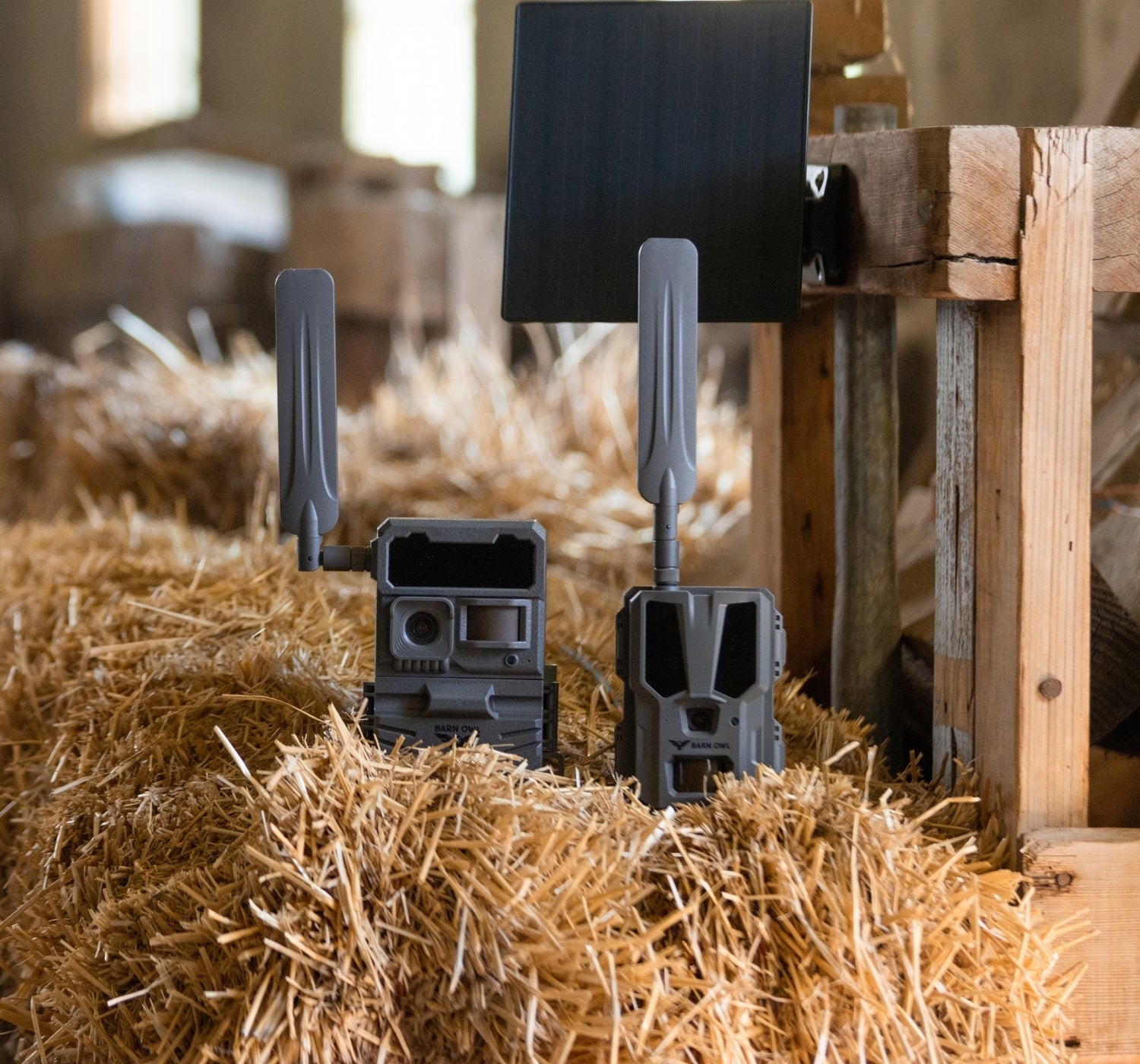
Farm security is a critical concern for agriculture business owners. The vastness of rural properties presents unique challenges in monitoring and safeguarding assets. Enter long-range farm surveillance cameras. These smart security solutions offer a robust response to these challenges. Designed to cover extensive distances, these cameras deter theft and vandalism. They provide a watchful eye over your property, livestock, and equipment, even in the most remote corners of your farm. But what makes the best wireless farm security cameras stand out? What should you look for in farm security cameras without wifi? And how do you choose the best outdoor security cameras for rural areas? This article will guide you through these questions. We'll explore the features, benefits, and considerations when investing in long-range farm surveillance cameras. Let's enhance your farm security with the power of surveillance technology. Understanding Long Range Farm Surveillance Cameras Long-range farm surveillance cameras have revolutionized rural security. They offer extended coverage and are crucial for large properties. By allowing farmers to monitor vast areas, these cameras provide peace of mind and deter unwanted activities. But not all cameras are created equal, and understanding their features is vital. Key aspects to consider include: Resolution: High-definition is a must for clear imagery. Night Vision: Vital for 24/7 monitoring. Durability: Weatherproof models withstand harsh conditions. The best wireless farm security cameras offer flexibility in installation. No more cumbersome wiring over expansive fields. Additionally, technology integration with smartphones or computers facilitates remote monitoring. This feature is indispensable for checking on your property from anywhere. Together, these elements form the foundation of a comprehensive farm security strategy. The right cameras can transform property monitoring and safeguard investments. The Importance of Farm Security Securing a farm is not just about protecting assets. It's about ensuring the safety of livestock and workers alike. Theft and vandalism pose ongoing threats, impacting operations and profitability. Surveillance technology acts as a deterrent. It helps maintain a secure environment. Farms can operate smoothly without disruption, thanks to vigilant monitoring systems. Challenges in Rural Monitoring The sheer size of rural properties presents unique monitoring challenges. Fences can be breached unnoticed. Livestock theft and equipment vandalism often occur in isolated spots. Limited connectivity poses another hurdle. Some farms struggle with weak internet signals, affecting real-time monitoring. Surveillance systems need to adapt to these challenges. Hence, choosing farm security cameras without wifi can provide an alternative. They maintain functionality without relying on unstable connections. Key Features of Top-Notch Farm Surveillance Systems Selecting the best farm surveillance system demands attention to features. These features ensure comprehensive protection. Owners can focus on their primary work—farming—without constant stress. High camera resolution is crucial for capturing detailed images. This helps identify potential threats easily. Enhanced night vision capabilities allow round-the-clock monitoring. Motion detection technology boosts efficiency. Cameras activate only when movement is detected. This saves storage and eliminates the need for continuous recording. Here are key features to consider: Wide Field of View: Essential for covering extensive areas with fewer cameras. Durable Build: Weatherproof cameras withstand harsh conditions. Remote Access: Mobile connectivity lets you monitor your farm anywhere. Flexible Power Options: Battery and solar-powered cameras are ideal for remote areas. Integration with other smart systems is also valuable. Aligning surveillance with farm management tools increases operational efficiency. The cost-effectiveness of these features makes investing in top-tier systems worthwhile. They prevent loss, saving money in the long run. Camera Resolution and Night Vision Imagine catching every detail, day or night. High camera resolution is non-negotiable for clear visuals. It makes identifying intruders quick and easy. Night vision features allow uninterrupted surveillance when lighting is poor. Infrared technology ensures movement gets captured even in darkness. This dual capability keeps farms secure all the time. Motion Detection and Alerts Advanced cameras come equipped with motion detection. They only record when movement is sensed. This means you save on storage and review time. Alerts are another boon. They notify you instantly when your system detects activity. Whether you're on-site or miles away, prompt notifications keep you informed. With these tools, owners have greater control over farm security. Wireless Versatility: Best Wireless Farm Security Cameras Wireless farm security cameras offer unmatched versatility. They eliminate the need for extensive wiring. This can be a game-changer for farms with complex layouts. The freedom of wireless technology brings several advantages. Installation becomes simpler and faster. It also opens up opportunities for unique placements that were previously difficult. Consider these key benefits of wireless cameras: Ease of Setup: Minimal tools and time required. Flexibility in Placement: Install cameras in hard-to-reach areas. Cost-Effective Upgrades: Add more units without extra wiring. Improved Aesthetics: No visible wires, cleaner appearance. This technology enables cameras to easily scale with farm growth. As needs evolve, it's easy to adapt your system. Managing your farm becomes far more efficient and streamlined. Installation Flexibility and Scalability The flexibility of wireless installations cannot be overstated. With fewer physical constraints, cameras can be positioned to provide optimal coverage. This enhances the security of the entire property. Scalability is another benefit. As your farm grows, adding more cameras to your network is seamless. There is no need to reconsider the existing infrastructure. The wireless system grows with you, maintaining security. Remote Monitoring Capabilities Being able to monitor your property from anywhere adds peace of mind. Wireless cameras enable remote viewing via smartphones or computers. This ensures you're always aware of what's happening. Real-time access to camera feeds is invaluable. Whether you're in a meeting or on vacation, you have eyes on the ground. This feature stands out among the best wireless farm security cameras. It keeps you informed and in control, no matter the distance. Farm Security Cameras Without WiFi: Connectivity Alternatives Not all farm areas have robust WiFi connections. Yet, security is still crucial for those remote locations. Farm security cameras without WiFi offer unique solutions. These cameras utilize alternative connectivity methods. They ensure seamless monitoring even in off-grid areas. This includes using cellular networks or local storage options. Here are some viable connectivity options: Cellular Data Networks: Transmit footage through mobile signals. SD Card Storage: Store recordings locally with on-device cards. Satellite Uplinks: For extreme remote connectivity needs. Such flexibility ensures your property remains monitored without interruption. It also empowers farm owners to secure every inch of their land. You can maintain operational safety and efficiency regardless of available internet infrastructure. Solar Power and Battery Options In remote farm locations, power availability is another concern. Solar-powered cameras offer a solution. They harness renewable energy, reducing reliance on conventional power grids. Battery-powered options provide further flexibility. Rechargeable units allow for continuous operation, even during cloudy days. These power solutions ensure that your surveillance systems remain active. This capability is crucial in maintaining security continuity. Data Encryption and Cybersecurity Data security is vital with modern surveillance systems. Encryption ensures that all information stays protected against unauthorized access. It reassures farm owners that their data is safe. Robust cybersecurity measures are crucial in preventing breaches. Protecting your surveillance footage maintains privacy and integrity. It builds trust in the system's reliability. Awareness of these features can make a significant difference. It’s not just about surveillance, but preserving peace of mind as well. Best Outdoor Security Cameras for Rural Areas: Weatherproof and Durable Rural farms face harsh and unpredictable weather conditions. Thus, investing in durable, weatherproof security cameras is vital. These cameras withstand heavy rain, intense sun, and freezing temperatures, ensuring uninterrupted service throughout the year. When choosing the best outdoor security cameras, consider their durability. Cameras rated for outdoor use come with robust housings, offering enhanced protection. They maintain functionality despite exposure to the elements. Key features for durability include: IP Rating: Indicates protection level against dust and moisture. Temperature Range: Operating capabilities in extreme temperatures. Material: Sturdy construction resists environmental wear and tear. Such cameras guarantee resilient performance. They afford peace of mind through reliable monitoring. After all, security doesn’t take a day off, nor should your surveillance system. Weatherproofing and Environmental Considerations Selecting a weatherproof camera ensures it can handle diverse climates. An IP66 or higher rating signifies strong resistance to dust and water. This makes the cameras suitable for challenging rural environments. Cameras should withstand fluctuations in temperature as well. The ability to operate in extreme heat or cold enhances their reliability. This feature is crucial for year-round security. These considerations protect your investment while enhancing security efficacy on the farm. Enhancing Farm Operations Beyond Security Farm security cameras offer more than just surveillance. They can optimize daily operations in many ways. For instance, cameras can monitor livestock activities, helping manage animal health and behavior. Additionally, they assist in tracking equipment usage and productivity. This data supports efficient resource allocation. Surveillance footage can also verify compliance with safety regulations. By providing insights into daily farm activities, surveillance systems foster better decision-making. They improve operational efficiency and farm management, thus contributing positively to your bottom line. Investing in such technology is a strategic move for any forward-thinking farm owner. Conclusion: Investing in Long Range Farm Surveillance Cameras Long-range farm surveillance cameras are an invaluable asset to any rural property. They provide robust security by covering vast expanses of land efficiently. With these systems, farm owners gain peace of mind, knowing that their assets and livestock are protected. Investing in such technology ensures not only safety but also enhanced productivity. Surveillance systems can streamline farm operations, monitor livestock health, and even aid in resource management. This integration fosters a well-managed, secure, and efficient farm environment. Choosing the right cameras tailored to your farm's unique needs is crucial. With a focus on durability, functionality, and adaptability, these systems become a wise long-term investment. The benefits they offer far outweigh the initial costs, making them a must-have for modern agriculture. Call to Action: Secure Your Farm Today Take proactive steps towards improved farm security and efficiency. Invest in long-range farm surveillance cameras today, and ensure the safety and success of your agricultural operations. Equip your farm with the protection it deserves. Integrating Barn Owl Cameras into Your Farm Security Strategy Integrating Barn Owl cameras into your farm's security system offers a tailored solution for comprehensive asset protection. Designed specifically for agricultural and rural environments, these cameras provide extensive coverage of large properties, ensuring that every corner of your farm is under vigilant surveillance. Equipped with features such as wireless connectivity, high-definition resolution, and night vision, Barn Owl cameras enable continuous monitoring of livestock, equipment, and perimeters, even in low-light conditions. Their durable, weatherproof construction ensures reliable performance in diverse environmental conditions, safeguarding your assets year-round. By deploying Barn Owl cameras, you enhance your farm's security infrastructure, effectively deterring potential intruders and promptly addressing any incidents that may arise. This proactive approach not only protects your valuable assets but also provides peace of mind, allowing you to focus on the productivity and success of your agricultural operations. For more information on Barn Owl camera bundles, please visit www.barnowl.tech  Next up: Installation Tips for Farm Surveillance Systems
Benefits of Using Solar Trail Cameras

Barn Owl Blog

Benefits of Using Solar Trail Cameras

by on Mar 31 2025
Solar trail cameras are revolutionizing wildlife observation and property surveillance. They harness the power of the sun, offering an eco-friendly and cost-effective solution. These cameras reduce the need for frequent battery replacements. This makes them ideal for remote locations where changing batteries is impractical. Many models come with advanced features. High-resolution imaging, night vision, and cellular connectivity are just a few. Solar trail cameras are not just for wildlife enthusiasts. They are also useful for property owners, researchers, and those interested in sustainable technology. In this article, we will explore the benefits of using solar trail cameras. We will highlight their features, advantages, and potential use cases. Our aim is to guide you in making an informed decision when considering a solar trail camera. Whether for wildlife observation, security, or other monitoring purposes, these cameras offer numerous benefits. Eco-Friendly and Cost-Effective Solar trail cameras are a green technology. They use renewable solar energy, reducing reliance on disposable batteries. This not only benefits the environment but also your wallet. When you invest in a solar powered trail camera, operating costs drop. Over time, savings add up as you avoid battery replacements. It's a sustainable choice for long-term use. For outdoor enthusiasts, the eco-friendly aspect is important. Choosing solar trail cameras aligns with conservation efforts. Helping reduce carbon footprints while enjoying nature is a win-win. Additionally, solar panels provide continual power. This ensures devices remain operational even in remote, off-grid locations. It's both practical and cost-effective. Uninterrupted Operation in Remote Locations Solar trail cameras provide consistent power in isolated areas. Traditional cameras may fail due to battery limitations, but not these. With solar panels, there is less worry about maintaining power. Cameras stay functional, capturing important footage even far from civilization. The design suits areas where frequent access is difficult. This makes them ideal for wildlife research and monitoring. They require fewer visits to check battery levels, saving time and effort. Additionally, solar panels can power these cameras through various weather conditions. Built-in battery backups ensure operation during cloudy days, offering reliable performance year-round. Advanced Imaging and Night Vision Capabilities Solar trail cameras often feature high-resolution imaging. This technology ensures clear photos and videos, capturing even the smallest details. Many models include night vision, making 24/7 observation a reality. This allows you to track nocturnal activity without disturbing wildlife. Infrared sensors in solar-powered trail cameras enhance night vision. They offer an unobtrusive way to monitor animals during the night. For nature enthusiasts, this means witnessing hidden behaviors. Whether it's tracking deer or observing predators, the possibilities are endless. Solar trail cameras provide insights when other methods might miss out. Real-Time Monitoring with Cellular Connectivity Cellular connectivity is a game-changer for trail cameras. Solar-powered models with this feature send images directly to your phone. This capability allows real-time monitoring from anywhere. You no longer need to physically access the camera to view footage. Such connectivity is perfect for those with remote properties. Alerts are sent instantly, informing you of unexpected activity. Cellular solar trail cameras are versatile. They suit surveillance tasks and wildlife tracking alike. Whether for security or research, they offer unmatched convenience and immediacy. For those seeking a reliable solar trail camera, Barn Owl Tech  offers models equipped with high-resolution imaging, built-in GPS, motion detection, and no-glow illumination for 24/7 remote security.  These features make Barn Owl Tech's cameras a noteworthy option for those interested in integrating advanced technology with renewable energy solutions. Durable and Weather-Resistant Design Trail cameras face harsh conditions in the wild. Solar trail cameras are built with these challenges in mind. Their robust construction ensures long-lasting performance. Weather resistance is key for any outdoor equipment. These cameras endure rain, snow, and heat without faltering. You can trust them in all seasons. Durable materials enhance the camera’s longevity. Rugged exteriors protect sensitive electronics inside. This design means your investment is well-protected. A sturdy build also aids in camouflage. Cameras blend seamlessly into natural environments. This discreetness is crucial for both security and wildlife study. Innovative Features for Wildlife and Security Monitoring Solar trail cameras come with advanced technological features. These include motion detection, which increases capture accuracy. Sensors detect movement and trigger the camera. Night vision capabilities offer 24/7 monitoring. This feature is essential for observing nocturnal animals. It also improves security surveillance in low-light conditions. Many models, including Barn Owl's RangeCam 2 and ReachCam, include cellular connectivity. This allows real-time image transmission to your devices. Instant alerts help you stay updated on site activity. Additionally, Barn Owl cameras offer time-lapse recording. This feature captures environmental changes over time. It’s a useful tool for both researchers and property owners. Easy Installation and Low Maintenance Solar trail cameras are designed for straightforward installation. Most models come with user-friendly mounting options. This makes setup fast and hassle-free. Maintenance is minimal due to solar power utilization. Panels consistently recharge the camera's battery. This reduces the need for frequent checks. Battery replacements are rare with solar trail cameras. This not only saves time but also cuts costs. It's a convenient feature for remote monitoring. Routine checks are mainly to ensure optimal panel positioning. Keeping panels clean maximizes energy intake. This ensures continuous camera operation and efficiency. Contribution to Wildlife Conservation and Research Solar trail cameras are valuable tools for wildlife conservation. They provide non-invasive methods for studying animals. Researchers can gather data without disturbing habitats. These cameras help monitor endangered species. With 24/7 surveillance, they capture crucial behavioral patterns. This aids in developing effective conservation strategies. Using solar trail cameras, scientists can track animal migration. This information is vital for understanding ecological changes. It helps in planning wildlife corridors and conservation areas. Citizen science projects also benefit from these devices. They engage the public in conservation efforts. By collecting data, they foster community involvement in wildlife protection. Integration with Smart Home and Renewable Energy Systems Solar trail cameras can seamlessly integrate with smart home systems. This connectivity offers enhanced security and monitoring capabilities. Users can access real-time footage remotely, ensuring peace of mind. These cameras can connect to other renewable energy systems. This setup maximizes energy efficiency. It reduces reliance on nonrenewable sources, aligning with sustainable living goals. Using solar power, these cameras minimize their environmental impact. They offer reliable operation without contributing to carbon emissions. They also demonstrate the versatility of solar technology in everyday life. Integration with smart technology allows better data management. Users can receive alerts and updates via their smart devices. This feature enhances convenience and user engagement. Conclusion: The Sustainable Choice for Monitoring Solar trail cameras offer an eco-friendly solution for diverse monitoring needs. They combine advanced technology with sustainable energy, appealing to conservationists and tech enthusiasts alike. By harnessing solar power, these devices provide reliable, cost-effective operation. They stand as a testament to the benefits of integrating technology with renewable energy sources. Next up: Solar Trail Cameras: Features and Advantages

Showing 78/93