
Home
>
Barn Owl Blog
>Farm & Ranch Cameras
>Water Systems and Infrastructure: Winterizing for Remote Properties
Water Systems and Infrastructure: Winterizing for Remote Properties
by Brian Adams
on Sep 11 2025
Water is life—for your livestock, irrigation, or simply for the operation of your remote property. But freezing temperatures, ice, and winter storms can wreak havoc on water systems, pumps, tanks, and pipes if they’re not properly prepared. Fall is the perfect time to winterize your infrastructure to avoid costly damage and loss of access.
Here’s a practical guide to protecting your water systems this season—and how Barn Owl cameras can help you monitor them remotely.
1. Inspect Tanks and Cisterns
Check water storage tanks, cisterns, and reservoirs for cracks, leaks, or structural weaknesses. Ice expansion can exacerbate even small problems, so repairing or reinforcing them now can save significant repair costs later.
Tip: Position a Barn Owl camera near key tanks to monitor water levels and catch potential leaks or tampering without making the trip in freezing weather.
2. Drain and Insulate Pipes
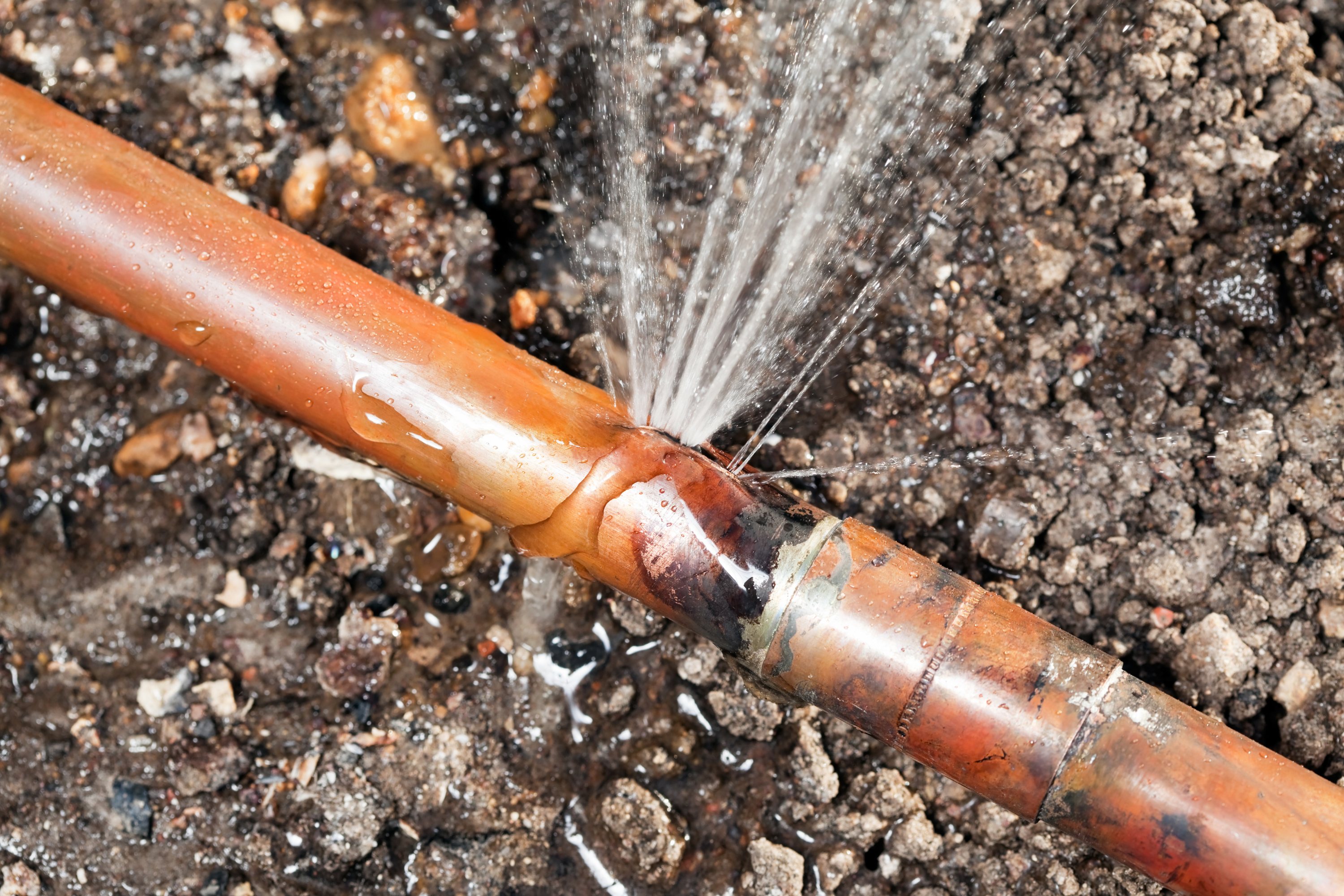
Outdoor water lines and irrigation pipes are highly susceptible to freezing. Drain them completely, and consider insulating any exposed pipes with foam sleeves or heat tape. This protects your system from bursts and water loss.
3. Protect Pumps and Valves
If you have pumps, valves, or filtration systems, make sure they’re in a weatherproof enclosure or insulated housing. Cold temperatures can freeze valves, damage pumps, and disrupt operations when you need water most.
Tip: Mount a camera nearby to verify that pumps and valves remain intact and accessible after a storm or freeze event.
4. Check Wellheads and Access Points
Wellheads and access points should be sealed and secure. Check for gaps, broken covers, or signs of wildlife activity that could compromise your system. Proper sealing protects water quality and reduces the risk of contamination.
5. Plan for Emergency Water Needs
Even with thorough winterization, severe weather may temporarily disrupt water access. Consider keeping backup water supplies or alternative systems on-site for livestock or critical infrastructure.
Tip: Remote cameras allow you to confirm water availability from afar, so you can plan trips or emergency interventions effectively.
Monitoring Infrastructure From Afar
Winterizing your water systems and infrastructure protects both your property and your peace of mind. But even the best preparations can’t prevent every issue. That’s where Barn Owl cameras come in: they provide real-time visibility of tanks, pumps, cisterns, and critical infrastructure, allowing remote property owners to detect problems early and respond without unnecessary trips.
By combining proactive fall prep with smart monitoring, you’ll be ready for whatever winter throws your way—keeping your property safe, operational, and stress-free.
Share


