Welcome to the Barn Owl Learning Center

Since our founding in 2017, Barn Owl has become a leader in providing security, real-time insight, operational efficiency and peace of mind across rural America. Our team of experts has build an in-depth knowledge base designed to answer your questions across industries and challenges. Browse our content below by key topic or by blog post date.

Key Topics Users Find Most Helpful
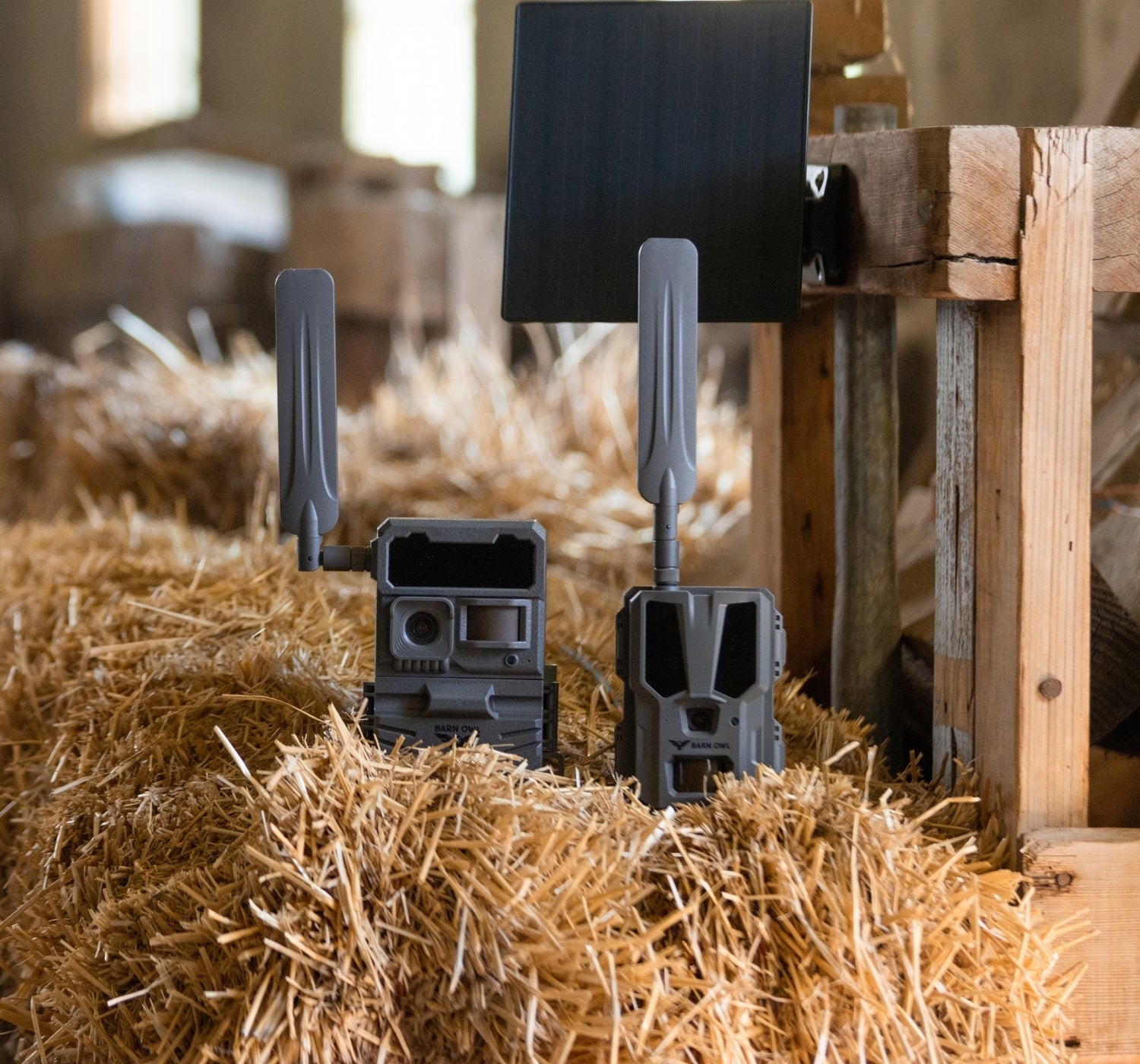
Barn Owl Blog

Barn Owl's team of experts have amassed decades of insights and knowledge into a series of helpful articles. Browse the latest news and posts below, including by topic tag.
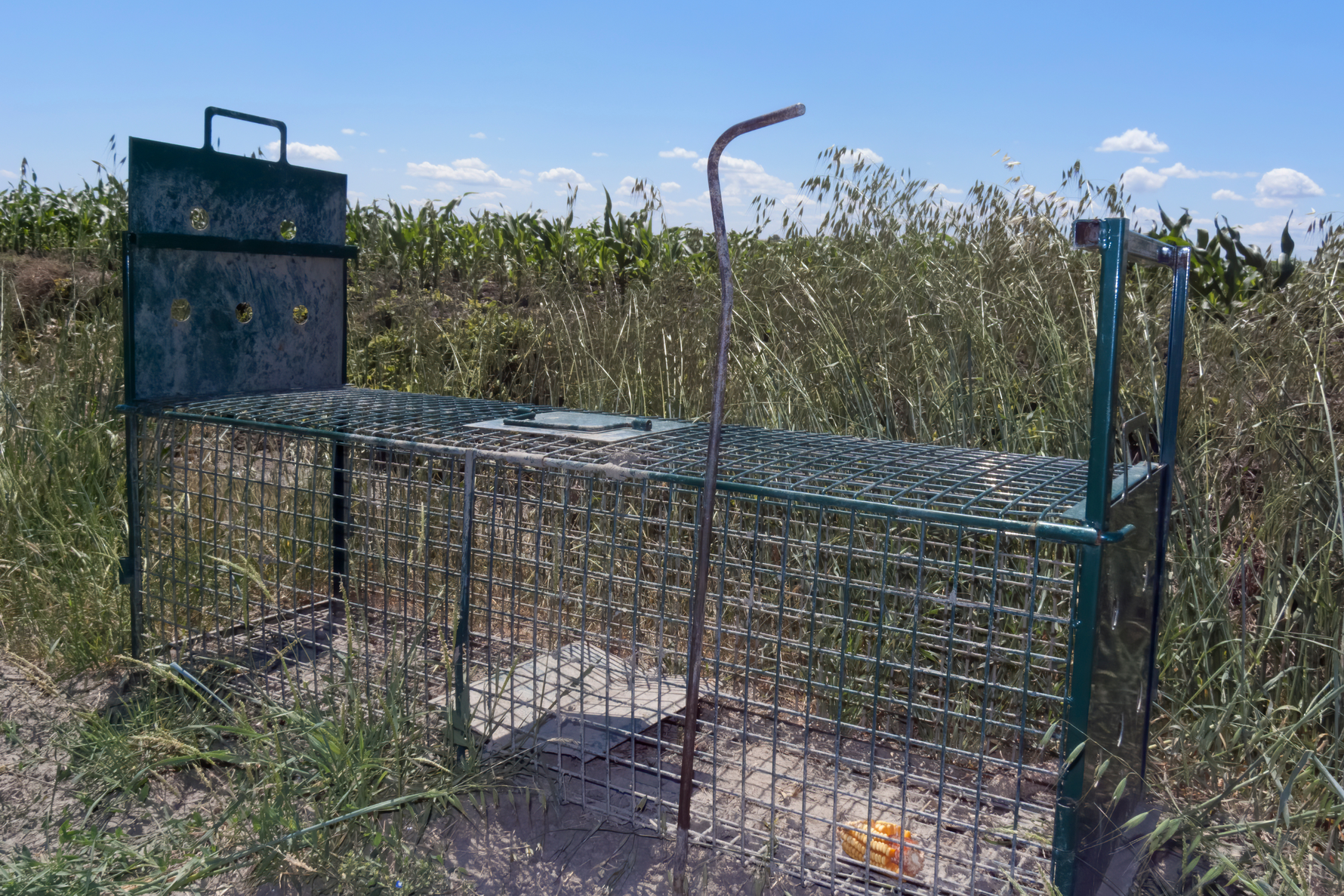
Trapping and Specialty Hunting: Rules, Timing, and Remote Monitoring
Barn Owl Blog

Trapping and Specialty Hunting: Rules, Timing, and Remote Monitoring

by on Sep 19 2025
Trapping and specialty hunting are important tools for wildlife management and property protection. These activities allow landowners to manage furbearers, predators, and other species that impact crops, livestock, or habitats, while also providing recreational opportunities. Common Species and Season Timing Typical species targeted in trapping and specialty hunting include: Coyotes Foxes Bobcats Raccoons Beavers While regulations vary by state, the primary trapping and specialty hunting seasons generally occur in fall and winter, with some species like coyotes available year-round in select states. Generalized Season Table by State: State Trapping Season Species Texas Fall – Winter Furbearers, Coyotes Arkansas Fall – Winter Furbearers Colorado Fall – Winter Furbearers Michigan Fall – Winter Furbearers Pennsylvania Fall – Winter Furbearers Note: Exact dates vary by region and species; always check your state wildlife agency before trapping. Equipment and Planning Trapping requires specialized equipment such as foothold traps, body-grip traps, and cage traps. Hunters and landowners must follow legal standards for trap placement, marking, and safety. Barn Owl cameras provide a modern advantage: Monitor trap lines remotely to check activity without disturbing wildlife unnecessarily Document predator movements and ensure legal compliance Protect property by alerting to unexpected wildlife presence near livestock or storage areas Legal Compliance and Safety Always verify trapping seasons and bag limits Use approved trap types and follow state guidelines Ensure traps are clearly marked and placed safely Takeaway Trapping and specialty hunting are both conservation tools and property protection measures. By combining traditional trapping methods with Barn Owl camera monitoring, landowners can manage wildlife more efficiently, reduce unnecessary field visits, and ensure both safety and compliance.
Furbearer and Predator Hunting: Seasons, Strategies, and Property Monitoring

Barn Owl Blog

Furbearer and Predator Hunting: Seasons, Strategies, and Property Monitoring
by on Sep 19 2025
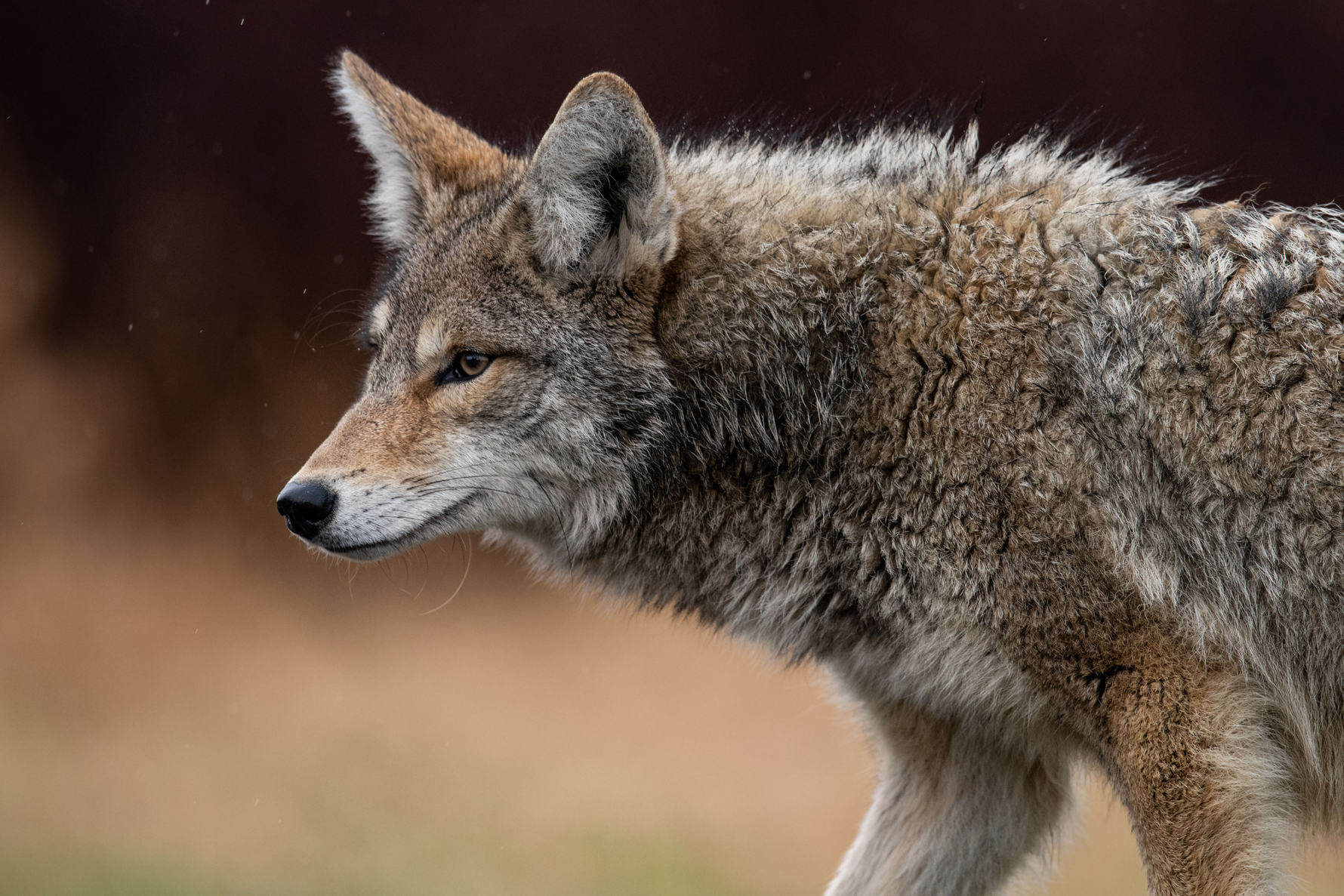
Furbearer and predator hunting is an important part of rural wildlife management. These species can impact property, livestock, and ecosystems, so regulated hunting and trapping help maintain balance while supporting recreational opportunities. Key Species and Season Timing Common furbearers and predators include: Coyotes Foxes Bobcats Raccoons Beavers While regulations vary by state, most species have designated fall and winter seasons, with some predators like coyotes being hunted year-round in many areas. Generalized Season Table by State: State Common Species General Season Timing Texas Coyotes, Foxes, Bobcats Year-round for coyotes; Fall/Winter for others Arkansas Coyotes, Bobcats, Foxes Fall/Winter Oklahoma Coyotes, Foxes, Bobcats Year-round for coyotes; Fall/Winter for others Colorado Coyotes, Bobcats, Foxes Fall/Winter Michigan Coyotes, Bobcats, Foxes Fall/Winter Note: Exact dates vary by region and species; always consult your state wildlife agency before hunting. Planning and Scouting Traditionally, furbearer hunting involves tracking, calling, and setting traps. While effective, this can require substantial time in the field and may disturb other wildlife. Barn Owl cameras offer a modern solution: Monitor predator activity remotely on your property Track movements near livestock, barns, and water sources Verify trap activity without constant physical checks This approach allows landowners to manage predators efficiently, maintain safety, and minimize unnecessary disturbance. Legal Compliance and Safety When hunting or trapping predators, it’s essential to: Follow state season and bag limits Use approved equipment and traps Clearly mark traps and hunting areas to prevent accidents Barn Owl cameras further enhance compliance by documenting wildlife activity and providing a visual record of your property during active seasons. Takeaway Furbearer and predator hunting is more than recreation—it’s a key component of rural land management. By combining traditional methods with Barn Owl camera technology, hunters and landowners can monitor populations, protect property, and make informed decisions year-round.
Small Game Hunting: Rabbits, Squirrels, and Upland Birds
Barn Owl Blog

Small Game Hunting: Rabbits, Squirrels, and Upland Birds

by on Sep 19 2025
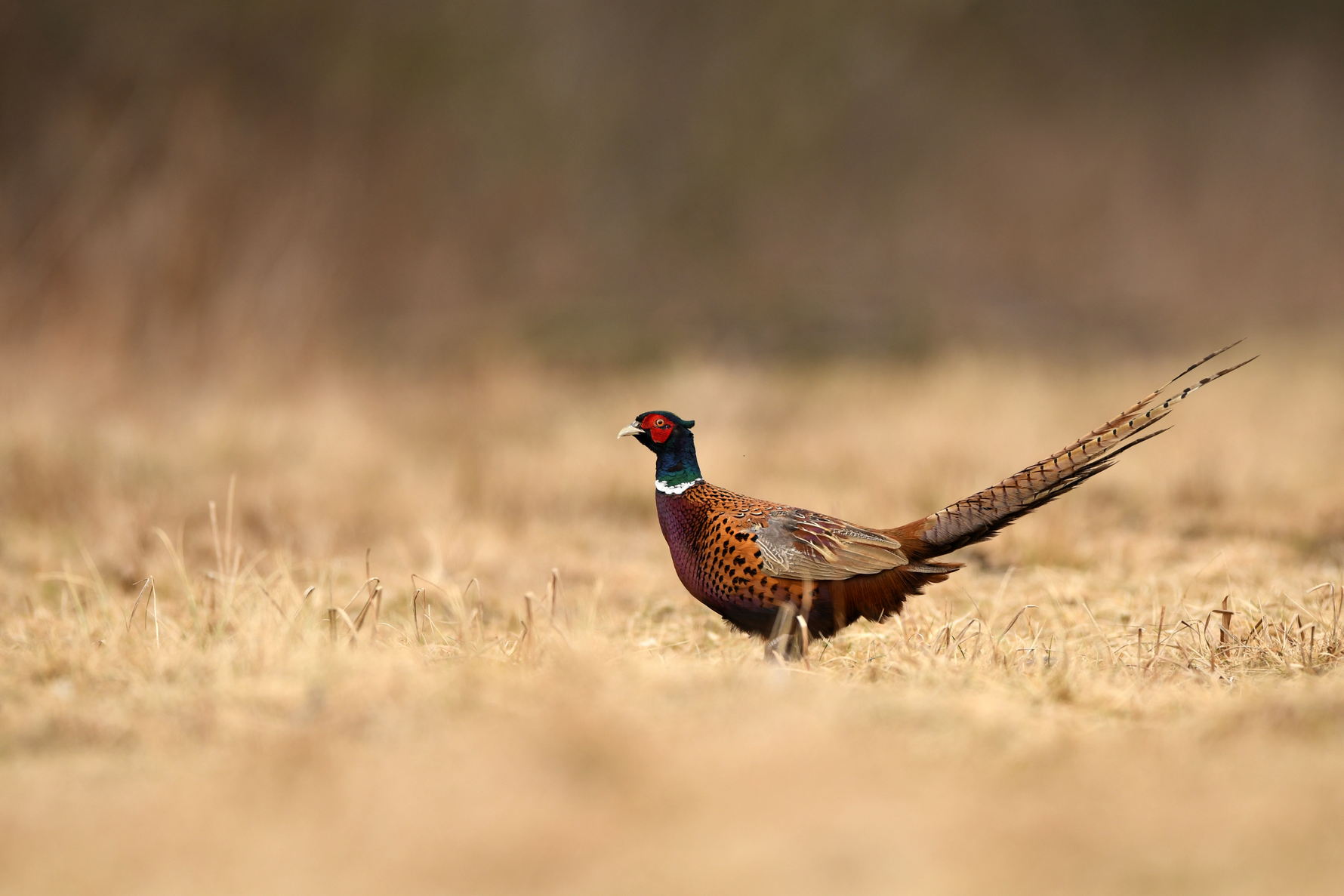
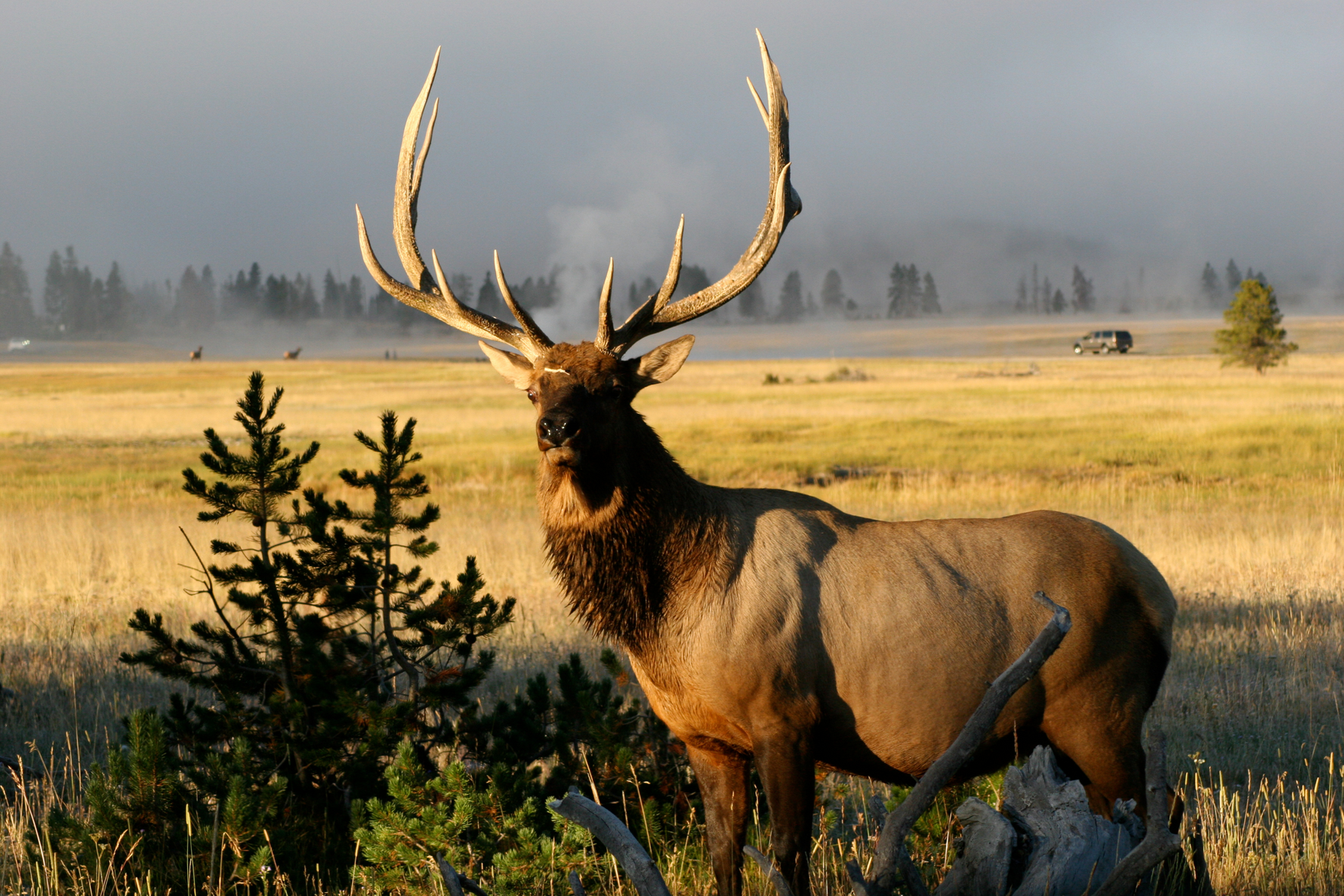
Small game hunting is a favorite fall activity for many rural hunters. While the scale may be smaller than big game, these hunts are no less exciting and require careful planning to comply with state regulations. Key Species and Season Timing Common small game species include: Rabbits and Hares – Typically hunted from late summer through winter, depending on the state. Squirrels – Usually early fall through late winter. Upland Birds – Pheasant, quail, grouse, and partridge often have seasons from early fall to mid-winter, varying by state and region. Weapons for small game hunting are versatile: hunters may use shotguns, small-caliber rifles, or archery equipment depending on regulations and personal preference. Small Game Hunting Season Openings by State State Typical Opening Date Species Texas Late September to early October Squirrel (East Texas), Rabbit Colorado Early September Squirrel, Rabbit, Pheasant Oklahoma Early October Squirrel, Rabbit, Pheasant Michigan Early September Squirrel, Rabbit, Pheasant Ohio Early October Squirrel, Rabbit, Pheasant Pennsylvania Early October Squirrel, Rabbit, Pheasant Wisconsin Early September Squirrel, Rabbit, Pheasant Planning and Scouting Traditional scouting for small game involves walking coverts, fields, and wooded areas to identify animal patterns and feeding areas. This can be time-consuming and may disturb wildlife if done excessively. Barn Owl cameras provide a modern solution: by remotely monitoring small game activity, hunters can track movement patterns and feeding times without constant foot traffic. Cameras placed in fields, coverts, and along trails offer real-time insights that inform hunting strategies while minimizing disruption to wildlife. Safety and Compliance Even with small game hunting, it’s important to follow all state regulations: Bag limits and daily harvest restrictions Zone-specific rules for protected or declining species Safe handling of firearms or archery equipment Takeaway Small game hunting rewards patience, observation, and adherence to regulations. Barn Owl cameras help hunters and landowners maximize efficiency, reduce disturbance to wildlife, and improve overall safety while enjoying a productive hunting season.
Big Game Hunting Season: Rules, Management, and Property Monitoring
Barn Owl Blog

Big Game Hunting Season: Rules, Management, and Property Monitoring

by on Sep 19 2025
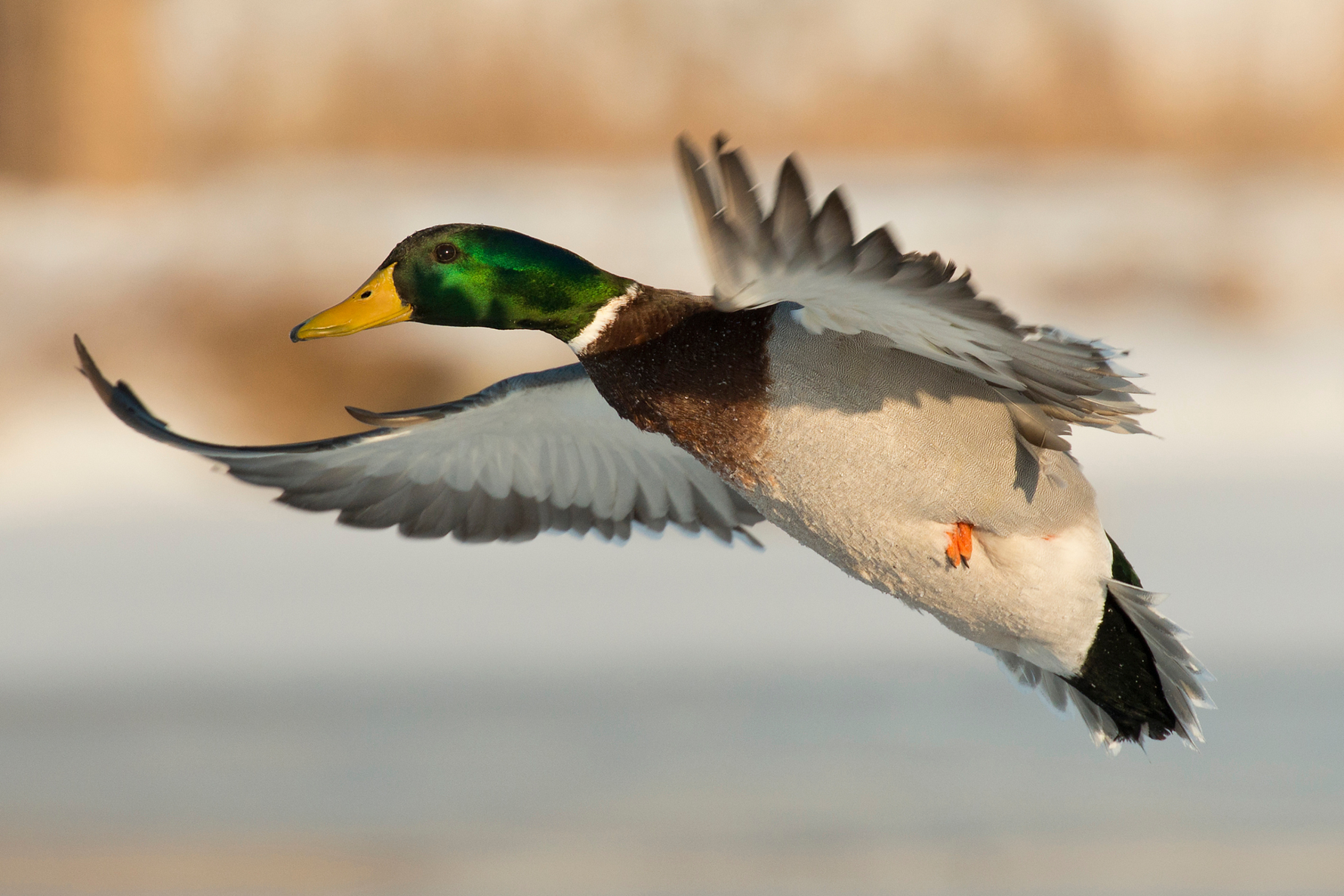
Big game hunting is one of the most popular fall activities in rural America, but it comes with a complex set of regulations designed to maintain sustainable populations and protect hunters. Understanding these rules is essential for a safe and successful season. State-Managed Seasons Unlike migratory birds, big game hunting is regulated primarily by state wildlife agencies. Species commonly included are: Deer (white-tailed, mule) Elk Moose Bear Pronghorn States typically establish weapon-specific seasons, including archery, muzzleloader, and rifle periods. Seasons can vary not only by species but also by region or wildlife management zone, with quotas or draw systems for more limited species like elk or bear. Big Game Hunting Season Openings by State State Typical Opening Date Species Texas Late November to early December White-tailed Deer, Mule Deer Arkansas Late September to early October White-tailed Deer Oklahoma Early October White-tailed Deer, Elk, Bear Colorado Late September to early October Mule Deer, Elk, Bear Michigan Early to mid-September White-tailed Deer, Bear Ohio Mid to late September White-tailed Deer Pennsylvania Late September White-tailed Deer New York Late October White-tailed Deer, Bear North Carolina Early October White-tailed Deer Georgia Early October White-tailed Deer Florida Late October White-tailed Deer California Mid to late October Black-tailed Deer, Mule Deer Arizona Late August to early September Mule Deer, Coues Deer Montana Late September to early October Mule Deer, Whitetail Deer, Elk Wyoming Late September Mule Deer, Elk Utah Late September Mule Deer, Elk Idaho Late September Mule Deer, Whitetail Deer, Elk Nevada Late September Mule Deer, Elk South Dakota Late September Mule Deer, Whitetail Deer, Elk Nebraska Late September Mule Deer, Whitetail Deer, Elk Montana Late September Mule Deer, Whitetail Deer, Elk Tags, Draws, and Harvest Limits Many states require hunters to obtain tags or permits for each species, often through a lottery or draw system. These measures ensure that hunting pressure remains sustainable and that populations remain healthy. Daily bag limits and possession limits further control harvest levels. Planning and Scouting Preparation is key for big game hunting. Traditionally, scouting involves spending hours walking trails, monitoring feeding areas, and noting animal patterns. Barn Owl cameras offer a modern solution: landowners and hunters can monitor big game activity remotely, tracking movements along trails, near food plots, and even around barns or storage areas. This technology allows hunters to plan more efficiently, reduce unnecessary foot traffic, and better manage their property throughout the season. Takeaway Big game hunting blends tradition, skill, and careful planning. By staying informed on regulations and leveraging technology like Barn Owl cameras, hunters and landowners can maximize both safety and success, while maintaining the health of local wildlife populations.
Migratory Bird Hunting Season: What You Need to Know

Barn Owl Blog

Migratory Bird Hunting Season: What You Need to Know

by on Sep 19 2025
Fall hunting season kicks off with one of the most popular pursuits for rural landowners: migratory bird hunting. Species such as doves, ducks, geese, snipe, and woodcock are governed by a mix of federal and state regulations to ensure sustainable populations and safe hunting practices. Federal vs. State Regulations The Migratory Bird Treaty Act sets the overarching framework for migratory bird hunting in the U.S., while individual states establish specific season dates, limits, and restrictions within that framework. For example, the nationwide dove season typically opens September 1, marking the unofficial start of fall hunting. Other species often have split seasons or early teal hunts, with opening dates staggered to match migration patterns. Ammunition Rules and Safety Many states require non-toxic shot for waterfowl and some other species, ensuring environmental safety. Hunters should also be aware of daily bag limits, special permit requirements, and zone-specific regulations that may differ even within a single state. Below is a table of states and general season timing for migratory bird species hunting. Exact dates vary by state and year; always check your state wildlife agency before hunting. General Season Table: State Species General Season Timing Texas Dove Early September – Early January Louisiana Teal Mid to Late September Florida Dove Late September – Late January California Duck Mid October – Late January Arkansas Teal, Duck Mid to Late September / Late November – Late January Georgia Duck, Canada Goose Early September – Late January Connecticut Canada Goose Early – Late September New Jersey Canada Goose, Duck Early September – End of December Pennsylvania    Light Goose, Duck Early October – Late February How Barn Owl Cameras Can Assist with Migratory Bird Hunting For landowners with ponds, wetlands, or crop fields, Barn Owl cameras offer a simple way to monitor bird activity remotely. Real-time alerts and time-lapse footage help identify peak migration periods and flock patterns, allowing hunters to plan trips efficiently while also keeping an eye on property. By using cameras to observe activity, landowners can minimize unnecessary disturbance, track wildlife year-round, and maintain better overall stewardship of their land. Takeaway Migratory bird hunting is as much about timing and observation as it is about marksmanship. With thoughtful planning, adherence to regulations, and modern tools like Barn Owl cameras, hunters and landowners can enjoy the season responsibly while protecting wildlife and property.
Security and Wildlife Monitoring in the Off-Season

Barn Owl Blog

Security and Wildlife Monitoring in the Off-Season

by on Sep 11 2025
Fall and winter bring more than just cold weather—they also bring changes in wildlife behavior and an increased risk of property theft or vandalism. For remote property owners, staying aware of what’s happening on your land is essential, especially when travel is difficult or access roads are snow-covered. Here’s how to protect your property and monitor wildlife this off-season—and how Barn Owl cameras make it easier. 1. Secure Buildings and Equipment Cabins, sheds, barns, and equipment storage areas are vulnerable when you’re not visiting regularly. Check locks, reinforce doors, and make sure windows or vents are properly sealed. Tip: Barn Owl cameras provide a remote security solution, letting you check for unauthorized activity in real time and receive alerts if motion is detected. 2. Monitor Seasonal Wildlife Fall migration and winter feeding patterns can bring wildlife into areas they normally avoid. Deer, elk, or predators may interact with fences, water systems, or even stored equipment. Understanding their patterns helps you protect your property and manage resources. Tip: Cameras can double as wildlife monitors, giving you insight into animal activity without disturbing them or having to make frequent trips. 3. Protect High-Value Assets Vehicles, ATVs, tools, and other equipment left outdoors or in unmonitored structures are at risk. Consider storing high-value items in secured areas or using additional locking mechanisms. Tip: Barn Owl cameras let you verify that high-value assets remain safe—even from hundreds of miles away. 4. Keep an Eye on Remote Roads and Gates Blocked roads or open gates can create hazards or invite trespassers. Monitor key access points remotely to confirm your property is secure and to know when conditions are safe for travel. 5. Plan for Winter Response Even with monitoring, emergencies can happen. Have a plan for responding to trespass, wildlife damage, or storm-related incidents. Keep emergency contacts and equipment ready so you can act quickly when needed. Staying Connected, Even When You’re Away Fall prep isn’t just about physical work—it’s about visibility and control. Barn Owl cameras allow remote property owners to stay connected to their land, track wildlife, and monitor security from anywhere. Real-time video, alerts, and sensor integration mean you can detect issues early, respond efficiently, and enjoy peace of mind all winter long. By combining physical preparations with smart remote monitoring, your property stays safe, resilient, and ready for the new year.

Showing 24/84