Welcome to the Barn Owl Learning Center

Since our founding in 2017, Barn Owl has become a leader in providing security, real-time insight, operational efficiency and peace of mind across rural America. Our team of experts has build an in-depth knowledge base designed to answer your questions across industries and challenges. Browse our content below by key topic or by blog post date.

Key Topics Users Find Most Helpful

Barn Owl Blog

Barn Owl's team of experts have amassed decades of insights and knowledge into a series of helpful articles. Browse the latest news and posts below, including by topic tag.

Essential Guide to Water Tanks for Cows

Barn Owl Blog

Essential Guide to Water Tanks for Cows

by on Mar 10 2025
Providing clean and adequate water supply is essential for maintaining the health and productivity of livestock, especially cows. Water tanks play a crucial role in ensuring that cows have access to the water they need. In this guide, we'll explore the different types of water tanks available, the benefits of using them, and key considerations when choosing the best water tank for your cows. Understanding the Importance of Water Tanks for Cows Water is vital for the overall health and well-being of cows. It aids in digestion, regulates body temperature, and is crucial for milk production. On average, a cow can drink between 30 to 50 gallons of water per day, depending on factors like size, diet, and weather conditions. Therefore, having a reliable water source is indispensable for cattle farming. Role of Water Tanks in Livestock Management Water tanks ensure a consistent and clean water supply, which is essential for preventing dehydration and other health issues in cows. Tanks are particularly useful in areas where natural water sources are scarce or where water quality is compromised. By using water tanks, farmers can manage and monitor water usage more effectively, ensuring that their livestock remains hydrated and healthy. Types of Water Tanks for Cows There are several types of water tanks suitable for cows, each with its own set of advantages and disadvantages. Understanding these options can help you make an informed decision. Portable Water Tanks Portable water tanks are designed for flexibility and convenience. They are ideal for use in temporary grazing areas or during events like cattle shows. These tanks are usually made from lightweight materials like plastic or polyethylene, making them easy to transport and set up. Benefits of Portable Water Tanks Flexibility: Easily moveable to different locations as needed. Cost-effective: Generally, more affordable than permanent tanks. Easy Maintenance: Simple to clean and maintain. Permanent Water Tanks Permanent water tanks are typically larger and constructed from durable materials like concrete or galvanized steel. These tanks are installed in fixed locations and are suitable for long-term use in pastures or barns. Benefits of Permanent Water Tanks Durability: Built to withstand harsh environmental conditions. Capacity: Can store large volumes of water, catering to bigger herds. Stable Supply: Ensures a reliable water source without the need for frequent refills. Automatic Waterers Automatic waterers are a modern solution that provides a constant supply of fresh water. These systems are equipped with sensors and valves that automatically refill the tank when water levels drop below a certain point. Benefits of Automatic Waterers Efficiency: Reduces the need for manual refilling. Freshness: Ensures cows always have access to clean water. Water Conservation: Minimizes water wastage. Remote Water Tank Monitoring Solutions Ensuring a consistent and clean water supply is paramount in livestock management. Barn Owl cameras  offer an innovative solution for remote monitoring of your water tanks.  With solar-powered functionality and connection to all the major U.S. cellular carriers, it provides uninterrupted performance, allowing you to monitor water levels and tank conditions in real-time without the need for on-site inspections.  Additionally, the system offers smart alerts and GPS mapping features, enhancing your ability to manage water resources efficiently.  Investing in such technology not only ensures the well-being of your herd but also optimizes operational efficiency.  Key Considerations When Choosing a Water Tank Selecting the right water tank for your cows involves several factors. Here are key considerations to keep in mind: Capacity and Herd Size The size of the water tank should match the needs of your herd. Larger herds require bigger tanks to ensure all animals have access to sufficient water. Consider both the daily water consumption of your cows and the number of cows you have when choosing a tank size. Material and Durability The material of the tank affects its durability and maintenance requirements. For instance, plastic tanks are lightweight and resistant to rust but may not be as durable as steel tanks. Concrete tanks are highly durable but can be expensive and require more effort to install. Location and Accessibility The location of the water tank is crucial for ensuring cows can access it easily. Tanks should be placed in central areas where cows frequently graze or congregate. Additionally, consider the ease of access for cleaning and maintenance. Climate and Weather Conditions Extreme weather conditions can affect the performance and longevity of water tanks. In colder climates, tanks may need to be insulated or equipped with heaters to prevent freezing. In hot climates, tanks should be shaded to prevent water from becoming too warm. Maintenance and Care for Water Tanks Proper maintenance of water tanks is essential to ensure they continue to provide clean and safe water for cows. Here are some maintenance tips: Regular Cleaning Regular cleaning prevents the buildup of algae, bacteria, and other contaminants. Use a brush and mild detergent to scrub the inside of the tank, and rinse thoroughly with clean water. How often you clean the tank will depend on factors like weather conditions and water quality. Inspect for Damage Regularly inspect the tank for signs of wear and tear, such as cracks, leaks, or rust. Promptly repair any damage to prevent water contamination and ensure a steady water supply. Monitor Water Quality Periodically test the water quality to ensure it is safe for consumption. Water should be free from harmful bacteria, chemicals, and debris. If necessary, install filtration systems to improve water quality. Conclusion Water tanks are an essential component of livestock management, providing cows with the water they need to thrive. By understanding the different types of water tanks available and considering factors such as capacity, material, and climate, you can choose the best solution for your herd. Regular maintenance and care will ensure your water tanks remain in good condition, contributing to the health and productivity of your cows. Investing in the right water tank not only benefits your livestock but also enhances the efficiency and sustainability of your farming operations. By prioritizing the water needs of your cows, you set the stage for a successful and productive agricultural venture.
Maintaining Clean Water in Horse Troughs

Barn Owl Blog

Maintaining Clean Water in Horse Troughs

by on Mar 10 2025
Maintaining clean water in a horse water trough is crucial for the health and hydration of your equine friends. It's not just about filling up the trough and leaving it be. There's a lot more to consider, from the type of trough you use to how you clean it. Whether it's a metal horse trough or a stainless-steel water trough, each comes with its own set of pros and cons. In this guide, we'll walk you through the process of maintaining clean water in horse troughs. We'll cover everything from horse trough dimensions to cleaning schedules, ensuring your horses have access to fresh, clean water at all times. Importance of Clean Water for Horses Clean water is essential for keeping horses healthy and hydrated. Dehydration can lead to severe health issues, including colic and kidney problems. Unclean water can harbor bacteria and algae, posing a threat to your horse's health. Drinking from a contaminated horse watering tank can result in illness. Providing fresh water encourages horses to drink more. Increased water intake supports digestion and nutrient absorption, vital for overall health. Water troughs must be free of debris and waste. Contaminants like manure or feed can affect water quality, impacting your horse's willingness to drink. Regularly check your horse drinking tub to ensure it is clean. Consistent monitoring and maintenance prevent potential health risks and keep your horses happy. Choosing the Right Horse Water Trough Selecting the right horse water trough is crucial for both practicality and the health of your horses. With so many options available, it's important to evaluate your specific needs and environment. There are numerous options, including a metal horse water trough and a galvanized metal water trough. Each has its own benefits in terms of durability and cost. A stainless-steel water trough is a popular choice for its rust resistance and hygiene. It's essential for environments that see a lot of rain or humidity. Consider the type of livestock you have and how many you'll be watering. Horses, cows, and other animals may require different troughs with specific features. Here's a list of key factors to consider when choosing a trough: Material type: metal, stainless steel, or galvanized Dimensions appropriate for your livestock Capacity to suit the number of animals Ultimately, the key is to find a balance between cost and quality. A cheap horse trough might save money initially but could require more frequent replacements. Materials: Metal, Stainless Steel, and Galvanized The material of the trough affects durability and water quality. Metal horse troughs offer strength and can withstand harsh weather conditions. Galvanized metal horse troughs are affordable and durable. However, they may pose a risk of zinc toxicity if not maintained properly. A stainless-steel horse trough is prized for being rust-resistant. It's a great choice for long-lasting, hygienic water storage. Trough Dimensions and Capacity The right horse trough dimensions ensure all animals can drink comfortably. Consider the number of horses you have and their drinking habits. A large horse water trough is ideal for multiple animals or larger herds. This reduces the need for frequent refills and ensures consistent water access. For smaller spaces or individual horses, a small horse trough may be more appropriate. It's crucial to provide easy access for foals and smaller breeds. Setting Up Your Horse Water Trough Proper setup of your horse water trough is essential for ensuring clean, accessible water. A well-planned location minimizes contamination risks. Place the trough in a shaded area to keep water cool during hot days. This not only improves palatability but also reduces evaporation rates. Also, ensure that the ground around the trough is solid and level. This helps prevent the trough from tipping over and causing injuries or spills. Location and Stability Choosing the right location impacts water quality. Avoid areas prone to mud or runoff, which can contaminate the water. Ensure the trough sits on a stable surface to prevent tilting. This minimizes the risk of spillage and keeps water clean. Accessibility and Safety Position the trough where all horses can easily reach it. This includes considering the needs of younger or smaller horses. Secure the trough properly to prevent accidents. An anchored setup ensures the trough remains upright and functional, even with active animals around. Maintaining and Cleaning Your Trough Maintaining cleanliness in your horse water trough is crucial. Regular cleaning prevents disease and ensures water remains appealing to horses. Start by emptying the trough. Remove debris like hay or leaves that may fall in. Use a scrub brush to clean the inside surfaces. Rinse thoroughly to remove all cleaning agents. Safe, non-toxic cleaners like vinegar or baking soda can be effective. Inspect the trough for any signs of damage or wear. Repair any leaks promptly to avoid water loss and potential contamination. Following these steps will keep your trough in optimal condition. Here’s a simple cleaning routine to follow: Empty trough once a week. Use a scrub brush and safe cleaner. Rinse thoroughly to remove residues. Inspect for any damages. Refill with fresh water immediately. Routine Cleaning Schedule Establishing a cleaning schedule is vital for water quality. It deters the buildup of grime and algae over time. Weekly cleaning is generally sufficient. However, adjust based on trough size, usage, and climate conditions. Monitor the water for any signs of contamination daily. This helps in timely cleaning, ensuring a consistent supply of clean water. Enhancing Trough Maintenance with Remote Monitoring Maintaining clean water in horse troughs is essential for equine health, but constant manual checks can be time-consuming. Barn Owl cameras  offer a solution by enabling remote monitoring of water levels and cleanliness. Barn Owl systems provide scheduled visual updates accessible via major carriers, including Verizon, AT&T, and T-Mobile. With 24/7 monitoring, you can promptly address issues such as contamination or low water levels, ensuring your horses always have access to fresh water. This technology not only enhances efficiency but also contributes to the overall well-being of your livestock.  Preventing Algae and Mosquitoes Algae can be persistent in horse troughs. Place the trough in a shaded spot to reduce sunlight exposure. Regular cleaning limits algae growth. To deter mosquitoes, ensure water is constantly moving, or consider using a trough cover when not in use. Water Quality and Horse Health Water quality directly affects horse health. Horses need clean and fresh water to stay hydrated. Contaminated water can lead to health issues, impacting their well-being. Regular inspections of the water supply help ensure quality. Check for clarity and odor before allowing access. Water that smells or looks off can discourage drinking. Consider adding water tests to your routine. Testing detects harmful bacteria or toxins that may not be visible. This proactive step protects your horses' health effectively. Monitoring Water Intake Monitoring horses' water intake is essential. Changes in drinking habits can signal health issues. Record the amount consumed daily. Noticing any reduction or increase in consumption promptly allows you to address concerns swiftly. Environmental Considerations Environmental factors can impact water quality significantly. Dust and debris often contaminate open troughs. Position troughs away from dusty areas. Providing covers can help keep out unwanted particles, maintaining water purity. Cost-Effective and DIY Trough Solutions Investing in a horse water trough doesn't have to be expensive. Many cost-effective options deliver both quality and longevity. Used or refurbished troughs provide a budget-friendly alternative while meeting basic needs. Creating a DIY trough is another practical solution. Recyclable materials like large plastic bins or barrels can be transformed into functional troughs. Ensure they are safe and free of harmful residues before use. When building your own trough, consider water capacity and stability. Ensure it holds enough water for your horses and is secure against tipping. A thoughtful approach to design can balance affordability and utility effectively. Conclusion: The Value of Clean Water for Your Horses Clean water in horse troughs is vital for equine health and well-being. Ensuring regular maintenance is essential for hydration and preventing disease. Careful trough selection, setup, and upkeep contribute to a healthy environment. Your efforts will provide your horses with the safe, clean water they need daily. Next up: Essential Guide to Water Tanks for Cows
Innovative Designs for Horse Water Troughs

Barn Owl Blog

Innovative Designs for Horse Water Troughs

by on Mar 06 2025
Horse owners and farm managers understand the importance of hydration for their equine friends. A horse water trough plays a crucial role in this, providing a constant supply of clean, fresh water. But not all troughs are created equal. From metal horse troughs to galvanized steel watering troughs, the options are vast. Each type comes with its own set of benefits and considerations, including durability, ease of cleaning, and cost-effectiveness. Innovative designs have also entered the market, offering features like automatic waterers and solar-powered options. These advancements aim to make horse hydration easier and more efficient than ever before. In this article, we'll explore the latest and most innovative designs for horse water troughs. We'll guide you through the various materials, dimensions, and features available, helping you select the best water trough for your needs. The Importance of Hydration for Horses Hydration is critical for a horse's health and well-being. Horses, like all animals, rely heavily on water to regulate their body temperature and maintain vital bodily functions. A lack of water can lead to severe health issues, including dehydration and heat stress. Ensuring access to clean water is not just about quantity but also quality. Horses need fresh, uncontaminated water to avoid illnesses. Regularly replenishing and cleaning their water troughs can prevent the growth of harmful bacteria and algae, promoting a safe drinking environment. Exploring Horse Water Trough Materials Choosing the right material for a horse water trough is crucial. Different materials offer unique benefits and challenges. It's important to consider these aspects when selecting a trough that suits your needs. Each material comes with its own set of advantages and durability levels. Metal, galvanized metal, and stainless steel are popular choices for their strength and longevity. These materials often offer superior performance in various weather conditions, ensuring a consistent water supply. Additionally, selecting the correct material can impact maintenance and water quality. Some troughs are designed to minimize contamination and are easier to clean. It's vital to evaluate which material aligns best with your environment and care practices. Metal Horse Troughs Metal horse troughs are known for their durability. They are less likely to crack or break compared to plastic alternatives. This durability makes them ideal for outdoor use where they face harsh conditions. Additionally, metal horse troughs can withstand bumps and scrapes from curious horses. Their robust construction ensures a long lifespan, making them a cost-effective choice over time. Galvanized Metal Horse Troughs Galvanized metal troughs offer an added layer of protection. The galvanization process involves coating the metal with zinc. This helps prevent rust and corrosion. These troughs are especially beneficial in wet environments. They maintain their integrity and appearance longer than non-galvanized options. This makes them a reliable choice for maintaining clean water. Stainless Steel Water Troughs Stainless steel troughs are favored for their water purity. They are resistant to rust and are easy to clean, which helps keep water uncontaminated. High-end equestrian facilities often use stainless steel for their superior hygiene benefits. These troughs are also aesthetically pleasing and add a touch of elegance, complementing any sophisticated setup. Horse Trough Dimensions and Capacity Selecting the correct dimensions for a horse water trough is essential. The size influences not only water availability but also accessibility for the animals. Appropriate dimensions ensure that horses of varying sizes can easily reach the water. Capacity is another critical factor to consider. It should match the needs of the herd, ensuring everyone has ample access. Large troughs are ideal for communal watering, reducing the frequency of refills. Meanwhile, smaller troughs might suit individual stables or limited space areas. These careful considerations ensure optimal hydration for all horses while maintaining convenience in management. Cost-Effective and Durable Solutions When it comes to horse water troughs, balancing cost with durability is key. A good trough should endure weather exposure and horse interactions. Durable materials often save costs over time due to less frequent replacements. Sturdy construction is vital for long-lasting use. Investing in a reliable trough means fewer maintenance issues, which translates to savings. A blend of quality and affordability ensures the best value for horse owners and farmers alike. Cheap Horse Trough Options Affordable horse troughs don't have to compromise on quality. There are budget-friendly options that maintain essential features. These troughs can meet the basic needs of hydration without the extra cost of luxury designs. Galvanized Steel Watering Troughs Galvanized steel watering troughs offer a great balance of cost and strength. They resist rust, which enhances longevity. These troughs prove economical, especially for larger pastures or communal setups, providing both durability and affordability. Innovative Features in Modern Horse Troughs Today's horse troughs come with advanced features aimed at efficiency. These modern innovations cater to both horse needs and owner convenience. Embracing new technology in design, they ensure clean and accessible water all year. Enhanced features such as automation reduce manual labor. These advancements not only save time but also ensure reliable hydration. It's a step forward in equine care, aligning with the needs of modern-day livestock management. Automatic Waterers and Float Valves Automatic waterers offer a seamless watering solution. They ensure constant water supply without manual refilling. This feature is perfect for busy schedules and guarantees consistent hydration. Float valves maintain the ideal water level. They prevent overflow and wastage, making them highly efficient. Together, these features contribute to sustainable water management, reducing unnecessary use while ensuring availability. Insulation and Solar-Powered Options Insulation in horse troughs prevents water from freezing in cold months. This feature is crucial for maintaining access in winter. It ensures horses can drink freely without ice forming. Solar-powered options bring eco-friendliness to the forefront. They offer a way to utilize renewable energy for trough operations. These features not only promote sustainability but also reduce electricity costs over time, making them a wise investment. Safety and Maintenance Considerations Safety and ease of maintenance are essential for any horse water trough. Regular upkeep ensures the health of your horses. It also prolongs the lifespan of the trough, making it a worthwhile investment. Neglected troughs can become breeding grounds for bacteria. Adequate maintenance prevents such issues. Additionally, considering safety features can help mitigate injury risks, providing peace of mind for caretakers. Cleaning and Algae Prevention Keeping a trough clean is crucial. Regular cleaning helps prevent algae, which can taint water quality. Simple designs often make maintenance tasks less cumbersome. Algae thrive in sunlight and stagnant water. Choosing shaded areas or troughs with covers can mitigate growth. This precaution ensures horses always drink from a clean and safe source. Design Features for Horse Safety Safety in design reduces injury risks. Troughs with smooth, rounded edges are preferable. They minimize harm from accidental contact during play or roughhousing. Material choice also influences safety. Durable materials withstand rough use without breaking. Opt for designs that securely anchor the trough, preventing tipping and spillage, which can lead to accidents. Ensure Optimal Water Quality with the Barn Owl Water Tank Bundle Maintaining clean water is vital for your horses' health, and regular monitoring plays a crucial role in preventing contamination. Barn Owl  offers a comprehensive solution to keep a vigilant eye on your water sources, ensuring they remain fresh and safe. Key Features: Real-Time Monitoring: Barn Owl cameras provide live images and videos of your water tanks, allowing you to detect and address issues like algae growth promptly. Wide Coverage: With support for major carriers including Verizon, AT&T, and T-Mobile, you can monitor even the most remote tanks without connectivity concerns. Easy Installation: The system is designed for a quick 5-minute setup, getting you up and running with minimal effort. Cost-Effective: Currently available at a discounted price of $279 and includes a free 3-month basic plan. By integrating Barn Owl cameras into your maintenance routine, you can proactively manage water quality, ensuring your horses have access to clean and safe drinking water at all times. Customization and Additional Uses Customization options are increasingly popular for equine and multi-livestock care. Tailored trough designs meet specific farm needs, accommodating unique space layouts. Custom designs ensure water access for all animals, regardless of herd size or grazing conditions. Adaptable troughs cater to various uses beyond hydration. Some can integrate feeding systems, reducing infrastructure needs. Such multi-functional designs can cut costs and simplify management, making them ideal for diverse farm operations. Troughs for Cows and Other Livestock Troughs designed for cows and other livestock must meet specific needs. They should withstand different feeding and hydration behaviors. Some designs can easily switch from equine to bovine use, offering flexibility for multi-species farms. Portable and Multi-Use Troughs Portable troughs provide convenience. They're perfect for temporary setups or events. Being lightweight, these troughs are easy to relocate wherever needed. Multi-use troughs enhance versatility. They can serve as both water and feed stations, simplifying logistics. Such designs are practical for dynamic agricultural environments. Conclusion Innovative horse water troughs improve hydration and offer versatile designs for equine care. Selecting the right trough enhances the well-being of horses and other livestock. Prioritizing features like durability, safety, and customization ensures practical solutions for diverse farm environments. Modern innovations continue to simplify animal hydration management, benefiting both owners and animals. Next up: Maintaining Your Stock Tank Year-Round
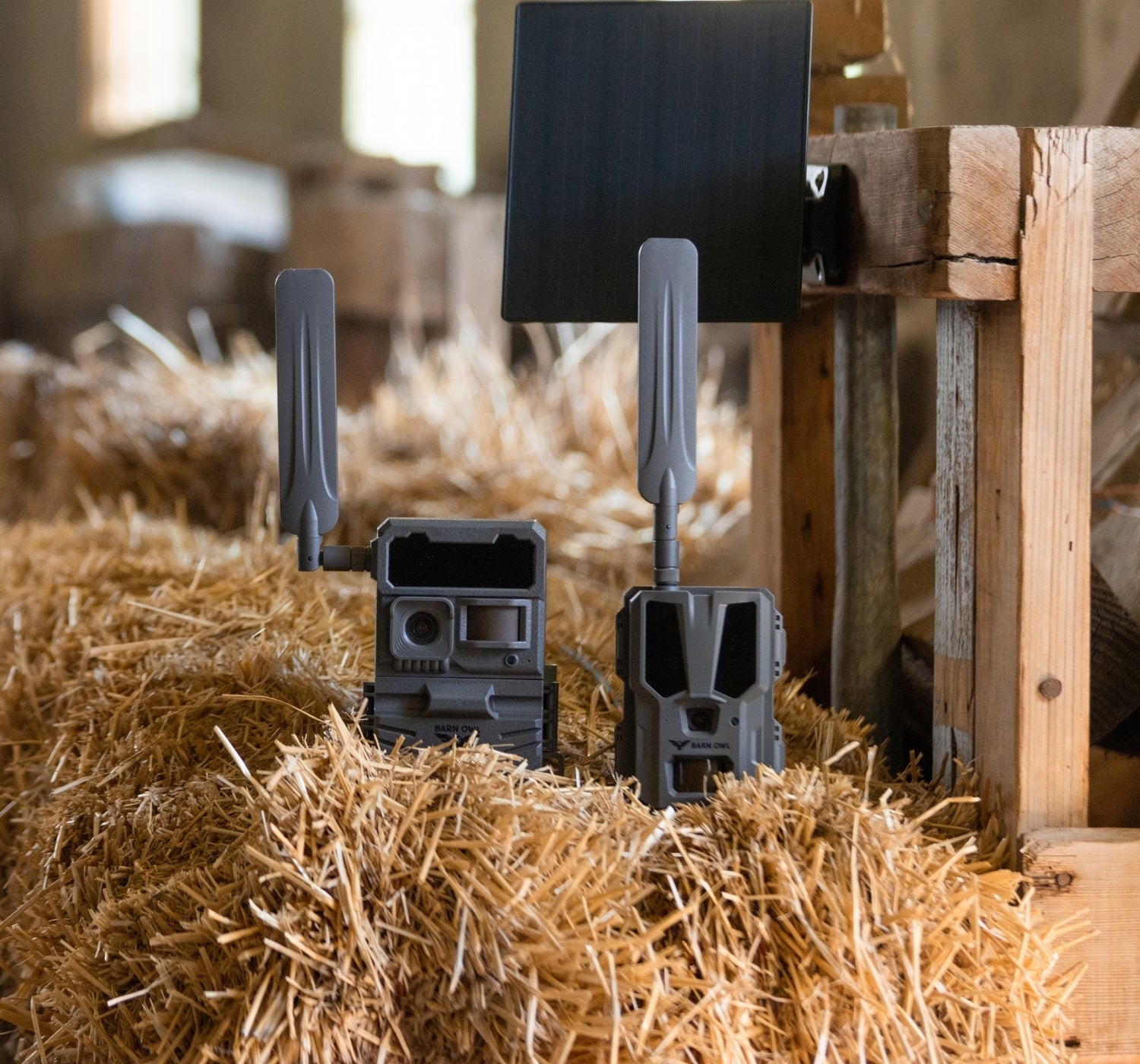
Comparison Guide: Best Camera Lens for Remote Monitoring and Security

Barn Owl Blog

Comparison Guide: Best Camera Lens for Remote Monitoring and Security

by on Oct 15 2024
When it comes to purchasing cameras for remote monitoring and security, you’re often left with having to choose between two different lens types: Standard Angle or Wide Angle. It can be difficult to understand which is the best camera lens for your needs so we’ve created this guide to help make your decision easier. ‍ ---------- ‍ Remote Monitoring: Wide Angle Lens If your primary user case for the camera is monitoring, we recommend a wide angle lens. Wide Angle Lenses are great for inside interiors such as barns and maintenance facilities. Wide angle lenses are also ideal for situations where you want to be able to see more of the surrounding area around a specific asset. A good example are water tanks. Using a wide angle lens around your water tank would provide enough coverage to be able to conduct basic spot checks of the number of cattle and other livestock around the tank. ‍Wide Angle Lens: Benefits Wider field of view to capture more of the surrounding area Easily monitor interior spaces such as Barns and Maintenance Facilities with fewer cameras ‍ Remote Security: Standard Angle Lens If your primary use case is security, then a standard lens is likely the more appropriate camera lens for you. What you lose in field of view (width), you make up for with clarity and details on specific objects. A standard lens can also detect motion from much further away. Oftentimes, we recommend that a user install a standard lens camera and wide angle lens camera side-by-side for optimal monitoring and security coverage.  ‍Standard Angle Lens: Benefits Capture more detail from further distance Motion Detection from further distance ‍ ---------- When considering which camera lens option to go with, you should also consider the DORI Principles. DORI stands for: Detection, Observation, Recognition, and Identification. DORI is a general proximity measurement that provides an easy way to select the best wireless camera for the objects or areas you wish to observe at the level of detail you need. The Image above illustrates what the image will capture within each stage of the DORI measurements.  ‍What does DORI stand for? [D] Detection: At the detection level, an image provides just enough detail to determine if a person, vehicle, or animal is present.  [O] Observation: At the observation level, an image provides some characteristics or details of an animal, individual, or vehicle. Details can include the color of clothing with some details around specific styles of clothing. The Image will also provide some of the surrounding details surrounding the focal area.  [R] Recognition: At the recognition level, an image will provide a high degree of detail. Though not perfect, the details provided at the recognition level will allow a viewer to determine, with confidence, whether or not certain individuals or animals or vehicles have been seen or identified before.  [I] Identify: The identification level is the most accurate, most detailed of the levels. At the identification level, a viewer can easily identify an individual or animal or vehicle beyond a reasonable doubt. ‍ ----------‍ Without going into detail regarding how DORI is calculated, we’ve created the charts below to illustrate how the Barn Owl Cameras align with the DORI measurements. By using this chart, you can find the camera and camera lens that is right for you. To learn more about DORI including understanding wireless camera photos and what impacts photo quality, follow this link. ‍ Click here to view the chart at full size. Wide Angle Cameras from Barn Owl: RangeCam 4G (lens: 100) Standard Angle Cameras from Barn Owl: RangeCam 4G Standard (Lens: 52) RangeCam Mini Standard (Lens: 58) ---------- ‍ Ready to shop for your next camera. Visit the Barn Owl store to find the model that is right for you. ‍ Shop Now ‍
Barn Owl's Role in American Kestrel Research: An Interview with Stuart Smith

Barn Owl Blog

Barn Owl's Role in American Kestrel Research: An Interview with Stuart Smith

by on Jul 26 2024
Introduction Could you briefly introduce yourself and your organization? We work under the auspices of the local Audubon Society with about 40 volunteers who are monitoring about 200 nest boxes that have been placed around Washington state. Periodically, they monitor these nesting boxes for birds. Primarily we are interested in American Kestrels and we visit nest boxes four or five times a season. We really wanted monitoring between these visits. Can you give an overview of your research on American Kestrels? What are the main goals and objectives? American Kestrels are the smallest native North American raptor and their numbers are in decline.  If this trend continues they will be placed on the endangered species list. Our goal is to determine what impacts the population and how to reverse this damaging pattern to save the species.   American Kestrel nesting.  Use of Barn Owl Tech Cameras What led you to use Barn Owl cameras in your research? When I was doing the original search at the beginning of last year, I looked up outdoor cameras which had cell capability and external power sources. At the time, Barn Owl was the only result that my internet search provided. What specific features of Barn Owl cameras make them suitable for studying Kestrels? Solar power and cellular reliability, and the ReachCam magnifying lens allows excellent detailed photos. Can you describe how these cameras are set up and used in the field? The cameras are mounted at the top of a nesting box which allows undisturbed monitoring of the nest boxes between volunteer visits.     What kind of data do these cameras provide, and how do you analyze it? Photos of all stages of Kestrel development from egg to adult. This provides valuable information about the nesting habits and behaviors of these birds. We also see what is affecting the nest boxes such as predators and disease.   “We have a number of scientists and world renowned experts on raptors overseeing this project. This provides the perfect laboratory for our studies and we intend to continue for many years. Barn Owl provides real time views, a more complete picture, which is helping our research - and the species.” Discoveries in Kestrel Nesting Behavior What are the previously unknown Kestrel nesting behaviors that your team has discovered? We theorized the food chain impacted Kestrels. Mice and grasshoppers follow food and grain plots, then Kestrels arrive, and then other birds such as woodpeckers create tree hollows. This is where Kestrels nest. We found an area which had plenty of food and adult Kestrels, but no breeding pairs. We determined predatory corvids and raptors would watch the tree hollows and eat the adults. Nest boxes with cameras allow us to keep an eye on breeding pairs, their offspring, and future generations. Another view of an American Kestrel nesting. Future with Barn Owl Would you use Barn Owl for other studies? There are no other studies planned at this time, however our current project has a long term goal and lifespan. We intend to expand with Barn Owl. Conclusion Barn Owl's innovative solutions have been a game-changer, not just for American Kestrel research but for other conservation and agricultural needs. Take the McPhee family, for example—they've been able to expand their farm to 500 acres thanks to Barn Owl's remote monitoring solutions, helping their operations run smoothly. Ranchers are also loving Barn Owl cameras, using them to keep an eye on water tanks and livestock even in the toughest conditions, which helps them manage resources better and take great care of what they care about.     All images courtesy of Stuart Smith.
Choosing the Right Mount for Your Camera

Barn Owl Blog

Choosing the Right Mount for Your Camera

by on Jul 11 2023
One Mount to Rule Them All: The Barn Owl Universal Mount   If you’re looking for a mount that just works—no matter where you need to put your camera—then the Barn Owl Universal Mount is your best bet. Instead of stressing over whether you need a strap, screw, or clamp, the Universal Mount gives you all of the above in one package. Whether you’re mounting to a tree, a wooden post, a metal T-post, or even a fence, you’ve got a secure, stable solution. And the double ball mount means you can easily adjust your camera and solar panel for the perfect angle—because what good is a camera if it's not pointing in the right direction? Other Mounts: Purpose-Built for Specific Needs If you know exactly where your camera is going and don’t need the flexibility of the Universal Mount, these options could be a good fit: For Wood or Trees: Tough Mount – If you’re mounting to trees or wooden posts and want maximum grip, this one’s got a self-tapping screw and rock-solid hold. RAM Screw Mount – Built for harsh conditions, this heavy-duty, marine-grade aluminum mount is for those who need something extra tough (and it comes with a lifetime warranty). For Flat Surfaces Like Barns & Buildings: RAM Wall Mount – Same idea, but with infinite adjustability and a lifetime warranty. Great if you want to fine-tune your camera’s positioning. For T-Posts, Poles, & Other Narrow Surfaces: Standard Clamp Mount with Ball Head – Perfect for mounting to T-posts, small poles, or windmills. Easy to install, holds steady. RAM Clamp Mount – A step up in durability with the RAM Tough-Claw system, which securely clamps onto oddly shaped objects and can be repositioned easily. So, Which One is Right for You? If you like simplicity and flexibility, the Universal Mount is the best choice—hands down. It covers all major mounting scenarios and makes adjustments easy. Either way, we’ve got you covered. Still not sure? Reach out—we’d be happy to help you pick the right mount for your setup!

Showing 90/93