Welcome to the Barn Owl Learning Center

Since our founding in 2017, Barn Owl has become a leader in providing security, real-time insight, operational efficiency and peace of mind across rural America. Our team of experts has build an in-depth knowledge base designed to answer your questions across industries and challenges. Browse our content below by key topic or by blog post date.

Key Topics Users Find Most Helpful

Barn Owl Blog

Barn Owl's team of experts have amassed decades of insights and knowledge into a series of helpful articles. Browse the latest news and posts below, including by topic tag.

Solar Trail Cameras: Features and Advantages

Barn Owl Blog

Solar Trail Cameras: Features and Advantages

by on Mar 31 2025
Solar trail cameras are revolutionizing the way we observe and interact with the natural world. They offer a sustainable and efficient solution for wildlife monitoring, property surveillance, and more. Harnessing the power of the sun, these cameras provide an uninterrupted power supply. This is especially useful in remote locations where traditional power sources are not available. But what sets solar trail cameras apart from their traditional counterparts? This article will delve into the features and advantages of solar trail cameras. We'll explore how they work, their environmental and economic benefits, and key features to look for when purchasing one. Whether you're an outdoor enthusiast, a wildlife researcher, or a property owner looking for surveillance options, this guide will provide valuable insights. Join us as we explore the world of solar trail cameras and how they're shaping sustainable practices in wildlife observation and beyond. Understanding Solar Trail Cameras Solar trail cameras combine cutting-edge technology with renewable energy. These devices use solar panels to convert sunlight into electricity, powering the camera. They are often deployed in forests, fields, and other remote areas, serving as the eyes of nature enthusiasts and researchers. This technology eliminates the need for frequent battery replacements. Solar-powered trail cameras are specifically designed to endure outdoor conditions. They can withstand rain, snow, and heat, ensuring consistent performance. Their robust construction and energy-efficient operation make them ideal for various applications, from tracking wildlife to monitoring properties. How Solar Trail Cameras Work Solar trail cameras operate using integrated solar panels. These panels capture sunlight and convert it into energy, which powers the camera. During sunlight hours, the panels charge internal batteries, storing energy for nighttime or low-light use. This ensures continuous operation. When motion is detected, the camera awakens from standby mode to capture images or video. Modern models can even send images to your device remotely. This technology provides a self-sustaining energy source, enabling the camera to function autonomously for extended periods. The Environmental and Economic Benefits Solar trail cameras offer numerous benefits beyond mere functionality. One major advantage is their environmental impact, significantly reducing battery waste. By harnessing solar energy, these devices lower carbon emissions. They contribute to more sustainable wildlife monitoring practices. Moreover, solar trail cameras provide cost savings over time. Users save money on battery replacement costs by relying on renewable energy. Key benefits of solar trail cameras include: Reduction in battery waste and environmental footprint. Cost-effective energy source with long-term savings. Minimal maintenance due to self-sustaining technology. They also reduce the need for human interaction, minimizing disturbance to wildlife. This feature is vital for conservation efforts. Furthermore, the initial investment in solar trail cameras pays off due to their longevity and durability in harsh environments. These benefits make solar trail cameras an optimal choice for eco-conscious consumers and professionals. Key Features of the Best Solar Trail Cameras The finest solar trail cameras boast features that enhance performance and user experience. High-resolution cameras ensure crisp, clear images, crucial for effective monitoring. Night vision capabilities are essential for round-the-clock observation, using infrared technology to capture nocturnal activity. Motion detection and trigger speed are vital for capturing fleeting moments. Connectivity features, such as Wi-Fi or cellular access, allow for remote data retrieval. This is invaluable for real-time monitoring and quick data access. Durability is non-negotiable in outdoor environments, with weatherproof designs to withstand adverse conditions. Efficient power management extends functionality during low sunlight. Consider these key features when choosing a solar trail camera: High-resolution imaging for detailed captures. Advanced night vision for 24/7 monitoring. Quick trigger speed for capturing fast action. Reliable connectivity options for ease of use. Durable, weather-resistant construction. Efficient solar and power management systems. Image Quality and Night Vision Image quality is paramount in capturing fine details in wildlife photography. High-resolution lenses ensure that every image is sharp and vivid. Night vision technology expands the utility of solar trail cameras. These cameras employ infrared sensors for capturing images in complete darkness. This capability is essential for monitoring nocturnal species. It ensures that nothing goes unnoticed, regardless of the time of day. High-quality images and effective night vision are indispensable for researchers and wildlife enthusiasts. Motion Detection and Trigger Speed Motion detection is a critical feature of solar trail cameras. Built-in sensors detect movement and activate the camera quickly. Trigger speed measures the time from motion detection to image capture. A faster trigger speed means fewer missed opportunities. Quick detection and rapid response are vital for capturing fast-moving subjects. This ensures high-quality, real-time wildlife monitoring. Choosing a camera with superior motion sensors and trigger speed ensures every important moment is recorded. Connectivity and Remote Access Modern solar trail cameras offer connectivity features for enhanced functionality. Wi-Fi and cellular options allow data transfer without manual retrieval. This remote access feature enables users to monitor activities in real-time. It's especially useful for cameras placed in hard-to-reach locations. Such connectivity allows for instantaneous alerts and data management, keeping users informed. Rapid access to images and video can be essential for both leisure and research purposes. Opt for cameras with reliable connectivity to maximize efficiency and ease of use in monitoring applications. Advantages Over Traditional Trail Cameras Solar trail cameras offer several significant advantages over traditional models. They harness solar energy for power, eliminating dependency on replaceable batteries. This sustainable power source ensures continuous operation. Solar technology enhances reliability, even in secluded areas lacking electrical access. Environmentally friendly, solar trail cameras lower your carbon footprint. This aligns with eco-conscious values and promotes sustainable technology usage. Moreover, these cameras are versatile, suiting hunting, wildlife research, and property surveillance. They provide advanced features often absent in conventional trail cameras. Ultimately, investing in solar models enhances performance and supports environmental responsibility. They represent a forward-thinking choice for modern trail monitoring needs. Uninterrupted Power and Reliability A key benefit of solar trail cameras is their reliable power supply. Unlike battery-dependent models, solar-powered cameras operate without interruption. Solar panels continually recharge their internal batteries. This ensures the camera remains operational, even during extended field deployments. Solar cameras are ideal for remote monitoring. They maintain functionality where battery replacement is inconvenient or impractical. Their reliable power reduces downtime. Users can trust that their cameras will capture every moment without power-related failures. Cost Savings and Longevity Solar trail cameras offer notable cost efficiency. They reduce the need for frequent battery replacements, cutting ongoing expenses significantly. Solar panels extend the lifespan of a camera's power source. This longevity reduces the need for frequent maintenance and part replacements. Over time, solar trail cameras may lower operational costs. Initial investment is offset by long-term savings on power and maintenance. Durable and reliable, these cameras offer a wise financial choice. They are sustainable both economically and environmentally, perfect for budget-conscious consumers. Choosing the Right Solar Trail Camera for Your Needs Selecting a solar trail camera involves assessing your specific requirements. Different models offer various features to suit diverse applications. Consider factors like image quality and battery life. High-resolution images and long-lasting power enhance camera effectiveness. Evaluate the camera's durability in harsh conditions. Weather-resistant designs ensure reliable performance in extreme environments. Look for additional features that enhance functionality. Consider motion detection range, connectivity options, and ease of installation. Key features to consider include: Resolution and image quality Battery capacity and solar efficiency Weather resistance and durability Connectivity options like Wi-Fi or cellular Ease of installation and setup Considerations for Wildlife Monitoring and Property Surveillance For wildlife monitoring, opt for a camera with superior trigger speed. This ensures quick response to animal movements. Night vision is crucial for capturing nocturnal wildlife. Look for models with infrared capabilities for clear night images. Property surveillance requires discreet, well-camouflaged cameras. Stealthy designs prevent detection, improving security. Choose cameras with remote access for property monitoring. They allow you to view footage from afar, enhancing convenience and security. When selecting a solar trail camera, it's essential to choose a model that aligns with your specific monitoring needs. Barn Owl offers a range of cellular solar trail cameras designed for off-grid property surveillance, game tracking and hunting, and water tank monitoring. These cameras provide high-definition images and videos, ensuring you capture every detail of wildlife activity.  Installation is straightforward, allowing you to set up the camera and solar panel in just five minutes. Barn Owl also offers contract-free monthly plans starting at $7, giving you flexibility in managing your monitoring needs. For more information on Barn Owl cameras, please visit www.barnowl.tech  Conclusion: Embracing Solar Technology for Trail Cameras Solar technology transforms the trail camera industry. It offers benefits like cost savings, reliable power, and environmental sustainability. Adopting solar trail cameras enhances wildlife monitoring and property surveillance. They represent a smart, eco-friendly choice, making them a valuable investment for outdoor enthusiasts and property owners alike. Next up: How to Choose a Solar Trail Camera
How to Choose a Solar Trail Camera

Barn Owl Blog

How to Choose a Solar Trail Camera

by on Mar 31 2025
Choosing the right trail camera can be a daunting task. With so many options available, it's easy to feel overwhelmed. Enter the solar trail camera. This eco-friendly option offers a sustainable solution for outdoor enthusiasts, hunters, and property owners alike. Solar trail cameras harness the power of the sun, reducing the need for battery replacements. This not only saves you money but also contributes to a greener planet. But how do you choose the best solar trail camera for your needs? What features should you look for? And how do these cameras compare to traditional models? This guide will answer all these questions and more. We'll explore the benefits and key features of solar trail cameras to help you make an informed decision. Whether you're a seasoned hunter or a wildlife enthusiast, this guide will help you navigate the world of solar trail cameras. Understanding Solar Trail Cameras A solar trail camera is a camera designed for outdoor use that is powered by solar energy. Unlike traditional trail cameras, which rely on replaceable batteries, these cameras use solar panels to recharge their internal batteries. This makes them ideal for long-term monitoring of wildlife or property without frequent battery changes. Solar-powered models typically come equipped with high-efficiency solar panels that charge even on cloudy days. These cameras capture images and videos when triggered by motion. They're perfect for tracking game or monitoring remote areas. Solar trail cameras often include features like infrared for night vision and high-resolution images. The integration of solar technology means less environmental impact and lower operating costs. As you explore your options, consider what specific features align with your needs and environment. Familiarity with solar trail cameras will make choosing the right model easier and more efficient. Benefits of Solar-Powered Trail Cameras Solar-powered trail cameras offer numerous advantages over traditional battery-operated models. They harness solar energy, reducing the frequency of battery replacements and lowering operational costs. These cameras provide more sustainable and eco-friendly options for outdoor monitoring.  Key benefits include: Long-term cost savings Environmental friendliness Reduced maintenance Continuous operation in remote areas Additionally, solar trail cameras minimize the chances of downtime. Consistent power is crucial in remote or inaccessible locations. Their autonomy allows them to function for extended periods without human intervention. This makes them especially useful for wildlife monitoring and security surveillance. Key Features to Look for in a Solar Trail Camera Choosing the right solar trail camera involves evaluating several key features. These features will ensure the camera meets your specific needs and provides reliable performance. Image quality is paramount for capturing clear, detailed images. Resolution impacts the quality of photos and videos you collect. Trigger speed affects how quickly the camera captures an image after detecting motion. A fast recovery time is also crucial for capturing multiple events in quick succession. Battery life coupled with solar panel efficiency determines how long the camera will operate. Ensure the solar panel can replenish the battery effectively under varying weather conditions. Night vision capabilities, enhanced by infrared technology, allow for clear images in low-light conditions. This is essential for monitoring nocturnal wildlife. Storage options, such as SD cards or cloud storage, provide flexibility in saving captured data. Connectivity options, including cellular and Wi-Fi, enable remote monitoring and real-time alerts. Key features to consider: Image quality and resolution Trigger speed and recovery time Battery life and solar panel efficiency Night vision and infrared technology Storage and connectivity options Image Quality and Resolution The image quality and resolution of a solar trail camera are vital. High resolution ensures that images and videos are sharp and detailed. Look for cameras offering HD and full resolution options. These levels provide clarity in images, allowing for clear identification and analysis. Trigger Speed and Recovery Time Trigger speed determines how fast the camera captures an image after detecting motion. It ensures quick responses to movement. Similarly, recovery time affects how soon the camera is ready for the next shot. A short interval between captures is ideal for high activity areas. Battery Life and Solar Panel Efficiency Battery life is crucial for continuous operation. Ensure the camera’s battery can hold power effectively. The efficiency of the solar panel directly impacts battery life. Higher efficiency panels collect more energy, enhancing camera functionality. Night Vision and Infrared Technology For monitoring activities after dark, night vision is critical. Infrared technology allows for clear images in low-light conditions. Look for cameras with no-glow infrared LEDs. These are less likely to startle wildlife, ensuring natural behavior is observed. Storage and Connectivity Options Assess storage options like SD cards, which provide flexible data management. Consider models offering expandable storage and cloud storage options. Connectivity options, such as cellular or Wi-Fi, facilitate remote access. They allow you to receive alerts and monitor footage in real time. Solar Panel Quality and Placement The quality of the solar panel is a critical factor in a solar trail camera's overall performance. High-quality panels convert sunlight into energy efficiently, ensuring your camera remains powered for extended periods. Placement of the solar panel significantly impacts its effectiveness. Position the panel where it will receive maximum sunlight throughout the day. Avoid shaded areas and ensure the panel faces the sun directly for optimal exposure. Consider the panel's durability, especially if your camera is in harsh environmental conditions. A weather-resistant panel can endure rain, snow, and intense sunlight without degradation. Adjustable panel mounts allow you to fine-tune the angle for better energy collection. This flexibility can be crucial in maximizing solar power intake, especially in challenging locations. Weather Resistance and Durability Weather resistance is crucial for the longevity of a solar trail camera. Outdoor conditions can be tough, with elements like rain, wind, and temperature fluctuations. A weather-resistant design protects your investment. Durability goes hand in hand with weather resistance. Look for a rugged build that can withstand knocks and bumps. A sturdy housing ensures that the camera operates smoothly in various conditions, providing reliable performance over time. Cellular Connectivity and Remote Access Cellular connectivity is a powerful feature in solar trail cameras. It allows users to access camera data remotely. This feature is especially useful in hard-to-reach areas. With a cellular trail camera, you can receive live updates. This capability ensures you never miss crucial footage. It provides instant access to photos and videos. Remote access allows you to manage settings from afar. Adjust the camera's features without physical intervention. This flexibility enhances convenience and control. Reliable cellular connectivity depends on a good network signal. Ensure your chosen camera supports strong cellular networks. This consideration will optimize remote functionality. Installation and Maintenance Tips Installing a solar trail camera properly is key to its performance. Position the camera where it can capture the most sunlight. This ensures efficient solar charging. Routine maintenance is equally important. Regularly clean the camera lens and solar panel. This prevents dirt build-up that could affect image clarity and energy efficiency. Final Considerations Before Purchasing When considering your options, Barn Owl camera models stand out as exceptional choices for solar-powered trail cameras. These cameras are designed for off-grid use, offering high-resolution photos and videos, built-in GPS, motion detection, and no-glow illumination for 24/7 remote security.   Installation is straightforward, typically taking less than five minutes, and the cameras are powered by solar panels in addition to having a backup battery chamber, ensuring continuous operation. Barn Owl offers contract-free subscription plans, allowing you to choose a plan that fits your seasonal or year-round requirements. Additionally, their Barn Owl Care program provides lifetime replacements and upgrades, covering theft, vandalism, accidental damage, and technical failures beyond the standard two-year warranty. Barn Owl Care – Barn Owl Tech By choosing Barn Owl, you're investing in a reliable, efficient, and eco-friendly solution for your solar trail monitoring needs. For more information on Barn Owl, please visit www.barnowl.tech Next up: Maintenance Tips for Solar Trail Cameras
Comparing Solar vs. Battery-Powered Trail Cameras

Barn Owl Blog

Comparing Solar vs. Battery-Powered Trail Cameras

by on Mar 31 2025
In the vast expanse of rural and commercial agriculture, security is paramount. The need for efficient remote monitoring systems is undeniable. Enter trail cameras, a game-changer in rural security. These devices offer a vigilant eye over your property, capturing crucial data day and night. But not all trail cameras are created equal. The choice between solar and battery-powered models can be daunting, especially when technical jargon clouds the decision-making process. This article aims to clear the fog. We'll delve into the world of solar trail cameras, highlighting their benefits and how they stack up against traditional battery-powered units. We'll simplify the technical aspects, translating them into tangible benefits for your business. By the end, you'll have a comprehensive understanding of why solar trail cameras could be the smart choice for your agricultural needs. So, let's embark on this journey of discovery, comparing solar vs. battery-powered trail cameras. Understanding Trail Cameras and Their Importance in Agriculture Trail cameras are more than simple surveillance devices. They serve as silent sentinels, monitoring vast agricultural lands. Their role in securing properties cannot be understated. They capture images and videos of activities in remote areas, sending alerts to property owners. This vigilance is crucial for preventing theft and monitoring wildlife. In agriculture, trail cameras also provide valuable data. They can help track livestock movements and monitor crop health. With various models available, choosing the right trail camera means understanding their functions. It's about balancing features with your specific needs for security and productivity. Solar Trail Cameras: How They Work and Their Advantages Solar trail cameras harness the sun’s energy to operate efficiently. This technology is a sustainable alternative to traditional battery-powered models. The setup involves a solar panel connected to the camera. The panel absorbs sunlight and converts it to electricity, powering the camera. A key advantage is their ability to function off-grid. They are ideal for remote agricultural locations with limited power access. Solar trail cameras significantly reduce the need for battery replacements. This leads to cost savings over time. Their maintenance is minimal. Installing a solar trail camera is straightforward, with some offering easy plug-and-play features. Consider the following advantages: Environmentally Friendly: Sustainable with reduced battery waste. Cost-Effective: Fewer recurring expenses. Efficient Operation: Reliable in remote areas. The trend towards solar models is driven by these advantages. They offer a modern solution for vigilant farm monitoring. Key Benefits of Solar Trail Cameras for Rural Security Solar trail cameras offer unique benefits for rural security. They provide a robust system of vigilance without frequent maintenance needs. These cameras function in various weather conditions. Their solar panels are designed to absorb sunlight efficiently even on cloudy days. They enhance property surveillance by offering continuous operation. This uninterrupted monitoring becomes a crucial deterrent against potential intrusions. Additionally, solar trail cameras possess the versatility to cover vast areas. They can be easily repositioned to adjust to different security needs. The integration with modern technology allows real-time updates. This connectivity ensures prompt action if any unusual activity is detected. Battery-Powered Trail Cameras: Traditional Choice with Limitations Battery-powered trail cameras have been a staple in surveillance for years. They offer a simple setup without the need for sunlight. These cameras rely entirely on replaceable batteries. As a result, regular maintenance for battery replacements becomes necessary. One limitation is their operation longevity. Frequent monitoring of battery levels is crucial to ensure continuous functionality. Despite their effectiveness, they often require additional costs. Purchasing new batteries can add up over time. In remote locations, replacing batteries can be inconvenient. This factor might hinder the overall security efficiency in rural settings. Comparing Costs: Solar vs. Battery-Powered Over Time Investing in trail cameras involves cost considerations. Initially, solar trail cameras might seem pricier than battery-powered ones. However, solar models prove cost-effective over time. They reduce the ongoing expenses associated with frequent battery purchases. Battery-powered trail cameras accrue costs as their batteries need regular replacement. Solar models, conversely, harness free, renewable energy. The cumulative expenses of batteries can outweigh the upfront solar investment. These long-term savings are significant. A simplified cost comparison is as follows: Solar Trail Cameras: Initial higher costs, but long-term savings. Battery-Powered Cameras: Lower upfront costs, but consistent battery expenses. Features to Consider When Choosing the Best Solar Trail Camera Selecting the best solar trail camera requires attention to specific features. These key aspects ensure optimal performance and long-term satisfaction. Start by considering image quality. High-resolution cameras provide clearer images, essential for monitoring and identifying details. Fast trigger speed is another crucial feature. A quick response time ensures the camera captures every important moment efficiently. Next, evaluate the field of view. A broader coverage area enhances surveillance capabilities. Additionally, check for robust build quality. Cameras must withstand harsh weather conditions typically found in rural settings. Advanced solar trail cameras offer cellular connectivity. This feature allows real-time alerts and remote monitoring for added security. For instance, Barn Owl cameras  are designed to perform in any condition or location. It offers high-resolution photos and videos, motion detection, and no-glow illumination, delivering 24/7 remote security. The Barn Owl Care program also provides a lifetime warranty and covers theft and accidental damage replacements.  Consider the following checklist when selecting a solar trail camera: Image quality and resolution Trigger speed Field of view Durability and weather resistance Cellular connectivity options These features ensure effective monitoring, providing peace of mind for property owners. Cellular Connectivity and Real-Time Monitoring Cellular connectivity in solar trail cameras is a game-changer. It provides instant updates and access to real-time footage. This connectivity enhances surveillance capabilities. Property owners can monitor events as they happen, regardless of their location. Accessing real-time data allows for immediate response to potential threats. This feature increases the security of rural properties. Furthermore, cellular-enabled cameras often come with user-friendly apps. These apps facilitate easy management and viewing of captured images. Installation and Maintenance: Solar vs. Battery-Powered Installing solar trail cameras is a straightforward process. Their main advantage is independence from electrical sources, simplifying placement in remote areas. Solar panels also reduce maintenance needs. Unlike battery-powered alternatives, there's no frequent battery replacement, minimizing maintenance trips. However, proper panel positioning is crucial. Ensure panels receive optimal sunlight exposure for uninterrupted operation. Battery-powered cameras might seem convenient due to their portability. Yet, they demand ongoing attention due to battery depletion. While they don’t rely on sun exposure, constant battery replacement adds to maintenance efforts. Choose based on convenience versus long-term upkeep ease. Weather Resistance and Durability in Rural Environments Solar trail cameras are designed to endure harsh conditions. High-quality models withstand rain, dust, and extreme temperatures. For rural applications, durability is paramount. Reliable casings protect sensitive components from environmental damage. This ruggedness ensures continuous performance, providing reliable security coverage year-round. Enhancing Farm Productivity with Solar Trail Cameras Solar trail cameras are transforming farm and ranch management. They offer reliable surveillance, minimizing risks from theft and wildlife intrusion. By using them, farmers and ranchers gain vital insights. Real-time monitoring informs about crop conditions, livestock safety, and equipment integrity. Solar-powered cameras help track daily operations. Farmers can promptly address issues, preventing potential losses. They also play a role in optimizing resources. Cameras monitor irrigation systems, ensuring efficient water usage. Solar trail cameras support environmental sustainability. They help reduce reliance on non-renewable energy, aligning with eco-friendly farming practices. The Role of Solar Trail Cameras in Smart Farm Technology Solar trail cameras integrate seamlessly with smart farm systems. They provide data essential for modern precision agriculture. These cameras monitor diverse variables. This allows better control over farm resources and processes. Through connectivity, farmers receive updates on their smartphones. This ensures they remain informed, enhancing operational efficiency. Conclusion: Making the Smart Choice for Your Agricultural Needs Choosing between solar and battery-powered trail cameras impacts your farm’s security. Solar options provide sustainability and long-term savings. For remote agricultural properties, solar trail cameras excel. They offer reliability where access to electricity is limited. Call-to-Action: Invest in Solar Trail Cameras for Enhanced Security and Efficiency Now is the time to enhance your farm's security setup. Solar trail cameras are a smart investment for the future. Maximize farm productivity and reduce maintenance hassles. Choose solar technology to safeguard your business and environment. Explore the benefits of solar trail cameras today. Invest in smarter, sustainable security solutions tailored for agricultural needs. Next up: Advantages of Battery-Operated Security Cameras
Ultimate Guide to Cellular Trail Cameras

Barn Owl Blog

Ultimate Guide to Cellular Trail Cameras

by on Mar 31 2025
In the ever-evolving world of outdoor technology, cellular trail cameras have emerged as indispensable tools for hunters, wildlife enthusiasts, and even property owners looking for security solutions. These devices offer the convenience of remote monitoring and the ability to capture images and videos in real-time, making them a popular choice for many. However, with a plethora of options on the market, selecting the right one for your needs can be daunting. This comprehensive guide will help you navigate the world of cellular trail cameras, ensuring you make an informed decision. What is a Cellular Trail Camera? Before delving into the best options available, it's essential to understand what a cellular trail camera is. Unlike traditional trail cameras that require you to retrieve the SD card physically, cellular trail cameras send images and videos directly to your phone or email via cellular networks. This feature is particularly useful for monitoring remote areas without frequent visits. Understanding Cellular Technology in Trail Cameras Cellular technology in trail cameras allows for wireless transmission of data to a connected device. These cameras use SIM cards similar to mobile phones, tapping into cellular networks to send images and videos. This capability eliminates the need to physically retrieve the media, offering significant convenience. Types of Cellular Trail Cameras There are several types of cellular trail cameras, each designed for different needs. Some are optimized for high-resolution video capture, while others focus on long battery life or enhanced connectivity. Understanding these variations can help you choose the right model tailored to your specific requirements. Key Differences from Traditional Trail Cameras Traditional trail cameras require manual retrieval of SD cards to view footage, which can be time-consuming, especially in remote areas. In contrast, cellular trail cameras provide real-time updates directly to your device, allowing for immediate action based on the data received. This advancement significantly enhances their utility and efficiency. Benefits of Using Cellular Trail Cameras Cellular trail cameras offer numerous advantages that make them a preferred choice for various applications. From convenience to versatility, these devices provide significant value to users. Convenience and Accessibility One of the primary benefits of cellular trail cameras is their convenience. By receiving instant updates, you save time and effort. This feature is especially beneficial for hunters who want real-time information about wildlife movements or property owners who need immediate alerts for security purposes. Real-Time Monitoring The real-time monitoring capability of cellular trail cameras allows users to receive immediate notifications of activity. Whether you're tracking wildlife or monitoring property, this feature ensures you're always in the loop, enabling quick decision-making. Remote Accessibility With cellular trail cameras, you can access footage from anywhere with a cellular signal. This remote accessibility means you can monitor your camera's feed without being physically present, offering unparalleled convenience for users with busy schedules or those monitoring multiple locations. Reduced Physical Visits The convenience of receiving data remotely reduces the need for frequent physical visits to check the camera, saving time and travel costs. This reduction in necessary trips is particularly advantageous for cameras placed in hard-to-reach or distant locations. Versatility and Applications Cellular trail cameras are versatile tools. Whether you're using them for hunting, wildlife research, or security, they provide valuable insights and data. They can be strategically placed to monitor game trails, feeding sites, or entry points around a property. Wildlife Monitoring For wildlife enthusiasts and researchers, cellular trail cameras provide a non-intrusive way to observe animals in their natural habitats. These cameras can help track animal behavior, migration patterns, and population dynamics without human interference. Security and Surveillance Property owners use cellular trail cameras as part of their security systems to monitor entry points and deter potential intruders. The ability to receive instant alerts allows for timely responses to any suspicious activity, enhancing overall security. Environmental Research Environmental researchers utilize these cameras to study ecosystems, document biodiversity, and monitor environmental changes over time. Cellular trail cameras can capture critical data that contribute to conservation efforts and environmental awareness. Cost Efficiency While the initial investment might be higher than traditional trail cameras, cellular models can save money in the long run by reducing travel costs and providing timely information that can prevent potential threats or losses. Long-Term Savings The reduced need for physical visits translates into significant savings on travel expenses over time. Additionally, the ability to receive timely alerts can prevent potential losses, whether from property damage or missed opportunities in hunting. Investment in Technology Investing in a cellular trail camera is an investment in advanced technology that enhances efficiency and effectiveness. The upfront cost is often offset by the benefits of real-time data access and the potential to mitigate risks. Preventive Measures By providing immediate insights, cellular trail cameras enable users to take preventive measures against potential threats. Whether it's deterring trespassers or adjusting hunting strategies, the timely data can lead to better outcomes. Key Features to Consider When selecting a cellular trail camera, several features should guide your decision. Understanding these features will help you choose a model that meets your specific needs and preferences. Image Quality High-resolution images and videos are crucial, especially if you need detailed visuals. Look for cameras with HD and full-resolution image and video capabilities. Video Capabilities In addition to still images, consider the camera's video capabilities. HD video can provide a more comprehensive view of the scene, capturing movement and behavior that still images might miss.  Night Vision and Infrared Many cellular trail cameras come equipped with night vision and infrared technology, allowing them to capture clear images in low-light conditions. This feature is essential for monitoring nocturnal wildlife or ensuring property security at night. Battery Life Trail cameras are often left unattended for extended periods, making battery life a critical factor. Opt for models with long-lasting batteries or those compatible with solar panels for continuous power. Solar Power Options Some cameras offer solar power compatibility, providing an eco-friendly solution for continuous power. Solar panels have rechargeable batteries, reducing the need for battery replacements and ensuring the camera remains operational. Power Management Features Advanced power management features, such as automatic shut-off or sleep modes, help conserve battery life. These features are particularly beneficial for cameras in locations with limited access, ensuring they remain functional for extended periods. Most trail cameras use power only when triggered, saving battery life in the long run. Detection Range and Trigger Speed A camera with a wide detection range and fast trigger speed ensures you capture the action as it happens. Ideally, look for cameras with a detection range of 60 feet or more and a trigger speed of less than 0.5 seconds. Importance of Detection Range The detection range determines how far the camera can sense movement, impacting its ability to capture relevant activity. A longer detection range is beneficial for covering larger areas and ensuring no movement goes unnoticed. Trigger Speed Specifications Trigger speed refers to the time it takes for the camera to capture an image once motion is detected. A faster trigger speed ensures you capture fast-moving subjects, which is crucial for wildlife monitoring and security applications. Field of View Considerations In addition to detection range and trigger speed, consider the camera's field of view. A wider field of view provides a broader perspective, increasing the chances of capturing relevant activity within the camera's range. Data Plans and Connectivity Different cameras offer various data plan options. Evaluate the cost and coverage of each plan to ensure it meets your needs. Strong cellular connectivity is essential for timely data transmission. Choosing the Right Data Plan Selecting the appropriate data plan is crucial for ensuring uninterrupted service. Consider factors such as data limits, coverage areas, and monthly costs to find a plan that aligns with your usage patterns and budget. Network Compatibility Ensure the camera is compatible with cellular networks in your area. Some cameras are designed for specific carriers, so verify that your chosen model supports the network with the best coverage in your location. Connectivity Features Advanced connectivity features, such as remote access via mobile apps, enhance the camera's functionality. These features ensure you receive timely updates and can manage the camera settings remotely. Durability and Weather Resistance Outdoor equipment must withstand the elements. Ensure your chosen camera is weatherproof and durable enough to handle harsh conditions. Weatherproof Design A weatherproof design is crucial for protecting the camera from rain, snow, and extreme temperatures. Look for cameras with an IP rating that indicates resistance to dust and water, ensuring reliable performance in various environments. Rugged Construction Rugged construction materials, such as reinforced housings and impact-resistant exteriors, enhance the camera's durability. These features protect the device from physical damage, extending its lifespan and ensuring it can withstand outdoor conditions. Maintenance and Longevity Regular maintenance and proper care can prolong the life of your trail camera. Follow manufacturer guidelines for cleaning and storage to keep the camera in optimal condition, ensuring consistent performance over time. Barn Owl Tech Cellular Cameras  Barn Owl offers a range of cellular trail cameras designed for remote surveillance, wildlife monitoring, and property security. Their products aim to provide users with reliable and efficient monitoring solutions, even in areas without Wi-Fi connectivity. Key Features of Barn Owl Cameras Remote Surveillance: Barn Owl cameras utilize cellular networks to transmit images and videos directly to your device, enabling real-time monitoring without the need for physical retrieval. Users can choose image quality between SD, HD, HD+ and Full Resolution in each camera's settings. Durable Design: Built to withstand various environmental conditions, these cameras are IP66-rated, ensuring protection against dust and heavy rainfall, and operate in conditions between -13 to 140 degrees Fahrenheit. Extended Battery Life: With efficient power management, Barn Owl cameras can operate for extended periods, reducing the frequency of maintenance visits. Camera bundles include solar panels and/or AC power adapters in order to provide continuous power supply. Motion Detection: Equipped with PIR sensors, the cameras detect movement 65-75 away and trigger recordings as fast as 0.25 seconds, ensuring relevant activity is captured. Barn Owl's cellular trail cameras offer valuable features for those seeking remote monitoring solutions. To learn more about Barn Owl camera options, please visit www.barnowl.tech  How to Set Up Your Cellular Trail Camera Setting up a cellular trail camera involves a few straightforward steps. Proper installation ensures optimal performance and reliable data transmission. Selecting the Optimal Location Choose a strategic location for your camera where it has a clear view of the area you want to monitor. Consider factors such as elevation, angle, and environmental conditions to maximize coverage and effectiveness. Consideration of Surroundings Evaluate the surroundings to ensure the camera is placed in a location that minimizes obstructions. Avoid areas with dense foliage or uneven terrain that might hinder visibility and detection capabilities. Angle and Elevation Position the camera at an appropriate angle and elevation to capture the desired field of view. Adjust the camera to cover entry points, game trails, or specific areas of interest, ensuring comprehensive monitoring. Environmental Factors Consider environmental factors, such as sunlight exposure and weather conditions, when selecting a location. Proper placement can enhance the camera's performance and longevity, reducing maintenance needs. Power and Storage Setup Install batteries and an SD card to ensure the camera is powered and has enough storage for images and videos. Verify compatibility with the camera model and check battery levels before deployment. Proper battery installation is crucial for uninterrupted operation. Ensure batteries are correctly inserted, and consider using high-quality, long-lasting batteries for extended performance. Choose an SD card with sufficient storage capacity to accommodate the camera's data output. Regularly check and format the SD card to prevent data corruption and ensure smooth operation. Power Backup Solutions Consider power backup solutions, such as solar panels or external battery packs, to extend the camera's operational time. These options provide additional reliability, especially in remote locations. Activating the Data Plan Follow the manufacturer's instructions to activate the cellular service, ensuring connectivity for your camera. Choose a data plan that suits your monitoring needs and budget constraints. Evaluate different data plans based on coverage, data limits, and pricing to find the best fit for your requirements. Ensure the plan supports the camera's connectivity needs for seamless data transmission. Camera Activation Process The activation process typically involves registering the camera and selecting a data plan. Follow the step-by-step instructions provided by the manufacturer to complete the setup. After activation, test the camera's connectivity to ensure it can transmit data reliably. Confirm that you receive images and alerts on your connected device, and troubleshoot any issues as needed. Before leaving the camera unattended, test its functionality to ensure it's capturing images and sending them correctly. Make any necessary adjustments to settings or positioning for optimal performance. Conduct initial tests to verify the camera's detection and transmission capabilities. Trigger the camera manually or simulate movement to ensure it captures images and sends notifications as expected. Adjust camera settings, such as sensitivity and detection range, to match your monitoring objectives. Calibration ensures the camera performs optimally, capturing relevant activity without false triggers. Regularly monitor the camera's performance and make adjustments as needed. Periodic checks help maintain optimal operation and address any issues that might arise over time. Conclusion Cellular trail cameras are an excellent investment for anyone needing remote monitoring capabilities, whether for wildlife observation, hunting, or security. By understanding their features and benefits, you can select the best model for your needs and enjoy the convenience and peace of mind they provide. Next up: Features to Look for in Cellular Cameras
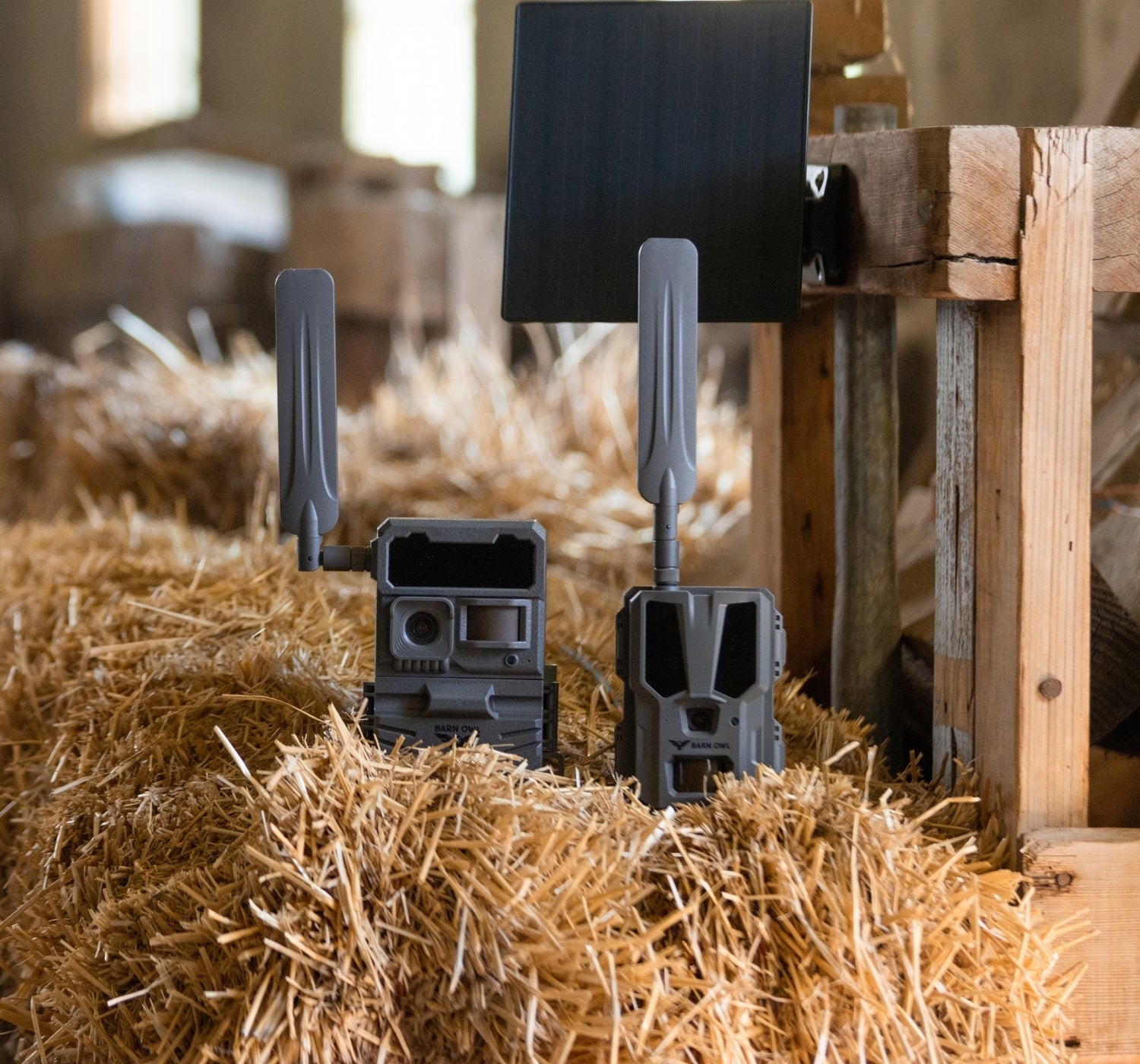
Features to Look for in Cellular Cameras

Barn Owl Blog

Features to Look for in Cellular Cameras

by on Mar 31 2025
In the vast expanses of rural and commercial agriculture, security and productivity are paramount. Remote monitoring systems, particularly cellular trail cameras, play a crucial role in achieving these goals. But what exactly is a cellular trail camera? Simply put, it's a game changer. This smart security solution leverages cellular networks to transmit images and videos from remote locations directly to your device. It's like having an extra set of eyes on your property, even when you're miles away. However, not all cellular trail cameras are created equal. The market is flooded with a myriad of options, each boasting unique features and specifications. For the uninitiated, this can be overwhelming. Understanding the technical jargon and intricate features can be a daunting task. That's where we come in. This comprehensive guide aims to simplify the complex world of cellular trail cameras. We'll break down the key features to look for, from image quality and trigger speed to battery life and weather resistance. By the end of this guide, you'll be well-equipped to make an informed decision. You'll be able to choose the best cellular trail camera that suits your specific needs, boosting the safety and productivity of your operations. Let's dive in. Understanding Cellular Trail Cameras Cellular trail cameras have revolutionized remote monitoring, especially in vast agricultural landscapes. They merge traditional camera functionalities with cellular network capabilities. This combination ensures that images and videos captured by the camera are promptly sent to your mobile device. This innovation offers immense advantages for farm and property management. You can monitor wildlife, deter trespassers, and safeguard valuable assets, all from afar. Cellular trail cameras outperform basic game cameras, which often rely on manual retrieval for data review. When selecting a cellular trail camera, it's essential to focus on key attributes. These include: Image quality and resolution Trigger speed and recovery time Detection range and field of view Battery life and power options Weather resistance and durability Each feature plays a significant role in the camera's overall performance and reliability. Image quality, for instance, influences clarity and detail, crucial for identifying threats or observing wildlife. Understanding the nuanced benefits of each feature can ease the decision-making process. We aim to provide clear, concise explanations of these features. Our guide demystifies the technology behind cellular trail cameras, enabling you to make a confident investment for your property’s security and productivity. What is a Cellular Trail Camera? Cellular trail cameras serve as advanced surveillance devices equipped with cellular connectivity. Unlike traditional trail cameras, these devices wirelessly transmit images and videos via cellular networks. This capability allows real-time monitoring of remote and expansive areas. Farmers can receive updates directly on their smartphones or computers. It's a seamless integration of modern technology with practical applications in agriculture. The primary appeal of cellular trail cameras is their convenience. They eliminate the need to physically retrieve memory cards for image access. This feature saves time and enhances security, providing quick responses to potential threats.   How Do Cellular Trail Cameras Work? Cellular trail cameras function by utilizing a SIM card to connect to a cellular network. When the camera detects motion, it captures and sends images or videos to your chosen device. This real-time alert system is invaluable for monitoring large, remote properties. The cameras often incorporate motion sensors and infrared technology for low-light conditions. This ensures consistent performance, day or night. The ability to transmit data over vast distances sets these cameras apart from conventional models. For rural settings, this connectivity is a game-changer. It provides uninterrupted access to surveillance data without relying on local networks. This ensures that surveillance efforts remain unhindered by distance or location. Key Features of the Best Cellular Trail Cameras To choose the best cellular trail camera, consider its key features. These aspects are crucial to its performance in various settings. Understanding these features can make your decision clearer and more informed. Image quality and resolution are perhaps the most critical factors. High resolution ensures clear and detailed images, allowing for better identification of intruders or wildlife. The camera’s trigger speed and recovery time can also be pivotal. Fast trigger speed captures crucial moments instantly, while quick recovery time ensures it's ready for the next detection. Detection range and field of view impact how much area your camera can cover. A wider range and view ensure you don't miss significant activities. Battery life and power options are equally significant for lasting surveillance. Efficient power usage can prolong battery life, saving time and maintenance efforts. Moreover, consider the camera's weather resistance and durability. This ensures it performs reliably in harsh conditions, safeguarding your investment against the elements. Understanding storage options and cloud services is also beneficial. They determine how images and videos are stored and accessed, which can affect your camera's usability and efficiency. Image Quality and Resolution Image quality is vital for identifying objects or creatures caught on camera. The best cellular trail cameras typically offer high resolution. This allows you to distinguish features clearly, even from afar. Top-quality images can make the difference in recognizing potential threats. Grainy or low-resolution images might leave crucial details obscured, resulting in missed opportunities to respond appropriately. Trigger Speed and Recovery Time Trigger speed refers to how quickly a camera takes a picture after detecting motion. A camera with fast trigger speed won't miss fast-moving subjects. It ensures that any movement, whether animal or human, is promptly captured. Equally important is the camera's recovery time, which is the duration between shots. A quick recovery time enables the camera to capture multiple events in sequence without delay. Look for a camera with a trigger speed under one second. Pair that with a fast recovery time for seamless, continuous surveillance. This ensures you'll never miss critical activity due to lag. Detection Range and Field of View The detection range dictates how far away motion can be detected by your camera. A greater range means your camera can monitor a larger area, enhancing its overall effectiveness. Field of view describes the width of the area that the camera lens can cover. A wider field of view captures more of the scene, reducing the chances of missing side actions. Together, these elements define the surveillance capabilities of a trail camera. Strive to choose a model with both an extensive range and broad field of view for optimal coverage. Battery Life and Power Options A camera's longevity in the field depends significantly on battery life. Short battery life can lead to frequent replacements, increasing time and effort. Consider cameras offering extended battery life, ideal for uninterrupted monitoring. Many models now support solar options for sustainable energy solutions. Explore models with dual power options: battery and solar. This combination provides reliability, particularly in remote locations, ensuring constant vigilance without frequent interventions. Weather Resistance and Durability Your cellular trail camera faces diverse and extreme weather conditions. Weather resistance guarantees the camera's performance doesn't wane under harsh elements. A durable camera withstands wind, rain, and other environmental challenges. This aspect helps safeguard your investment, providing reliable performance over time. Check for models with high IP ratings. A high IP rating indicates superior dust and water resistance, essential for outdoor use in rural settings where conditions can be unpredictable. Storage Options and Cloud Services Secure and efficient storage solutions are paramount for cellular trail cameras. Onboard SD cards offer a local storage option, but cloud services enable remote access. Cloud storage ensures your data is safe, even if the camera is damaged or stolen. It provides easy access to images and videos from any location. Look for a camera with both local and cloud storage capabilities. This dual approach provides flexibility and security, making data retrieval simple and reliable. Advanced Features for Enhanced Monitoring When selecting a cellular trail camera, advanced features can significantly enhance monitoring capabilities. These features often define the leading-edge cameras that provide seamless functionality and offer peace of mind. GPS tagging and geolocation make tracking your camera’s location straightforward. They allow you to pinpoint exactly where the images were captured, adding a layer of context to your data. Infrared (IR) flash technology ensures your camera captures clear images even in complete darkness. It works without scaring away wildlife or alerting intruders, making it an essential feature for discreet operations. Remote access and mobile alerts serve as the backbone for real-time monitoring. They enable you to receive instant updates and access footage on-the-go, ensuring you’re always informed of what happens around your property. Consider these key advanced features for superior performance: GPS tagging for precise location monitoring Infrared flash for effective night surveillance Real-time remote access and mobile alerts These technologies add depth to your surveillance efforts, ensuring you have a robust system to secure your rural properties effectively. GPS Tagging and Geolocation GPS tagging provides a strategic advantage in trail cameras by recording the exact location of each capture. It allows users to track movement patterns over time, providing valuable insights. Geolocation features enhance security by pinpointing the camera's exact placement. This capability is especially useful in large-scale agricultural settings where precise monitoring is essential. Infrared (IR) Flash Technology Infrared flash technology is vital for capturing images at night or in low-light conditions. This technology uses invisible light, keeping both wildlife and intruders unaware. Without the visible flash, the camera remains undetectable, making it perfect for continuous monitoring. It ensures detailed images, regardless of the time, without drawing attention. Remote Access and Mobile Alerts Remote access allows you to operate your camera from anywhere. By using a smartphone or laptop, users can view footage, adjust settings, and receive vital updates. Mobile alerts keep you informed of any motion detected, helping you respond quickly to any events. This feature provides proactive security, ensuring you are always connected and aware. Connectivity and Network Considerations When choosing the best cellular trail camera, connectivity and network reliability are crucial. A camera’s connection ensures consistent data transfer, which is vital for real-time monitoring. Different cellular networks have varying coverage strengths. Thus, it's essential to assess the best fit for your location, especially in rural areas. Consider these factors for optimal network performance: Coverage: Ensure your camera can transmit data reliably. Network compatibility: Confirm the camera supports the bandwidth of the most popular carriers in your area. Signal strength: Assess antenna capabilities for remote areas. A dependable connection contributes to a seamless monitoring experience, keeping your property under constant watch. Network Reliability and Coverage In rural settings, network reliability is paramount. The terrain can affect signal strength, which impacts data transmission efficacy. A strong, reliable network ensures your trail camera stays connected. Selecting a camera with robust antenna features aids in maintaining connectivity in challenging environments. Data Plans and Connectivity Costs Understanding data plan requirements prevents unexpected costs. Cellular trail cameras transmit images and videos over data networks, which can accrue fees. Select a plan that matches your needs. Consider data rates, transmission frequency, and image quality to balance costs against requirements, avoiding unnecessary expenses. Integration with Smart Farm Technologies Integrating cellular trail cameras with smart farm technologies can significantly boost agricultural efficiency. These cameras can interface with existing systems to offer comprehensive coverage. By linking with IoT devices, cameras provide real-time data to centralized platforms. This feature aids in seamless decision-making and swift responses to potential threats or issues. Moreover, smart integrations allow for automated processes. For instance, a camera detecting movement can trigger alerts or activate other security measures, enhancing overall security and operational productivity. Choosing the Right Brand and Model Selecting the right brand and model for cellular trail cameras is vital. Each brand offers unique features that cater to specific needs. Before making a purchase, review the brand's reputation. Established brands often ensure reliability and superior customer service. Additionally, explore customer feedback. Honest reviews can provide insight into real-world performance and potential issues. When comparing models, prioritize features that align with your requirements. Consider aspects such as durability, ease of use, and compatibility with existing technologies. Here are some key points to consider: Signal Strength: Opt for models that offer robust cellular connectivity. Camera Durability: Ensure the design can withstand harsh environmental conditions. Storage Capacity: Models with large storage options or cloud services are preferable. Alert Systems: Look for cameras that provide prompt mobile notifications. Brand Reputation and Customer Reviews A brand's reputation can be a strong indicator of product quality. Reputable brands usually deliver reliable and high-performing cameras. Exploring customer reviews is invaluable. Feedback from others who have purchased a trail camera can inform your decision. Positive reviews often highlight long battery life, clear images, and easy installation. Conversely, repeated negative comments about connection issues or short lifespan should be red flags. Performance and Feature Comparison When comparing cellular trail cameras, focus on performance metrics. Trigger speed and resolution are crucial for capturing clear, timely images. Each model offers different features. Some highlight advanced night vision, while others excel in power efficiency. Performance comparisons help you identify which camera is most suited for your specific needs. Consider factors such as detection range and data storage options. Balancing feature sets with your budget ensures you get the best value. Investing in a camera that meets your unique needs can significantly enhance security and monitoring capabilities. Barn Owl Cellular Trail Cameras: A Trusted Solution for Remote Monitoring Barn Owl specializes in providing reliable, off-grid surveillance solutions tailored for agricultural and rural settings. Their range of cellular trail cameras offers high-resolution imaging, customizable alerts, and robust durability, ensuring your property remains secure and well-monitored. Integrating Barn Owl's cellular trail cameras into your monitoring system can enhance security and streamline the management of your agricultural operations. Conclusion and Call-to-Action Investing in the best cellular trail camera enhances your property's security and efficiency. By understanding the critical features and choosing the right model, you position your agricultural business for success. Now is the time to act. Evaluate your specific needs and explore the leading camera options. Enhance your remote monitoring setup today and secure your property with state-of-the-art technology. Ready to take the next step? Explore our comprehensive selection of trail cameras and elevate your property's security to new heights at Barn Owl Cellular Cameras – Barn Owl Tech. Barn Owl's user-friendly interface and comprehensive product descriptions make it easy to find the perfect surveillance solution for your needs. Next up: Top Benefits of Cellular Security Cameras
How to Choose the Best Trail Camera

Barn Owl Blog

How to Choose the Best Trail Camera

by on Mar 31 2025
Choosing the best trail camera can be a game-changer for agriculture business owners. It can significantly enhance the security and productivity of your rural or commercial properties. But how do you navigate the sea of technical specifications and intricate features? How do you identify the best trail camera that suits your unique needs? This guide is here to help. We will simplify the complex features of trail cameras into understandable benefits. We'll guide you through the key aspects to consider, from image quality and motion activation to weather resistance and connectivity options. By the end of this guide, you'll be equipped to make an informed decision. You'll be ready to invest in a trail camera that boosts your property's safety and your peace of mind. Let's dive in and explore the world of trail cameras together. Understanding Trail Cameras and Their Uses in Agriculture Trail cameras are versatile tools designed for capturing images and video in outdoor settings. They are invaluable for monitoring wildlife and ensuring property security. In agriculture, they help track animal activity, detect unauthorized entry, and assess field conditions. These cameras are strategically placed and use motion sensors to activate recording. By capturing real-time footage, they provide critical insights into wildlife behavior and potential threats. This data can aid in planning and decision-making processes. Agriculture business owners can leverage trail cameras to enhance productivity and protect investments. They are essential for maintaining a secure and efficient operation. Key Features to Consider When Selecting a Trail Camera Choosing the best trail camera involves several critical features. These features ensure the device meets specific monitoring needs. Resolution and Image Quality are top priorities. High-resolution cameras capture detailed images. This helps in recognizing wildlife or potential intruders easily. Motion Activation and Trigger Speed are essential for capturing quick movements. Faster trigger speeds reduce the chance of missing important action. Night Vision and Infrared Flash Technology allow cameras to function effectively in low light. Infrared flash ensures non-intrusive nighttime monitoring. Weather Resistance and Durability are crucial for outdoor cameras. They must withstand different weather conditions without compromising function. Consider cameras that offer wireless connectivity, like WiFi or cellular features. This enhances ease of access and real-time updates. Look for extended battery life or solar power options to ensure long-term, uninterrupted operation. These features combined provide a comprehensive surveillance system. They enhance observation and security on agricultural properties. Resolution and Image Quality High image resolution is critical for trail cameras. It ensures you capture clear, detailed pictures. Check for HD and Full Resolution image quality. This helps identify wildlife and other activities accurately. Motion Activation and Trigger Speed Motion activation is key for detecting movement. It activates the camera only when activity is detected. Trigger speed influences how quickly the camera captures images after activation. Fast speeds prevent missing crucial moments. Night Vision and Infrared Flash Technology Night vision capabilities are essential for monitoring in darkness. They allow continuous surveillance regardless of lighting. Infrared flash technology provides non-visible illumination. This prevents startling wildlife during nighttime operations. Weather Resistance and Durability Trail cameras must endure harsh weather. They should be waterproof and able to withstand temperature extremes. Choose models made with sturdy materials. This guarantees the camera's functionality in varied environmental conditions. Connectivity and Power Options for Remote Monitoring Trail cameras with advanced connectivity options offer superior remote monitoring. WiFi and cellular capabilities enhance these features. These technologies allow instant data transfer to your devices. Access and manage your footage effortlessly from anywhere. Reliable power options are equally crucial. Long battery life ensures consistent operation without frequent changes. Consider solar-powered alternatives. They provide sustainable energy and reduce the need for regular maintenance. WiFi and Cellular Capabilities WiFi-enabled trail cameras simplify data access. They let you view or download images remotely. Cellular capabilities offer real-time alerts. Stay informed about activity as it happens with instant notifications. Battery Life and Solar Power Efficient battery life means the camera operates longer between charges. Opt for models that can sustain power for months. Solar-powered cameras are an excellent choice. They harness sunlight to keep functioning without interruptions, perfect for remote areas. The Importance of Usability in Trail Cameras Usability in trail cameras is critical for all user levels. A complex setup can deter effective usage. Focus on features that streamline the user experience. Simplicity ensures efficient monitoring of rural properties. A user-friendly interface enhances the overall functionality. When cameras are easy to use, productivity increases. Additionally, consider the support offered by manufacturers. Comprehensive guides and responsive service can enhance usability. User-Friendly Interface and Setup A user-friendly interface makes navigation intuitive. It reduces the learning curve for new users. Setup should be straightforward and quick. Efficient installation saves time, allowing immediate camera use. Expandable Storage and Field of View Expandable storage is vital for prolonged capture sessions. It accommodates large volumes of images and videos. Check to see if the camera only offers SD card storage or cloud storage as well. A wide field of view captures more activity. It ensures comprehensive monitoring of your area without missing details. Additional Considerations for the Best Trail Camera Experience To maximize your trail camera use, consider various additional features. These aspects can greatly affect your experience and results. Multi-shot modes are useful for capturing rapid movements. They ensure you don’t miss any action during high activity periods. Moreover, an effective camera design increases versatility. A good design ensures easy placement and concealment in natural settings. Warranty and customer support play vital roles in your purchase. They offer peace of mind and assist in resolving any potential issues. Here’s a checklist for a comprehensive trail camera experience: Multi-shot modes for dynamic scenes Camouflage design to blend with surroundings Warranty for secure investment Reliable customer support for added assistance Design and Stealth Trail camera design influences its stealth capability. A camouflage pattern helps it blend into natural environments. Stealth is crucial to avoid disturbing wildlife. It also prevents theft or tampering by deterring visibility. Warranty and Customer Support Warranty is essential for protecting your investment. Longer coverage periods indicate manufacturer confidence in their product. Good customer support is invaluable. It assists with setup, troubleshooting, and optimizing your camera experience. Top Trail Camera Recommendation for Agriculture Business Owners Barn Owl cameras stand out as one of the best trail camera brands on the market, thanks to their exceptional quality and innovative features tailored for wildlife and agricultural monitoring. Renowned for their reliability, Barn Owl cameras offer high-resolution imaging, impressive night vision capabilities, and rapid trigger speeds that capture every detail of wildlife activity. Their designs prioritize durability, ensuring performance in diverse weather conditions, making them ideal for outdoor use. Users consistently praise their user-friendly interfaces and robust customer support, enhancing the overall experience. With a strong reputation backed by positive reviews from both users and experts, Barn Owl cameras have become a trusted choice for anyone looking to invest in a reliable trail camera. For more information on Barn Owl camera bundles, please visit www.barnowl.tech Conclusion and Call-to-Action Choosing the best trail camera enhances property security and wildlife observation. Prioritize features that align with your specific needs. Invest in reliable brands known for quality and durability. Begin securing your rural or commercial property today with a suitable trail camera. Explore our recommendations and make an informed decision. Elevate your operations through enhanced monitoring capabilities. Act now to benefit from advanced surveillance technology. Transform your rural property management with the right trail camera selection.

Showing 84/93