Welcome to the Barn Owl Learning Center

Since our founding in 2017, Barn Owl has become a leader in providing security, real-time insight, operational efficiency and peace of mind across rural America. Our team of experts has build an in-depth knowledge base designed to answer your questions across industries and challenges. Browse our content below by key topic or by blog post date.

Key Topics Users Find Most Helpful

Barn Owl Blog

Barn Owl's team of experts have amassed decades of insights and knowledge into a series of helpful articles. Browse the latest news and posts below, including by topic tag.

Enhancing Security with Remote Camera Monitoring

Barn Owl Blog

Enhancing Security with Remote Camera Monitoring

by on May 20 2025
In today's world, security is a top priority. Whether it's for your home or business, you want to ensure safety. Remote camera monitoring is a powerful tool in this endeavor. It allows you to keep an eye on your property, even when you're not physically present. This technology has evolved significantly over the years. Today, it offers high-definition video, night vision capabilities, and smart features like motion detection. But how does it work? And how can it enhance your security measures? In this article, we'll delve into the world of remote camera monitoring. We'll explore its benefits, applications, and how to choose the right system for your needs. Join us as we uncover how this technology can provide peace of mind and enhance security in various settings. Understanding Remote Camera Monitoring Remote camera monitoring is a crucial element in modern security systems. It uses internet or cellular connectivity to transmit video footage. This allows users to view live or recorded footage remotely from virtually anywhere. This system typically comprises several components. The main elements include cameras, storage devices, and a user interface to manage and view footage. Users can access this interface via smartphones, tablets, or computers. One of the key benefits of remote camera monitoring is flexibility. Users aren't confined to one location and can check in on their property at any time. This is particularly valuable for frequent travelers or business owners managing multiple sites. For both residential and commercial use, remote camera monitoring provides an effective deterrent against crime. Its mere presence can ward off potential intruders, promoting peace of mind. The Evolution of Remote Camera Technology Remote camera technology has come a long way. Initially, these systems were complex and expensive. Early models required dedicated lines for video transmission. Over time, advancements in technology have simplified these systems. With the advent of IP and cellular cameras, transmitting footage over the internet and through cellular networks became possible. This advancement made remote surveillance more accessible and affordable. Today, the evolution continues with smart features. Modern remote cameras offer high-definition video, night vision, and motion detection. These features enhance surveillance, ensuring clearer images and better coverage, even in low-light conditions. How Remote Camera Monitoring Works The operation of remote camera monitoring is straightforward. Cameras capture picture or video footage and transmit it over the internet or cellular network. This transmission can be viewed in real-time or recorded for later access. Users can connect to this system through apps or web portals. These platforms offer control over camera angles, settings, and playback functions. They transform any device into a personal monitoring station. The system also includes storage for video recordings. This can be on-site, using physical hard drives and/or SD cards, or off-site using cloud storage. Cloud solutions are popular as they provide secure, scalable storage options. Thus, remote camera monitoring offers flexibility in accessing and managing surveillance footage. It provides robust security options by ensuring easy access to crucial visual information. Types of Remote Security Cameras There are various types of remote security cameras available today. They cater to different needs and environments. Understanding these types helps in selecting the right system for any setup. Indoor vs. Outdoor Cameras Indoor cameras are designed for inside use. They often have sleek designs to blend with home interiors. Outdoor cameras, however, are weather-resistant and robust to withstand environmental conditions. Wired vs. Wireless Options Wired cameras connect directly to a power source and a network. They offer stable connections but can be challenging to install. Wireless cameras, on the other hand, offer more flexibility and easier installation, relying on Wi-Fi/cellular service and battery power. Specialty Cameras Specialty cameras like pan-tilt-zoom (PTZ) models allow users to control camera movement remotely. There are also dome cameras, which provide a wide field of view and are harder to tamper with. Bullet cameras, typically wall-mounted, are known for their long-range capabilities. Choosing the Right Camera Before making a decision, consider these camera types along with specific features. Each type has advantages depending on the environment and security needs. Key Features to Look For When selecting a remote security camera, key features can make a significant difference. It's important to prioritize those that enhance functionality and efficiency. One vital feature is image quality. Opt for cameras with at least high-definition (HD) resolution for clear video footage. This clarity is crucial for recognizing faces and details in evidence collection. Another feature is night vision capability. Cameras equipped with infrared LEDs or other technologies provide visibility in low light. This feature ensures security doesn't get compromised during nighttime. Additionally, consider motion detection features. Cameras with this ability alert users to activity instantly. They can trigger recordings and notifications, allowing prompt responses to potential security threats. Barn Owl cameras  are designed with high-definition resolution as a standard, guaranteeing crisp and clear footage. Additionally, every Barn Owl model features advanced night vision technology, ensuring reliable surveillance even in the darkest conditions. Barn Owl also integrates AI-powered motion detection in their cameras, providing instant alerts and minimizing false positives. Benefits of Remote Surveillance Cameras Remote surveillance cameras offer numerous advantages. These benefits extend across personal, commercial, and public spaces, ensuring enhanced security and peace of mind. Firstly, they provide real-time monitoring. Users can access camera feeds from anywhere using smartphones or computers. This accessibility is crucial for timely interventions during suspicious activities. Secondly, remote cameras improve resource management. They reduce the need for constant human surveillance. This efficiency allows businesses to allocate resources better and focus on critical operations. Remote cameras also enhance operational transparency. By recording activities, they provide a clear timeline of events. This transparency boosts accountability and helps in administrative decision-making. Another key benefit is cost savings. Long-term, these systems are more economical than employing additional security personnel. Maintenance and operational costs are relatively low compared to the advantages they offer. Additionally, they enhance safety and community well-being. Visible cameras deter antisocial behavior and crime. They instill a sense of safety in communities, schools, and workplaces. A quick summary of their core benefits includes: Real-time monitoring access Better resource allocation Improved operational transparency Cost-effective long-term solution Enhanced safety and community well-being Deterrence of Criminal Activity Visible remote surveillance cameras can act as a strong deterrent against criminal activity. Their presence alone can discourage potential criminals from acting unlawfully. This deterrence is because criminals prefer unmonitored areas to avoid detection. Furthermore, cameras can reduce opportunistic crimes such as theft and vandalism. When individuals are aware they're being watched, they're less likely to engage in illegal activities. This proactive approach fosters a safer environment both in residential and commercial spaces. Evidence Collection and Legal Compliance Remote cameras play a crucial role in collecting evidence. High-quality footage can be instrumental in legal proceedings and insurance claims. It provides clear visuals of incidents, making it easier to verify facts. Moreover, these systems aid legal compliance. Many regulations require businesses to have surveillance for liability purposes. Remote cameras fulfill these requirements, ensuring businesses adhere to local laws and standards while maintaining security. Industry Applications of Remote Camera Monitoring Remote camera monitoring is transforming industries by providing versatile security solutions. In retail, businesses use cameras to monitor customer behavior and prevent theft. This approach enhances the shopping experience and reduces losses. In the manufacturing sector, remote cameras ensure safety and improve operational efficiency. By monitoring production lines, managers can spot issues quickly, reducing downtime and maintaining quality standards. Cameras also help ensure compliance with safety regulations. For logistics and transportation, cameras track the movement of goods in real-time. This tracking minimizes risks and improves the management of inventories. Remote monitoring can verify deliveries, enhancing accountability and customer satisfaction. In education, institutions deploy cameras to safeguard students and staff. They help monitor access, ensuring that the campus remains secure. Beyond security, cameras can also monitor classrooms for improving teaching effectiveness and facilities management. Overall, remote camera monitoring's adaptability makes it a vital tool across numerous sectors. Each application leverages the technology for specific benefits, ultimately promoting safety, efficiency, and innovation. Accessing Your Cameras Remotely Remote camera monitoring revolutionizes how we access security footage. With internet and cellular connectivity, users can view cameras from anywhere in the world. This accessibility is a game-changer for both individuals and businesses. Smartphones and computers act as remote control centers. Users can log into dedicated apps or platforms to manage their cameras. This functionality includes live streaming and reviewing recorded clips, ensuring constant surveillance. Moreover, this accessibility empowers users to respond swiftly to alerts. Whether checking in on a property while on vacation or ensuring a business is secure after hours, remote access provides peace of mind. This level of control makes remote camera systems indispensable in today's fast-paced world. Live and Recorded Footage on the Go Remote surveillance cameras offer both live and recorded footage access. Users can watch real-time events as they unfold or delve into past recordings. This dual capability enhances the comprehensiveness of security measures. Notifications augment this functionality by alerting to movements or anomalies. Users can immediately switch to live views or inspect recorded incidents. The result is a dynamic surveillance system that works wherever you are, whenever needed. Advanced Features and Technologies The modern era of remote camera monitoring is marked by significant technological advancements. Cameras today are equipped with features that were once considered futuristic. These enhancements have made systems more intelligent and efficient than ever before. One pivotal advancement is in picture and video resolution. High-definition and even ultra-high-definition cameras have become common. This improved clarity ensures that footage can be used more effectively for identification and analysis. In addition to resolution, low-light and night vision capabilities have greatly advanced. Cameras can now capture clear images even in challenging lighting conditions, enhancing security around the clock. This ensures constant vigilance, regardless of the time of day. Choosing the Right Remote Camera System Selecting the ideal remote camera system involves understanding various factors. A well-chosen system ensures comprehensive and reliable security. Delve into the specifics to make an informed decision. Consider your unique security needs first. Different environments require different camera types. Assess whether your situation demands indoor, outdoor, or a mix of both. Next, explore camera features. Here's a list of key features to evaluate: High-definition resolution for clear images Night vision for 24/7 monitoring Motion detection to alert on movement Wireless or wired options based on setup ease Budget considerations are also critical. Balance initial costs with long-term benefits. Remember, a higher upfront investment might lead to savings through effective deterrence. Finally, review customer support and warranties. A company providing robust after-sales service ensures long-term functionality. This support is vital for technical assistance and system maintenance. For those looking for a reliable and feature-rich system, Barn Owl cameras are an excellent choice. Barn Owl offers a variety of cameras equipped with HD resolution, night vision, and motion detection, ensuring comprehensive coverage. Barn Owl also provides excellent customer support and warranties, making them a dependable option for both residential and commercial needs. Explore Barn Owl’s range to find the system that best fits your requirements. Factors to Consider for Optimal Coverage Achieving optimal coverage requires strategic planning. Begin by analyzing your area's layout. Identify the most vulnerable spots that require surveillance. Camera placement is crucial for effective monitoring. Ensure that cameras are positioned to cover all key areas. Overlapping views between cameras can eliminate blind spots. Consider environmental factors as well. Outdoor cameras must withstand weather conditions. Choose models with appropriate IP ratings for durability against elements. Adjust field of view settings based on specific needs. Wide-angle lenses might be more suitable for open areas, while narrow lenses work for focused monitoring. Tailoring these aspects ensures comprehensive coverage. Scalability and Cost-Effectiveness Scalability is essential for growing security needs. Opt for systems that allow easy expansion as requirements change. Modular systems provide flexibility in adding components. Assess the cost-effectiveness of potential camera systems. Consider both short-term and long-term expenses.  A cost-effective system balances quality and affordability. Invest in quality cameras to minimize future replacements. Remember, cheaper options may lead to unexpected costs over time. Budget allocation should include maintenance and upgrades. Regular updates are vital for camera performance and security. Plan for these expenses to maintain cost-efficiency. Maintaining Your Remote Camera Monitoring System Proper maintenance of your remote camera monitoring system is crucial. It ensures your security setup remains dependable and effective over time. Regular upkeep can prevent technical issues and enhance performance. Begin by establishing a maintenance schedule. Routine checks help in identifying potential problems early. This proactive approach avoids costly repairs and ensures continuous operation. Regular Maintenance and Updates Regular maintenance is a foundational element of camera reliability. Clean camera lenses to preserve image clarity. Dust and debris can significantly impact video quality over time. Don't overlook software updates. They are necessary to fix bugs and introduce new features. Keep your system’s software current to maximize its capabilities and security. Conclusion: Enhancing Security with Remote Monitoring Remote camera monitoring provides a dynamic and effective way to safeguard properties. Its versatility makes it invaluable for both homes and businesses. With real-time access, you stay informed wherever you are. Embracing this technology improves safety and offers peace of mind. It serves as a proactive security measure, deterring potential threats and assisting in incident management. As advancements continue, remote monitoring will only become more integral to comprehensive security solutions. Up next: How to Set Up Remote Camera Monitoring
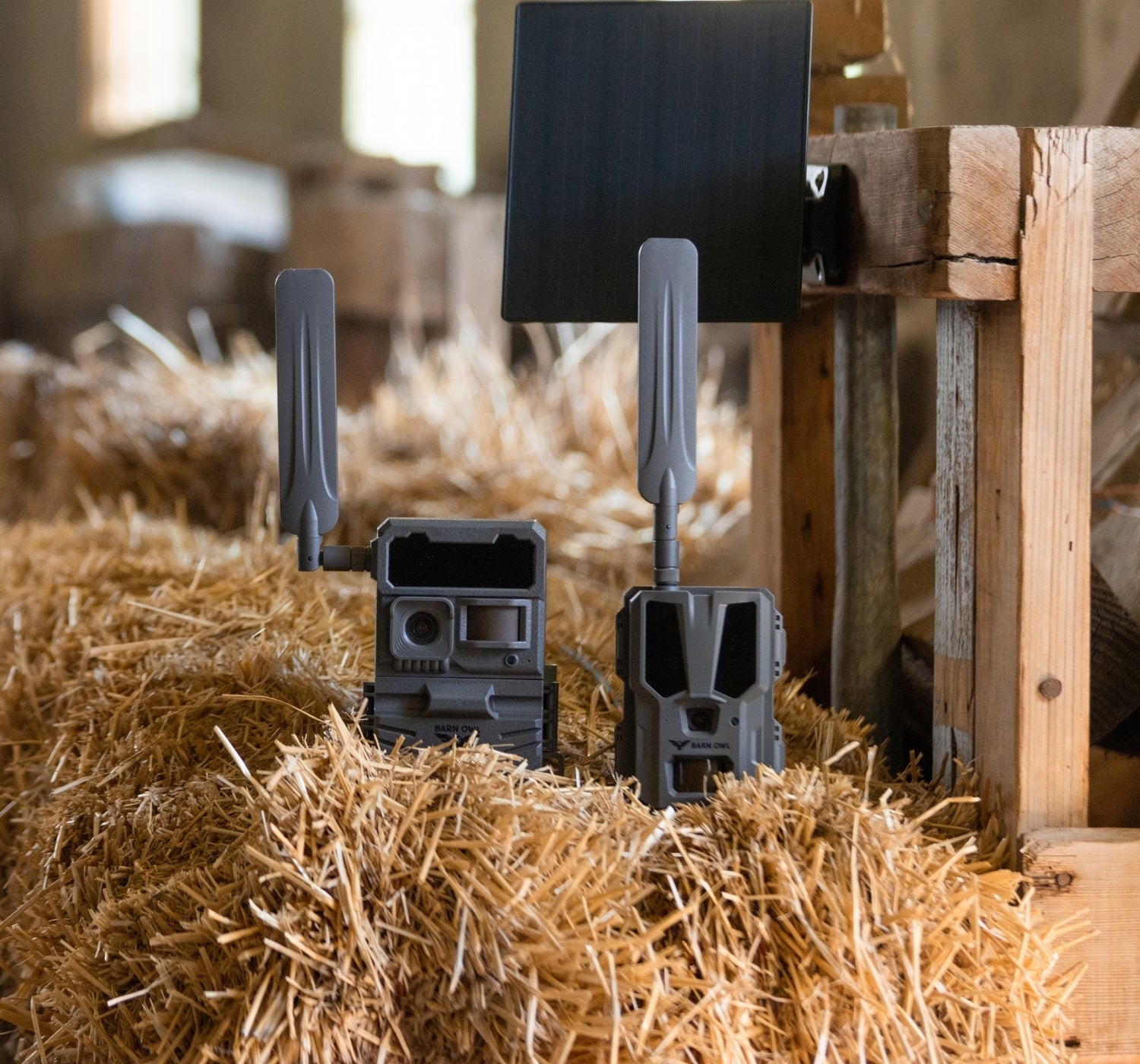
How to Set Up Remote Camera Monitoring

Barn Owl Blog

How to Set Up Remote Camera Monitoring

by on May 19 2025
In today's digital age, security has taken on a new dimension. Remote camera monitoring has emerged as a popular solution for maintaining safety and security. But what is remote camera monitoring? It's a system that allows you to monitor your property from anywhere. With a remote security camera, you can keep an eye on your home or business even when you're miles away. This guide will walk you through the process of setting up remote camera monitoring. It will cover everything from choosing the right remote surveillance camera to understanding the legal and ethical considerations. Whether you're a homeowner looking to enhance your property's security or a business owner wanting to monitor your premises, this guide is for you. It's designed to provide you with the knowledge and tools you need to set up a successful remote camera monitoring system. By the end of this guide, you'll have a clear understanding of how to install, use, and maintain your remote camera system. You'll also learn how to troubleshoot common issues and upgrade your system as needed. So, are you ready to take your security measures to the next level? Let's dive in and explore the world of remote camera monitoring. Understanding Remote Camera Monitoring Remote camera monitoring is an innovative way to oversee properties from a distance. It taps into internet technology to let users view live feeds from their cameras. This offers a new level of convenience and control in security management. What is Remote Camera Monitoring? At its core, remote camera monitoring involves the use of cameras connected over the internet or through cellular service. These cameras enable users to access video footage in real-time, regardless of their physical location. Such systems typically include cameras, network infrastructure or sim cards, and viewing software, websites, or apps. These components work together to provide seamless access to video streams. Users can keep an eye on things through their smartphones, tablets, or computers. The Importance of Remote Monitoring for Security Remote monitoring is crucial for effective security management. It allows property owners to detect threats quickly, even when they're not physically present. Immediate alerts from a remote surveillance camera can help prevent property damage or theft. This swift detection is especially valuable in high-risk areas or for businesses with significant assets. Remote camera systems also act as deterrents. Their presence can discourage potential intruders from targeting your property. Knowing they are being watched, trespassers may think twice before acting. Benefits of Remote Camera Monitoring Systems There are numerous advantages to using remote camera systems. Here are a few key benefits: 24/7 Surveillance: Monitor your property around the clock, without needing to be there in person. Real-time Alerts: Receive instant notifications of suspicious activity to your device. Peace of Mind: Enhance your sense of security, knowing your premises are under watch. Easy Access: View live footage conveniently from any internet-connected device. Scalability: Add more cameras or features to adapt to changing security needs. These benefits make remote camera monitoring a comprehensive security solution. It offers flexibility, adaptability, and increased control over one's security landscape. Choosing the Right Remote Security Camera Selecting the right remote security camera is essential for effective monitoring. With various options in the market, it's vital to know what suits your needs best. Consideration of specific features and types can guide you in making the right choice. Key Features to Consider When choosing a remote security camera, certain features stand out. These features determine the camera's effectiveness in different scenarios. Here are some essential features to look for: Resolution: Higher resolution offers clearer video quality. Field of View: A wider view covers more area. Night Vision: Allows monitoring in low light. Motion Detection: Triggers alerts when movement is detected. Weather Resistance: Important for outdoor cameras to withstand elements. These features enhance a camera's capability to provide reliable surveillance. When evaluating these crucial features, consider the reliability and performance offered by Barn Owl. Known for our high-resolution imaging and exceptional night vision capabilities, Barn Owl cameras ensure you capture clear details around the clock. All of our models also boast advanced motion detection with customizable sensitivity, helping you stay informed about what truly matters. Explore the range of Barn Owl cameras to find a solution that meets your specific security needs. Preparing for Installation Proper preparation ensures a successful remote camera monitoring setup. This involves strategic placement, secure mounting, and choosing the right power supply. By considering these factors, you can maximize the camera's efficiency and durability. Selecting the Optimal Location for Cameras Choosing the best locations for cameras enhances coverage and effectiveness. Start by assessing vulnerable areas where security might be compromised. Position cameras at entry points and high-traffic areas. Ensure they cover critical zones without significant obstructions. Avoid placing cameras too low, where vandalism is easier. Mounting and Securing Your Cameras Securely mounted cameras deter tampering and theft. Use sturdy brackets and anchors for outdoor installations. Indoor mounting might use adhesive mounts in some cases. Consider the use of tamper-proof screws to add a layer of security. This ensures that your cameras stay in place and function optimally. Power Supply Options for Remote Cameras Remote cameras require reliable power sources to function continuously. The options range from traditional AC power to advanced setups. AC Power: Most reliable, requires nearby outlets. Battery: Offers flexibility, needs regular charging. Solar Power: Suitable for remote areas without AC access. Choose based on location, camera type, and specific needs. Always ensure a consistent power supply to prevent surveillance downtime. This choice significantly influences system reliability and long-term performance. Camera Settings: Motion Detection and Activity Zones Optimize your camera's settings for better monitoring results. Motion detection helps reduce unnecessary recording and alerts. Adjust the sensitivity settings to prevent false alarms from common movement. These adjustments ensure your system operates efficiently and only alerts you when needed. Proper setup can provide peace of mind with a streamlined surveillance process. Accessing Camera Feeds Remotely Accessing camera feeds remotely allows you to stay informed from anywhere. This feature is crucial for effective remote camera monitoring. Most systems offer smartphone apps or web portals for easy access. Ensure your system supports secure remote access. Regularly update your apps and software to maintain security. By configuring these features, you can monitor your property efficiently and respond swiftly to incidents. Legal and Ethical Considerations When setting up a remote surveillance camera system, legal and ethical considerations are paramount. It's crucial to be aware of surveillance laws in your area to avoid any violations. Privacy concerns are also a significant issue, as cameras can potentially infringe on individuals' privacy rights. Balancing Security Needs with Privacy Rights While security is essential, respecting privacy is equally important. Strategically place cameras to minimize privacy invasions. Avoid pointing cameras towards neighbors' properties or areas where individuals expect privacy. Communication with neighbors about your security intentions can help maintain goodwill. Balancing these factors ensures you maintain security while being considerate of others' rights. Maintenance, Troubleshooting, and Upgrades Maintaining your remote camera monitoring system ensures it runs smoothly and efficiently. Regular upkeep is essential to prolong the life of your cameras and to keep recordings high-quality. Troubleshooting skills help you solve minor problems without professional help. Upgrading, meanwhile, ensures your system stays current with technological advancements. Regular Maintenance and Firmware Updates Regular camera maintenance involves cleaning lenses to prevent image distortion. Dust and dirt can accumulate, reducing video clarity. Check for physical damage regularly to prevent further issues. Firmware updates are crucial. Manufacturers often release updates to fix bugs or add features. Regularly check for these updates and install them promptly. This practice helps keep your system stable and secure from new threats. Troubleshooting Common Remote Camera Issues Troubleshooting common issues helps maintain system efficiency. Many problems are simple and need just basic know-how. Common problems include poor video quality, connectivity issues, or software glitches. Steps to troubleshoot include: Restarting cameras and checking cable connections. Ensuring your network is functioning correctly. Verifying camera settings for correct configurations. These simple checks can often resolve issues quickly and without expert assistance. Upgrading Your Remote Camera System Upgrading your system is vital as technology progresses. Newer cameras offer better features like enhanced resolution and AI integrations. These advancements improve monitoring capability. Consider upgrades if you notice performance lags or need more advanced features. Install smarter cameras with advanced analytics or improved night vision. Upgrading ensures your security measures remain effective and keeps your property safer over time. Conclusion and Next Steps Setting up remote camera monitoring is a valuable step toward enhancing your security. You now have the knowledge to choose, install, and maintain an effective system. This guide provides the comprehensive steps necessary for success. Remember that keeping up with technology, regular maintenance, and secure network practices are key. Approach each step methodically for the best results. Your proactive measures today can safeguard your property and offer peace of mind for years to come. Recap of Key Points You've learned how to select the right cameras and ensure secure installation. Maintaining and upgrading is crucial for ongoing security. Encouragement to Start Monitoring Don't wait to enhance your property's safety. Implement these steps today to begin enjoying the benefits of remote camera monitoring. Your security is just a setup away. Up next: Benefits of Remote Camera Monitoring Systems
Benefits of Remote Camera Monitoring Systems

Barn Owl Blog

Benefits of Remote Camera Monitoring Systems

by on May 19 2025
In an era of increasing security concerns, remote camera monitoring systems have emerged as a popular solution. They offer a blend of convenience, cost-effectiveness, and advanced technology. But what exactly is remote camera monitoring? It's a system that allows you to view live or recorded footage from your security cameras, no matter where you are. All you need is a cellular connection and a device like a smartphone or computer. This technology has revolutionized the way we approach security. It's not just about recording potential intruders anymore. With remote camera monitoring, you can check on your property at any time. You can also receive alerts for unusual activity, utilize AI and GPS mapping, and much more. In this article, we'll delve into the benefits of remote camera monitoring systems, how they work, and why they might be the perfect addition to your security measures. Understanding Remote Camera Monitoring Remote camera monitoring is about accessing and managing security cameras from anywhere. This convenience is possible thanks to internet or cellular connectivity. Unlike traditional CCTV systems, which require on-site monitoring, remote systems offer flexibility. Internet or cellular connectivity is at the core of this technology. It allows for real-time streaming and alerts. You can watch live footage or review past videos from your smartphone or computer. Moreover, many remote cameras utilize cloud storage. This feature ensures your data remains safe, even if the physical device is damaged or stolen. Cloud storage eliminates the need for bulky on-site servers. Here are key features of remote camera monitoring: Live streaming and playback access anytime, anywhere Cloud storage for secure and accessible data Integration with mobile devices for ease of use Motion detection is another vital component. Advanced cameras detect movement and send instant alerts. This enables quick responses to potential threats. Remote camera systems are not only for security. They can also assist in monitoring everyday activities, making them versatile tools for both home and business use. How Remote Camera Monitoring Works Remote camera monitoring operates through a network of cameras connected to the internet. This connection allows users to access live video feeds from anywhere in the world. All they need is a device with internet connectivity, such as a smartphone, tablet, or computer. The primary function of a remote security camera is to capture photo or video footage. This footage is then transmitted over the internet or cellular network to a secure server or cloud storage. Users can access and review this footage at any time, adding a layer of convenience and security. Motion detection technology plays a crucial role in these systems. When movement is detected, the camera sends an alert to the user’s device. This feature ensures immediate awareness of any unusual activity, enhancing overall security. Remote surveillance cameras also employ advanced technologies like night vision. This capability ensures that the camera can record clear footage in low-light conditions, maintaining 24/7 vigilance. The systems are typically easy to install. Many models offer plug-and-play functionality. This feature reduces the need for professional installation and makes it accessible to a broader range of users. The combination of ease of use, advanced features, and flexible accessibility makes remote camera monitoring systems an essential tool for modern security. Key Advantages of Remote Camera Monitoring Remote camera monitoring provides several important benefits. Its security advantages make it a preferred choice for many users. These systems serve as strong deterrents against potential criminal activity. One of the key benefits is the ability to monitor your property from anywhere. This helps ensure that users are always aware of what is happening at their locations. Whether at home, work, or on vacation, users can easily check their cameras. Remote systems offer improved storage solutions. Users can choose between local storage and cloud-based options. This flexibility allows footage to be stored securely and accessed whenever needed. The systems provide customizable alerts. Users can set notifications for specific times, ensuring they receive only relevant updates. This feature reduces unnecessary interruptions. Here are some key advantages of remote camera systems: Continuous monitoring capability High-quality video resolution Integration with mobile devices Real-time alerts and notifications Advanced motion detection technology Remote camera systems are also highly scalable. Adding more cameras can be done effortlessly. This adaptability allows for expanding the security network as requirements grow. Furthermore, these cameras often require minimal maintenance. Regular software updates enhance system efficiency. Low upkeep costs add to the value of these systems. User privacy and data security are prioritized in remote systems. Advanced encryption protocols safeguard stored footage. Ensuring data protection is critical in preventing unauthorized access. Ultimately, remote camera monitoring systems offer peace of mind. Knowing that your property is under constant surveillance provides reassurance. This confidence is invaluable for homeowners and businesses alike. Enhanced Security and Crime Deterrence Remote surveillance cameras significantly boost security. Their mere presence deters potential intruders. Criminals are less likely to target properties with visible cameras. The ability to monitor in real time increases security. Users receive alerts whenever motion is detected. This allows for prompt action to prevent criminal activity. These systems provide critical evidence in the event of a crime. High-definition footage can be crucial in investigations. This leads to faster resolution and higher conviction rates. Cost-Effectiveness and ROI Remote camera monitoring is cost-effective. It offers substantial savings compared to hiring full-time security staff. Fewer personnel means lower ongoing expenses. The initial investment in cameras often results in high ROI. Many insurance providers offer discounts for enhanced security measures. Over time, these savings can be significant. The systems are designed to last. They offer durability and require little maintenance. This longevity ensures that the financial outlay is justifiable. Moreover, technological advancements make these systems more affordable. Competitive pricing makes it easier for individuals and businesses to invest in. As technology improves, costs continue to decrease. Accessibility and Convenience One major advantage is accessibility. Remote cameras allow users to monitor their property from anywhere. All that is needed is an internet or cellular network connection. Users can access live and still feeds on their mobile devices. This convenience means constant awareness. There’s no need to worry about being away from home or the office. The setup process for most systems is simple. Many cameras offer easy installation without professional help. This ease of use is a key factor for many users. Additionally, remote systems come with user-friendly interfaces. Navigating the software and settings is straightforward. Most individuals can manage these systems without technical expertise. The Role of Motion Detection and Alerts Motion detection is a crucial feature of remote camera systems. It significantly enhances security by promptly identifying unusual activities. When motion is detected, the system can instantly alert the user. Alerts from motion detection ensure timely responses. They provide real-time notifications via email or mobile apps. This immediacy allows users to act swiftly in potential emergency situations. Different settings can be customized to reduce false alarms. Sensitivity levels can be adjusted according to the environment. This ensures that only relevant movement triggers an alert, minimizing unnecessary notifications. High-Quality Video and Night Vision Capabilities A key advantage of modern remote cameras is high-definition pictures and video. Clear, detailed imagery ensures accurate identification of individuals and events. This is essential for both live monitoring and reviewing recorded footage. High-definition video captures minute details that older systems might miss. Such clarity is especially important during critical security assessments. With better resolution, distinguishing subtle differences becomes much more feasible. Night vision is another vital feature of remote cameras. Low-light environments no longer impede surveillance efficiency. Infrared technology allows cameras to capture clear images even in total darkness. This capability extends security coverage to 24/7 monitoring. Home and business owners gain peace of mind knowing their properties are continually safeguarded. Night vision thus complements high-definition video for round-the-clock vigilance. Quality video combined with night vision protects various environments. Whether observing residential, commercial, or outdoor areas, visibility remains consistent. This ensures comprehensive protection regardless of lighting conditions. Remote Camera Monitoring for Various Applications Remote camera systems are versatile and used in many settings. Their flexibility suits a broad range of applications, each with unique needs and benefits. Whether for residential, commercial, or special environments, they enhance security and monitoring capabilities. Home Security In homes, remote cameras deter intruders and protect property. Homeowners can monitor activities from anywhere. This provides peace of mind, knowing their loved ones and belongings are safe. Pets and deliveries can also be checked conveniently. This adds an extra layer of security. Alerts for unusual activity ensure timely responses to potential threats. Business and Industrial Use Businesses benefit from remote monitoring by reducing theft and vandalism. Cameras surveil entrances, exits, and sensitive areas. This helps protect assets and maintain operations smoothly. Industrial settings often monitor equipment and workers for safety compliance. Cameras contribute to a secure work environment. They aid in identifying hazards and preventing accidents. Wildlife and Environmental Observation In environmental conservation, remote cameras track animal movements and behavior. Researchers gain insights without disturbing natural habitats. Cameras collect data crucial for studying ecosystems. For outdoor enthusiasts, observing wildlife enhances appreciation for nature. These applications go beyond security, contributing to science and education. Remote camera monitoring thus serves diverse purposes, adapting to various needs and environments. For nature enthusiasts and researchers looking to observe wildlife with minimal disturbance, consider the robust and discreet Barn Owl range of remote cameras. Known for their exceptional image quality, durability in various outdoor conditions, and long-lasting battery life, Barn Owl cameras are a reliable choice for capturing the secret lives of animals in their natural habitats. For more information on Barn Owl bundles, you can visit www.barnowl.tech  Legal and Privacy Considerations Implementing remote camera monitoring involves legal and privacy issues. It's crucial to understand local laws governing surveillance. Regulations vary by region, so staying informed is essential. Privacy concerns arise when monitoring spaces with multiple occupants. Clear policies on where and how cameras are used maintain trust. Posting signs indicating camera surveillance helps inform and protect privacy rights. Compliance with data protection laws is vital. This includes securing data against unauthorized access and ensuring proper handling of recorded footage. Legal guidance may be necessary to navigate complex regulations effectively. Respecting privacy while ensuring security requires careful planning. Transparent communication with stakeholders can alleviate concerns. By balancing security needs with privacy protections, remote camera systems can operate responsibly and lawfully, providing peace of mind to both users and those being monitored. Choosing the Right Remote Camera System Selecting the best remote camera system requires careful consideration. Start by assessing your specific needs, which vary from household to business. Each setup demands unique features and specifications. Key Features to Consider Resolution and Image Quality: Higher resolution provides clearer images for identification. Weatherproof Design: Essential for outdoor cameras to withstand elements. Motion Detection and Alerts: Notify users of unusual activity. Night Vision Capabilities: For monitoring in low-light conditions. Evaluating these features against your budget is crucial. Cost isn't the only factor, but balancing it with quality is vital for best value. Customer reviews offer insights into real-world performance and reliability, guiding you to make informed decisions. Lastly, consider the provider's reputation and support services. Good technical support ensures help is available when needed. Selecting a reputable brand with positive reviews promises reliability, safeguarding your investment in security technology. When it comes to ensuring clear, round-the-clock surveillance, the quality of your camera's video and night vision is paramount. Barn Owl cameras are engineered with high-resolution sensors and advanced infrared technology, delivering crisp, detailed imagery day and night. This commitment to superior visual clarity ensures you never miss a crucial detail, providing reliable monitoring in any lighting condition.  Camera Placement and Field of View Effective camera placement enhances coverage significantly. Begin by identifying potential threat areas on your property. Entry points and vulnerable spots are critical focus points. Strategically place cameras to maximize the field of view. Overlapping fields prevent blind spots and ensure thorough surveillance. Mount cameras at optimal heights to capture essential details without obstruction. Consider environmental factors such as lighting and weather conditions. Adequate lighting improves image quality, while weatherproofing protects outdoor cameras. Proper placement maximizes the effectiveness of your remote security camera system. Storage Options and Data Protection Storage is a vital component of remote camera systems. Options include local and cloud storage, each with unique benefits. Local storage offers immediate access, while cloud storage provides convenience and remote accessibility. Regularly updating system software keeps security measures strong. Compliance with data protection regulations helps maintain legality. Choosing storage solutions that prioritize security safeguards footage and user privacy. System Scalability and Maintenance Scalability is a key advantage of remote camera systems. As security needs evolve, easily add more cameras. Scalable systems offer flexibility and support future growth. Maintenance ensures long-term system performance. Regular checks verify that cameras function optimally and eliminate blind spots. Timely software updates keep system features current and enhance security. Choose a system with a user-friendly interface for ease of expansion and maintenance. Simplified operations reduce downtime and improve efficiency. With scalable and well-maintained systems, remote surveillance cameras protect investments and adapt to changing requirements. Future Trends in Remote Camera Monitoring The future of remote camera monitoring holds exciting advancements. As technology evolves, cameras are becoming more intelligent and versatile. Expect to see significant improvements in artificial intelligence and machine learning. AI-driven cameras will soon offer enhanced features. These include advanced motion detection and object recognition. Such capabilities reduce false alarms and improve security accuracy. 5G connectivity is another transformative trend. It promises faster data transmission and lower latency. This advancement will allow real-time monitoring with minimal delays, enhancing the user experience. Finally, increased resolution and imaging quality are on the horizon. Future systems might offer ultra-high-definition video, capturing even finer details. This progress not only enhances security but also opens up new application possibilities. Such trends will shape the future of surveillance, offering smarter, more efficient systems. Conclusion: The Impact of Remote Camera Monitoring on Security Remote camera monitoring has revolutionized security systems. It offers enhanced oversight, deterring crime effectively. Users can now monitor their surroundings with great ease. The accessibility and convenience provided by these systems are unparalleled. Whether at home or away, users can stay informed. This peace of mind is invaluable. Furthermore, the integration with smart technologies enhances security measures. This synergistic approach ensures comprehensive safety. As technology progresses, remote monitoring will continue to adapt, becoming even more integral to modern security strategies. Investing in such systems is more than a trend; it's a step towards a safer future. Up next: Remote Camera Monitoring for Wildlife Observation
How to Choose a Wireless Camera System

Barn Owl Blog

How to Choose a Wireless Camera System

by on May 15 2025
Choosing the right wireless security camera system can be a daunting task. With a myriad of options available, it's easy to feel overwhelmed. But don't worry. This guide is designed to help you navigate through the process. We'll explore key features, discuss important considerations, and provide tips to make an informed decision. Whether you're a homeowner, a renter, or a small business owner, this guide has got you covered. By the end, you'll be well-equipped to select the best wireless security camera system that suits your specific needs. Let's get started. Understanding Wireless Security Camera Systems Wireless security camera systems have revolutionized how we think about home and business security. They offer unparalleled flexibility and ease of use. These systems connect to your network wirelessly, freeing you from the constraints of hardwiring and allowing for more dynamic camera placement. One major advantage is their portability. You can move cameras without the hassle of cables, making them ideal for renters and small businesses. Understanding how they operate gives you a clearer picture of what to expect. Key elements of wireless security systems include: Wi-Fi or cellular connectivity Video quality Cloud or local storage Remote access capabilities Power source options Wired vs. Wireless: Pros and Cons When considering security cameras, you face two options: wired or wireless. Both have their strengths and weaknesses. Wired systems often boast robust reliability. However, installation can be more complex and costly due to cabling needs. Wireless systems, on the other hand, offer simpler setup and installation. They allow for greater flexibility in camera placement. But, they require adequate Wi-Fi or cellular signal for optimal performance. Ultimately, your choice depends on your unique situation and priorities. Weighing these pros and cons can help you make an informed decision. Key Features of Wireless Security Cameras When selecting a wireless security camera system, several key features should guide your choice. These elements ensure the system meets your needs. First, consider video quality. High-resolution cameras capture clearer images and better details, crucial for effective surveillance. Next, evaluate the field of view. A wide-angle lens covers more area and reduces the number of cameras needed. Motion detection is vital. It alerts you to activity, saving time by recording only when something happens. Consider these and other features to ensure your system aligns with your security goals.  Here's a list of essential features to consider: Video quality and resolution Field of view Motion detection Night vision Remote access capabilities By focusing on these aspects, you ensure your chosen system provides comprehensive security coverage Evaluating Your Security Needs Determining your security needs is a crucial first step when choosing a wireless security camera system. Think about what you hope to achieve by installing surveillance. Consider whether you need cameras primarily for safety, monitoring, or both. This will inform the features you prioritize in a camera system. Also, evaluate the specific areas requiring surveillance. This includes entrances, driveways, or common areas. Understanding your needs helps ensure you invest in the right system. Indoor vs. Outdoor Systems Identifying whether you need indoor, outdoor, or both types of cameras is essential. Outdoor cameras should withstand weather conditions such as rain, wind, and extreme temperatures. Indoor cameras often come with a wider range of features focused on monitoring home interiors. If your needs include both areas, look for a system that offers these versatile options. Assessing Camera Placement and Field of View Effective camera placement is key to comprehensive coverage. Identify critical points to monitor, such as entryways or high-traffic areas within your property. Pay attention to the field of view provided by each camera. A broader field of view means fewer cameras needed, reducing cost and complexity. Thoughtful placement combined with optimal field coverage helps ensure security efficiency. Video Quality and Resolution Video quality is a significant factor when selecting a wireless security camera system. High resolution ensures clear and detailed footage, which is critical for identifying faces and details. Most modern cameras offer at least 1080p HD resolution. Remember, though, that higher resolution requires more bandwidth and storage capacity. Clear and sharp video quality can significantly enhance your security effectiveness. The Importance of Night Vision Night vision capabilities are vital for round-the-clock security. A camera with effective night vision ensures visibility in low-light conditions. Infrared (IR) technology is commonly used to provide clarity at night.  Consider cameras with excellent night vision range to cover necessary areas effectively. Having this feature ensures your security system is reliable day and night. Motion Detection and Smart Features Motion detection is a crucial feature in wireless security camera systems. It allows cameras to start recording when movement is detected. This saves storage space and ensures relevant events are captured. Advanced motion detection features can distinguish between different types of movement, reducing false alarms.  Moreover, some systems offer smart notifications. These provide real-time alerts on your smartphone, ensuring you are always informed of unusual activity. With these smart features, surveillance becomes efficient and proactive. Artificial Intelligence and Advanced Analytics Artificial intelligence (AI) significantly enhances the functionality of modern security cameras. AI can identify specific objects, like vehicles or people, making alerts more precise. With AI-powered analytics, your wireless security system becomes more intelligent and reliable. Connectivity and Storage Options For wireless camera systems, reliable connectivity is essential. Good Wi-Fi or cellular connectivity ensures your cameras function properly. It's important for taking pictures/video and accessing footage remotely. Equally important is deciding where your footage will be stored. You can choose between cloud storage and local storage. Each comes with its own set of benefits and limitations. Legal Implications of Surveillance Before installing cameras, understand the legal aspects of surveillance in your area. Laws vary, and non-compliance can result in serious consequences. It's important to inform guests and neighbors if surveillance overlaps into shared spaces. Respecting privacy while ensuring security can help avoid potential legal issues. Power Source and Battery Life When selecting a wireless security camera system, consider the power source. Most systems run on either batteries or are wired for electricity. Battery-operated cameras offer greater flexibility in placement. Battery life is crucial for maintaining uninterrupted surveillance. Choose cameras with long-lasting batteries to minimize maintenance and downtime. Some cameras feature energy-saving modes to prolong battery life. Additionally, consider how the power source affects installation. Battery-powered cameras can be installed in more places without needing electrical outlets nearby. Choosing the right power solution can enhance your system's efficiency and reliability. Solar-Powered Options Solar-powered security cameras offer a sustainable power solution. They utilize solar panels to charge the camera batteries during the day. This option is ideal for locations where running wires is challenging. Solar cameras are cost-effective and reduce the need for frequent battery replacements. They are a perfect choice for outdoor installations, especially in sunny regions. Ensure the solar panel receives adequate sunlight to maintain camera performance. Durability and Weatherproofing When choosing a wireless security camera system, durability is key, especially for outdoor use. Cameras exposed to the elements need robust construction. Look for cameras labeled weatherproof or waterproof. Weatherproof cameras withstand rain, snow, and heat. Check the camera's IP rating; the higher the number, the better it resists dust and water. A camera with these features ensures reliable performance in varied weather conditions, offering long-term value. Cost Considerations and Budgeting Budgeting for a wireless security camera system requires careful planning. With so many features available, costs can vary significantly. Start by defining your must-have features and remain flexible on extras. Understand that higher price does not always mean better quality. Some affordable options offer great performance without breaking the bank. Compare different models to find one that meets your needs and budget. Remember to include hidden costs in your calculations. Consider expenses like professional installation, additional storage plans, or accessory purchases. Proper budgeting ensures you get the best value from your investment. Finding Affordable and Reliable Options Finding an affordable yet reliable security camera requires research. Consider looking at user reviews and expert recommendations. These insights often reveal valuable information about performance and reliability. Focus on cameras with essential features rather than the most advanced options. Ensure the chosen system has a good warranty and customer support. Often, simplicity equals cost savings and fewer complications down the line. Looking for a camera system built for rural life? Barn Owl wireless cameras are designed specifically for remote areas, with flexible cellular plans and rugged construction that stands up to the elements. Whether you're monitoring a ranch gate, pasture, or a distant cabin, Barn Owl gives you the reliability of real-time visibility—without the hassle of wired connections or power outlets. Plus, their plug-and-play setup makes installation easy for anyone, no IT degree required. User Reviews and Brand Reputation When selecting a wireless security camera system, consider user reviews and brand reputation. Reviews can offer practical insights into a product's reliability and functionality. Check multiple sources to ensure a balanced perspective. Brand reputation reflects not only product quality but also customer service standards. Established brands often provide a greater sense of security and trust. Remember, however, that newer brands can offer innovation and competitive pricing. Engage with community forums or social media groups where users share their experiences. Real-world feedback can highlight strengths and weaknesses not covered in product descriptions. This research step is crucial for making an informed choice. Importance of Customer Support and Warranty Customer support is vital when technical issues arise. A responsive support team can save you time and frustration. Before purchasing, test the brand's support service through inquiries to gauge their responsiveness. A solid warranty can provide peace of mind, covering any potential defects or malfunctions. Review warranty terms carefully to understand what's included. A good warranty indicates the brand's confidence in their product's durability. Installation and Maintenance Installing a wireless security camera system can be straightforward or complex, depending on its features. Most systems come with a user manual to guide you through the installation process. Following these instructions ensures that your cameras are set up correctly and function optimally. Maintaining your system is essential for longevity. Regular checks for loose connections, power issues, or physical damage can prevent bigger problems down the line. By investing a little time in maintenance, you ensure the system operates efficiently for years. Choosing between DIY and professional installation depends on your comfort level with technology. DIY installation is often less costly and straightforward for tech-savvy users. Many systems are designed for easy setup, requiring no special tools or skills Regular Software Updates and Troubleshooting Keeping your security camera system updated is crucial for performance and security. Regular software updates provide new features and protect against vulnerabilities. Always check for updates from the manufacturer to maintain the highest security standards. Troubleshooting common issues, such as connectivity problems or software glitches, is an important skill. Having a basic understanding of troubleshooting steps can save you time and prevent frustration. Some systems offer automated troubleshooting guides, simplifying this process for the end user. Conclusion: Making the Right Choice Selecting the perfect wireless security camera system requires careful thought and understanding of your specific needs. Consider the camera features, connectivity, and your budget to narrow down the best options for you. The right system will balance security, ease of use, and affordability. By prioritizing key features such as video quality, motion detection, and smart integrations, you can make a well-informed decision that suits your home or business. Always research thoroughly and read user reviews to ensure you're choosing a reliable product. This approach leads to enhanced safety and peace of mind. Up next: Installation Tips for Wireless Security Cameras
Installation Tips for Wireless Security Cameras

Barn Owl Blog

Installation Tips for Wireless Security Cameras

by on May 15 2025
Wireless security camera systems are a popular choice for home and business owners. They offer flexibility, ease of installation, and can be a powerful deterrent against intruders. However, setting up a wireless security camera system can be a daunting task. There are many factors to consider, from choosing the right location to ensuring a strong Wi-Fi connection. This guide aims to simplify the process. It provides practical and actionable installation tips for wireless security camera systems. Whether you're a homeowner, renter, or small business owner, this guide is designed to help you enhance your property's security. We'll cover everything from camera range and field of view to the benefits of local storage and non-subscription cameras. We'll also delve into advanced features like artificial intelligence and sound detection. By the end of this guide, you'll have a clear understanding of how to install and optimize your wireless security camera system. Let's get started. Choosing the Right Location for Your Cameras Selecting the ideal location for your wireless security cameras is crucial. A well-chosen spot ensures maximum coverage and enhances security. Begin by identifying the most vulnerable areas of your property. Consider entry points like front and back doors, windows, and garages. These are often the first places intruders target. Also, assess any dark or hidden areas that need surveillance. Once you've identified these spots, think about the camera's range and field of view. Ensure your cameras can cover the desired area without obstructions. A wide-angle lens can help maximize coverage. For optimal placement, consider these tips: Avoid direct sunlight: Glare can affect image quality. Account for weather conditions: Ensure outdoor cameras are weatherproof. Avoid placing cameras too high: This can reduce image detail. Testing is an essential step before finalizing placement. Temporarily mount the camera and view the footage. Ensure it captures the area you want. Adjust as necessary to eliminate blind spots and confirm a clear view. By carefully considering these factors, you can ensure that your wireless security camera system is positioned effectively. This will enhance your property's security and provide peace of mind. Ensuring a Strong Connection A stable cellular connection is essential for the performance of your wireless security camera system. Without it, your cameras might not take or save footage properly. Therefore, ensuring a robust connection is a priority. Testing your cellular strength through taking test photos is crucial. Use a smartphone app or online tool to assess signal strength in various areas. Adjust placements or settings to address any weak spots and ensure consistent camera performance. Pro Tip: If you're setting up cameras in remote areas or properties without reliable Wi-Fi, consider a solution like Barn Owl Cameras. They run on cellular networks and are built for off-grid use—perfect for farms, ranches, cabins, and anywhere else your regular router can’t reach. Plus, setup is a breeze. Camera Range and Field of View Considerations Selecting the right camera involves understanding its range and field of view. These aspects determine how much area the camera can cover. A wider field of view lets the camera see more but can reduce detail if the resolution is not suitable. When choosing cameras, consider the area you want to monitor. Larger areas might need wide-angle lenses, while smaller, more specific viewing spaces may require cameras with narrower but longer ranges. Balancing field of view and resolution is key to capturing clear details. Here's what to consider when evaluating range and field of view: Type of space: Indoor or outdoor settings may require different ranges. Camera type: Different camera models offer varying field of views. Security needs: High-traffic areas may need broader coverage. Testing different settings is helpful before installing. Place the camera in a temporary position to assess its effectiveness. Make adjustments until the desired area is fully covered, ensuring no critical zones are left in the blind spot. Weatherproofing and Outdoor Installation Tips Installing wireless security cameras outside requires careful planning. Weatherproofing ensures your cameras withstand harsh environments. This increases their lifespan and reliability. Look for cameras with a high IP (Ingress Protection) rating. This indicates resistance to dust and water, crucial for outdoor use. Usually, an IP65 rating or higher is recommended for comprehensive protection. Placement is also key for outdoor installation. Avoid direct sunlight to prevent overheating and glare, which can obstruct the view. Select locations sheltered from rain to extend the camera’s life. Taking the following precautions can enhance weatherproofing: Seal all connections: Use waterproof tape or sealants on exposed areas. Select durable brackets: Ensure mounts can endure wind and weather. Consider protective housings or lock boxes: For added protection against extreme elements. By taking these steps, you ensure that your wireless surveillance camera system remains operational. This guards your home year-round, providing peace of mind. Night Vision and Motion Detection Features When choosing the best wireless security camera system, night vision is crucial. It allows cameras to capture clear footage in low-light conditions. This feature is vital for 24/7 surveillance and security. Motion detection is another key capability. It alerts you when movement is detected, preventing constant video recording. This saves storage space and focuses on significant events. Some systems offer advanced motion detection. These include human detection and customizable sensitivity settings. These options reduce false alarms from things like moving branches or pets. Consider the following when evaluating night vision and motion detection features: Infrared LEDs: Ensure adequate visibility at night. Integrated alerts: Receive instant notifications through a mobile app. By selecting cameras with these features, you enhance your wireless home monitoring camera system. This ensures efficient surveillance both day and night, offering security around the clock. Camera Positioning for Optimal Coverage Positioning your cameras strategically ensures comprehensive coverage. Start by surveying your property to identify entry points and vulnerable areas. These spots should be prioritized in your installation plan. Consider the height and angle of your camera placement. Mount cameras high enough to avoid tampering, yet low enough for clear identification. Ensure they are angled to minimize blind spots and maximize visibility. Testing different camera positions can optimize your coverage. Temporarily fix cameras and check the video feed for any missed areas. Adjust angles until each camera’s field of view covers what you need. Here are key points for optimal camera placement: Avoid facing directly into sunlight or bright lights. Cover access points such as doors and windows. Overlap fields of view between cameras for redundancy. Ensure a clear line of sight between the camera and target area. By following these tips, you can enhance your security system's efficiency. Secure Mounting and Theft Prevention Ensuring your cameras are securely mounted is vital for both functionality and security. Use sturdy brackets and screws that are appropriate for the mounting surface. This discourages tampering and withstands environmental elements. Consider installing cameras out of easy reach to deter theft. Concealed mounting or protective housings, like lock boxes, can also enhance security. These measures help keep your equipment safe from vandalism or removal. Mobile App Integration and Advanced Features Integrating your wireless security camera system with a mobile app enhances accessibility and control. A dedicated app allows you to monitor live feeds and receive alerts. This feature proves convenient for homeowners and renters alike. When choosing a system, ensure the app is user-friendly and intuitive. Check for features like push notifications. Modern wireless security camera systems come equipped with advanced features like artificial intelligence (AI) that enhance the system's capabilities, providing a more robust security solution for home or business settings. AI-powered cameras can distinguish between people, animals, and vehicles. This reduces false alarms and improves response efficiency. Knowing what triggered an alert can help users make informed security decisions. Legal Considerations and Privacy Implications When installing a wireless security camera system, it's essential to consider legal requirements and privacy concerns. Different regions have varying laws governing surveillance, so research the rules applicable in your area. Privacy is a significant concern for homeowners and neighbors. Position cameras to avoid invading others' privacy. Avoid pointing cameras directly into neighboring properties or private areas like bathrooms. Additionally, signage can help inform others that surveillance is active on your property. This can deter intruders while being transparent about your surveillance practices. Always stay informed about updates to privacy laws to ensure compliance and ethical use of your security cameras. Power Solutions: Battery, Solar, and Backup Options Selecting the right power solution is crucial for your wireless security camera system. Battery-powered cameras offer flexibility and ease of installation. They are ideal for locations without nearby power sources and can be easily repositioned. Solar-powered options are excellent for sustainable energy use. They provide continuous power in sunny locations, reducing the need for frequent battery replacements. These systems are perfect for remote areas where electricity access is limited. Here's a quick list of key considerations for power solutions: Battery life duration and charging ease Solar panel efficiency and placement Choosing the right power solution ensures your cameras remain functional. It gives you peace of mind, knowing your property is always secure. User Interface and Ease of Use A user-friendly interface is vital for any wireless security camera system. Simple controls make setup and daily use less frustrating. Look for systems with clear, intuitive menus and navigation. Mobile app integration is another crucial aspect. The app should be compatible with your smartphone and easy to navigate. Features like picture/video viewing and alert management should be quick to access. Ease of installation is equally important. Choose systems known for straightforward setup processes. This ensures that you spend less time on technical details and more on securing your home effectively. Planning for Storage and Footage Review Effective storage planning is crucial in a wireless security camera system. Consider the type of storage that best suits your needs. Local storage options such as SD cards can offer a cost-effective solution. Cloud storage is another viable option. It provides remote access to footage, but often requires a subscription. Weigh the benefits of local vs. cloud storage based on your budget and access needs. Reviewing footage is an integral part of maintaining your security setup. Set regular times to check and organize your stored clips. This practice ensures you don't miss any crucial incidents. When planning, think about the potential length and resolution of your recordings. Higher resolution will result in larger file sizes, impacting storage capacity. Here's a quick checklist to guide your storage choices: Local storage vs. Cloud storage: Assess based on accessibility and cost. Storage capacity: Consider future needs and possible expansions. Regular footage review: Ensure you have a consistent schedule. Final Thoughts: Cost-Effectiveness and System Expansion When investing in a wireless security camera system, consider cost-effectiveness. Balancing quality and affordability is key. Look for cameras offering maximum features at reasonable prices. Future expansion of your camera system is another important consideration. Choose a system that allows adding more cameras easily. This adaptability can enhance security coverage as your needs grow. Smart planning involves preparing for technological advances too. Opt for devices with regular firmware updates to maintain security standards. Here's a checklist to help with cost and expansion considerations: Initial costs vs. long-term expenses: Consider both purchase price and operational costs. Expandable system: Ensure you can add more cameras in the future. Feature-rich yet affordable: Strive for a balance in your choice. Technology updates: Opt for systems with consistent updates. Conclusion and Next Steps Installing a wireless security camera system can greatly improve your property's safety. It combines convenience with advanced features. With careful planning and installation, you can achieve optimal results. Each camera system is unique, so tailor your setup to match specific security needs. Consider both immediate and future requirements to choose the right system. Evaluate all elements from camera placement to network compatibility before finalizing installation. Now that you're equipped with installation knowledge, take the next steps. Review this guide and assess your property. Start creating a secure environment that offers peace of mind for you and your loved ones. Up next: Benefits of Wireless Security Camera Systems
Benefits of Wireless Security Camera Systems

Barn Owl Blog

Benefits of Wireless Security Camera Systems

by on May 15 2025
In today's world, security is a top priority. Whether it's your home or business, you want to ensure it's protected. Wireless security camera systems are a popular choice. They offer a range of benefits that make them an attractive option for many. These systems provide flexibility and ease of installation. They eliminate the need for complex wiring and can be set up by anyone with basic DIY skills. Moreover, they come with features like remote monitoring. This allows you to keep an eye on your property from anywhere, at any time. In this article, we'll delve into the benefits of wireless security camera systems. We'll also guide you on what to look for when choosing the best system for your needs. So, whether you're a homeowner, a renter, or a small business owner, read on to learn how a wireless security camera system can enhance your property's security. Understanding Wireless Security Camera Systems Wireless security camera systems are an innovative solution for modern surveillance needs. They operate without the extensive cabling required by traditional systems. This makes them ideal for those who need a hassle-free setup. At their core, these systems transmit data through Wi-Fi, cellular, or other wireless technologies. This enables them to send video feeds to your devices seamlessly. It's easy to monitor your property from anywhere you have internet access. A typical wireless security camera system consists of several key components. These include the cameras themselves, a recording device, server, or SD card, and a mobile app for live viewing and control. Each part plays a crucial role in the security ecosystem. The cameras are the eyes of the system, capturing footage at various locations around your property. They can be strategically placed to cover all important areas. This flexibility is one of the standout benefits of going wireless. Understanding how these components work together is essential. It helps ensure that you get the most out of your wireless surveillance setup. Here's a list of the primary components involved: Cameras with high-definition video and night vision A central hub, SD card, or recording device Mobile or web applications for remote access Wireless connectivity and power solutions Advantages of Going Wireless A wireless security camera system offers unparalleled flexibility in installation. You are not restricted by wires, allowing you to place cameras in the most optimal locations. Whether indoors or outdoors, the possibilities are endless. Installation is straightforward and ideal for DIY enthusiasts. With no complicated wiring needed, setup is significantly quicker and simpler. Many systems come with step-by-step guides to help even the least tech-savvy among us. This flexibility ensures comprehensive coverage of your property. You can easily move cameras to adapt to changing security needs. A camera placed here today can effortlessly be relocated there tomorrow. One of the standout features of wireless systems is remote monitoring. With user-friendly apps, you can view pictures and videos from anywhere. All you need is an internet connection and a mobile device. For example, Barn Owl wireless cameras are purpose-built for rural and remote properties. Whether you’re monitoring pasture gates, driveways, or water tanks, Barn Owl lets you install cameras in hard-to-reach areas and get real-time alerts—all without running power or internet cables. With flexible data plans and long battery life, it’s a smart solution for landowners who want security without the hassle. These applications empower you to control the system remotely. You can adjust camera settings, view video playback, and even communicate through the camera. It's as if your entire security setup fits right in your pocket. The benefits of wireless do not end there. Remote monitoring ensures you stay informed in real-time. If a security incident occurs, you will receive instant alerts on your device. Evolving technology has made managing these systems seamless. Here’s a quick look at the key benefits of wireless systems: Flexibility in camera placement Ease of installation for non-professionals Instant remote monitoring and alerts Seamless system adjustments via mobile apps User-friendly controls for hassle-free operation Moreover, wireless systems can expand as your needs grow. Adding cameras or upgrading features is simple and cost-effective. This makes them a future-proof investment for any household. Ultimately, the ease and adaptability of wireless setups enhance overall security. Their numerous advantages make them a preferred choice for modern home protection. They blend convenience with top-tier security solutions. Key Features to Look for in the Best Wireless Security Camera System Choosing the best wireless security camera system involves understanding several key features. High-definition video quality is essential for capturing clear and detailed footage. This ensures you can easily identify faces or read license plates if needed. Night vision is another vital feature. It allows cameras to record even in complete darkness. This ensures your property stays monitored 24/7 without missing crucial details after sundown. Motion detection technology further enhances security. These cameras send alerts the moment they detect movement. This feature minimizes false alarms and notifies you only when necessary. Storage options are also crucial for any security camera system. Most systems offer cloud storage, which allows remote access to your footage.  Weatherproof designs extend the durability of outdoor cameras. They can withstand harsh conditions and still perform optimally. Such features ensure your investment's longevity, regardless of the elements. Wide-angle lenses provide broader coverage with fewer cameras. This can be cost-effective as one camera can monitor extensive areas. It's perfect for anyone looking to maximize coverage efficiently. Battery life is another critical consideration. Cameras with long-lasting batteries reduce maintenance. Some systems also offer solar panels for continuous power without battery changes. A balanced combination of these features defines the best systems. Let's recap what to look for in a comprehensive system: High-definition video for clear images Reliable night vision for 24/7 security Effective motion detection with real-time alerts Flexible storage options, both cloud and local Weatherproofing for outdoor resilience Wide-angle lenses for extended coverage Long battery life or solar-powered options Understanding these features helps in selecting a system that meets specific needs. Whether for home or business, these elements ensure robust and reliable security coverage. Choose wisely, keeping in mind your unique circumstances and security goals. Installation and Setup: Simplifying Your Security Setting up a wireless security camera system can be straightforward and rewarding. Begin by selecting ideal locations for each camera, considering areas needing the most coverage. Choose high vantage points for a comprehensive view and minimize blind spots. Once locations are chosen, mount the cameras using the provided hardware. Most systems include brackets or adhesive pads for secure attachment. Ensure cameras are positioned to cover entry points like doors and windows effectively. Next, connect your cameras to your Wi-Fi or cellular network via their smartphone app. Follow the app's setup instructions to take test photos and get your camera integrated with the network. Take your time here; a solid connection is key to performance. Finally, adjust settings as needed. Verify motion detection and alerts to confirm they're working correctly. With everything configured, your security system is now ready to provide peace of mind. Maximizing Your Security with Advanced Features Advanced features in wireless security camera systems can significantly enhance home protection. Artificial intelligence (AI) plays a key role in this enhancement. AI enables person detection, reducing false alarms by distinguishing between humans, pets, and other movements. Also, look for cameras with low-light capabilities for better nighttime clarity. Cameras with infrared LEDs or ambient light sensors enhance image quality in dim conditions, ensuring no detail is missed. Energy efficiency is another vital aspect. Modern systems can include solar charging or extended battery life, making them more sustainable and cost-effective. These features contribute to both environmental consciousness and wallet-friendly operation. The user interface should not be overlooked. A well-designed interface makes it easier to manage complex features. It ensures that you can access and adjust settings without hassle. Enhancing Your Home's Safety with the Right System Choosing the right wireless security camera system is crucial for effective home safety. The ideal camera will balance resolution, field of view, and battery life to match your needs. High-resolution images ensure you can clearly identify faces and objects. Field of view determines how much of an area your camera covers. A wide-angle lens can reduce the number of cameras required, saving costs and simplifying your setup. This is an important feature to consider, especially for larger properties. Battery life plays a pivotal role in wireless camera performance. Opt for cameras that promise long-lasting power without frequent recharges. This choice ensures your security system remains functional without constant battery maintenance. A user-friendly interface is also essential for ease of use. Intuitive controls simplify setup, allowing you to deploy your system swiftly and efficiently. A well-designed app can make accessing and managing footage straightforward, even for those with minimal tech experience. Selecting a wireless security camera system with these factors in mind maximizes safety. It also enhances peace of mind, knowing your home is well-protected with minimal hassle. Choosing the Best Wireless Security Camera System for Your Needs Selecting the best wireless security camera system can feel overwhelming. Consider the size of your property first. Larger properties may require cameras with wider coverage or more units. The level of detail you need is another crucial factor. Higher resolution offers clearer images, which is vital for identifying faces or license plates. Determine your priority between wide coverage and image clarity. Customer reviews provide insights into real-world performance. Feedback from other users can highlight strengths and potential issues. Look for consistent positive reports about ease of use and reliability. Manufacturer reputation is also important. Established brands often deliver superior quality and better customer support. Investigate the company’s history and commitment to firmware updates for ongoing protection. When evaluating options, focus on the following: Property size and required coverage. Resolution for clear image capture. Positive customer reviews and testimonials. Manufacturer’s reputation and support services. By keeping these factors in mind, you can make a well-informed decision. This approach ensures your chosen system effectively safeguards your property. Maintenance and Support: Ensuring Long-Term Reliability The longevity of your wireless security camera system depends on several key factors. Durability is critical, especially for outdoor units that face harsh weather. Check the IP rating to ensure your cameras can withstand dust and moisture. A solid warranty provides peace of mind and signals the manufacturer's confidence in their product. Look for systems with comprehensive coverage to protect against defects and failures. A good warranty often reflects product reliability and quality. Customer support plays a crucial role in maintaining your system. Responsive support can quickly resolve technical issues, ensuring minimal downtime. Choose companies known for excellent customer service to enhance your overall experience. Conclusion: Securing Peace of Mind Wireless security camera systems offer numerous benefits for enhancing the safety of your home or business. From flexible installation to high-definition video and smart features, they provide both convenience and security. Remote monitoring expands your ability to protect your loved ones or property effectively. In choosing the right system, consider your specific needs and the size of the area you want to monitor. Evaluate essential features such as video quality, storage options, and compatibility with other smart devices. These factors will guide you in selecting a system that aligns with your security goals. Ultimately, a good wireless security camera system not only safeguards your premises but also brings peace of mind. By selecting a system that meets your requirements, you can enjoy the confidence that your home or business is well-protected. Make an informed choice and invest in a system that offers both security and reliability.

Showing 60/93