
Home
>
Barn Owl Blog
>Farm & Ranch Cameras
>Board Fencing: A Classic, Safe, and Attractive Choice for Livestock
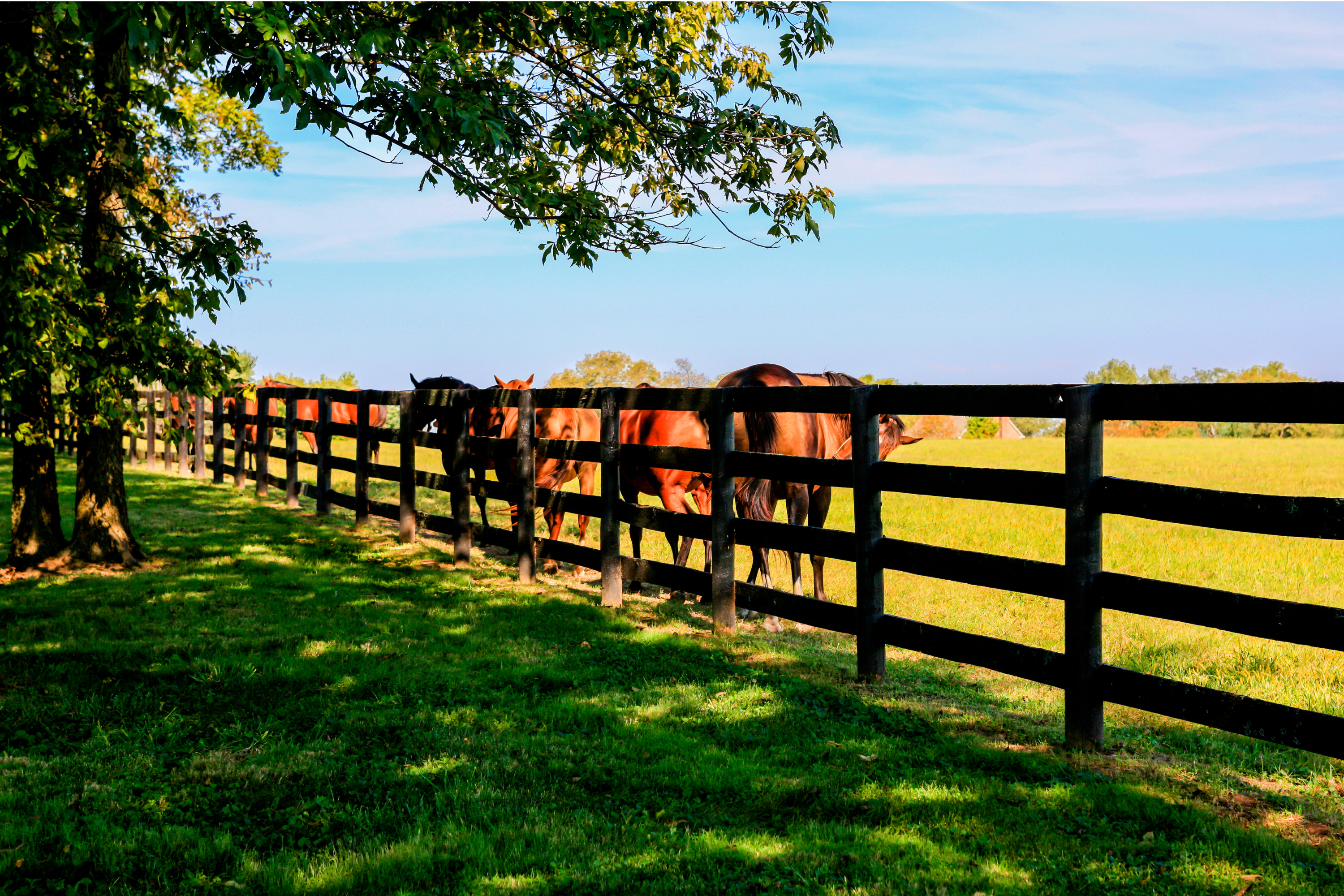
Board Fencing: A Classic, Safe, and Attractive Choice for Livestock
by Tiara Cooper
on Jul 18 2025
Board fencing—also known as post-and-board or plank fencing—is a traditional and timeless fencing option commonly used on horse farms, hobby farms, and rural properties. Its simple yet sturdy construction, consisting of wooden boards attached to wooden posts, provides a strong and highly visible barrier that’s especially well-suited for horses and other large animals.
What Is Board Fencing?
Board fencing typically uses 3 to 4 horizontal wooden boards (usually oak, pine, or treated lumber) nailed or screwed to vertical wooden posts spaced 8 feet apart. The boards may be arranged in a flat pattern or “cross-buck” style for a more decorative look. Paint or stain—most often white or black—is commonly applied to improve appearance and protect the wood from weathering.
Benefits of Board Fencing
-
Animal Safety: The wide, visible boards reduce the risk of animals running into the fence. It's especially favored for horses, as it provides a safe, non-shocking boundary.
-
Aesthetic Appeal: Board fencing adds a clean, orderly, and classic look to any property, enhancing curb appeal.
-
Customizable: Choose board height, spacing, and finishes to match your property’s needs and style.
-
Strong and Sturdy: Properly installed board fencing can last for many years, especially when made from treated or high-quality lumber.
Common Uses
-
Horse enclosures and paddocks
-
Front pasture fencing or driveways
-
Perimeter fencing for smaller farms
-
Mixed-use fencing with added wire mesh for smaller animals
Considerations Before Installing
-
Cost: Board fencing is more expensive than wire options due to lumber prices and labor.
-
Maintenance: Wood can warp, rot, or break over time, so regular inspection, repair, and painting or staining are needed to maintain its integrity and appearance.
-
Not Ideal for Small Animals: Without additional wire mesh, board fencing won’t contain smaller livestock like goats or poultry.
Pairing with Barn Owl Cameras
Board fencing provides a solid and straightforward surface for mounting Barn Owl cameras. You can easily attach a camera to a fence post or board to monitor gates, animals, or activity in the pasture. Whether you're watching a foaling pen or keeping an eye on property access, our cameras integrate seamlessly into board fencing systems.
Conclusion
Board fencing combines strength, safety, and traditional charm. It’s a top choice for horse owners and small farm operators who want a visually appealing and functional boundary. When paired with smart monitoring tools like Barn Owl cameras, it becomes an even more powerful part of your farm management system.
Next up: Temporary Fencing with Polywire or Polytape: Flexible, Affordable...
Share


